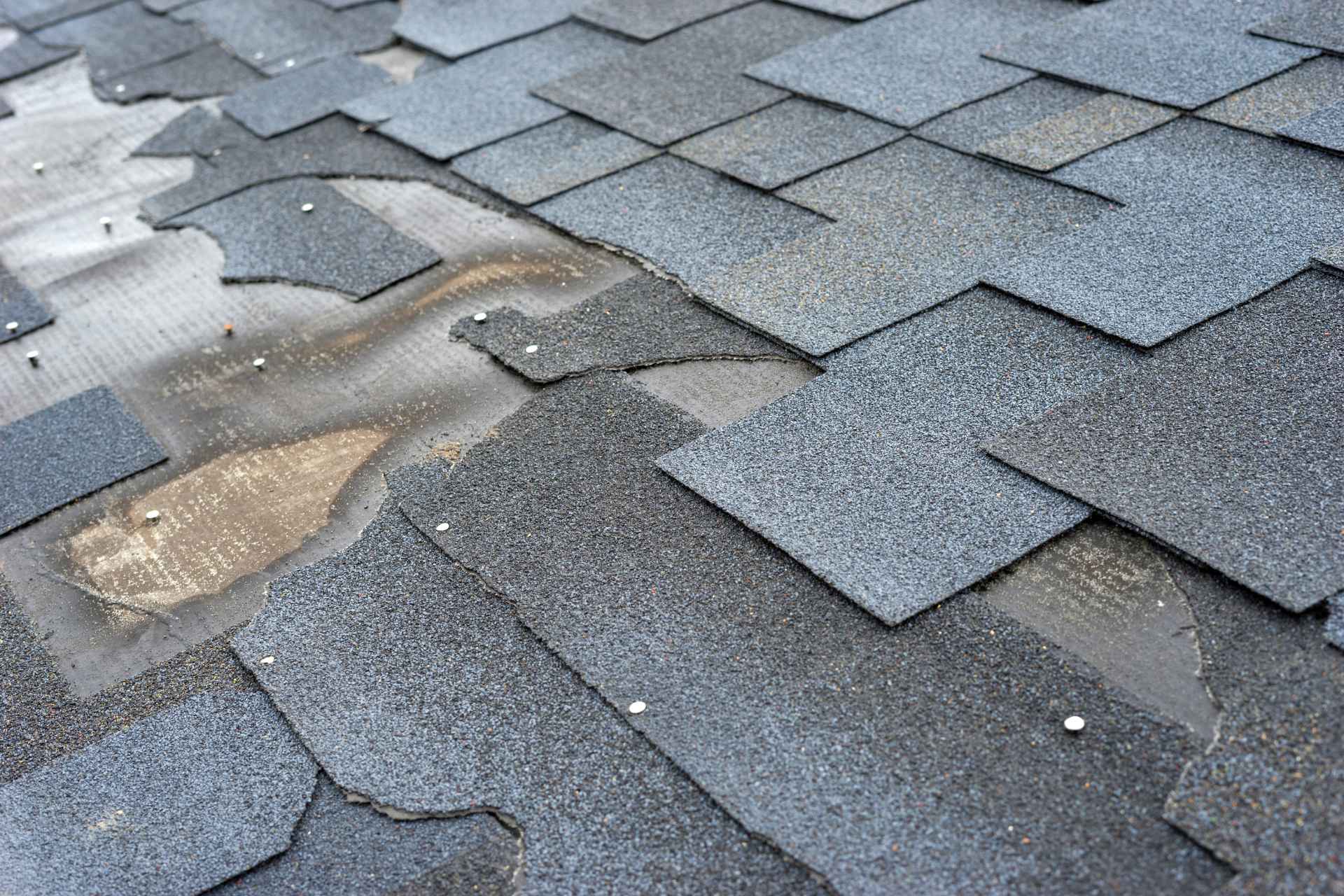
Water possesses a relentless ability to find the weakest point in any structure. Homeowners often treat a roof leak as a simple material failure, assuming that a few missing shingles are always to blame. In reality, the most destructive moisture penetration rarely starts on the open, flat expanses of your roof slope. It begins at the sharp angles, valleys, and wall intersections where different building materials collide and require specialized protective flashing. When you partner with an elite, certified roofing company, their primary focus is securing these high-stress transitions.
Protecting a building envelope requires looking at the home as an integrated system rather than an isolated collection of parts. Many property owners pour capital into a premium window replacement project to secure their vertical thermal envelope, only to leave their upper defences completely exposed. If the metal interfaces shielding your roof intersections are compromised, water will slowly bypass your shingles entirely. This silent moisture migration rots out your framing long before a single drop of water ever shows up on your living room ceiling.
The Quick Edit
- Capillary Moisture Paths: Weathered or improperly sealed metal transitions allow high-velocity water runoff to bypass primary shingle barriers through simple capillary draw.
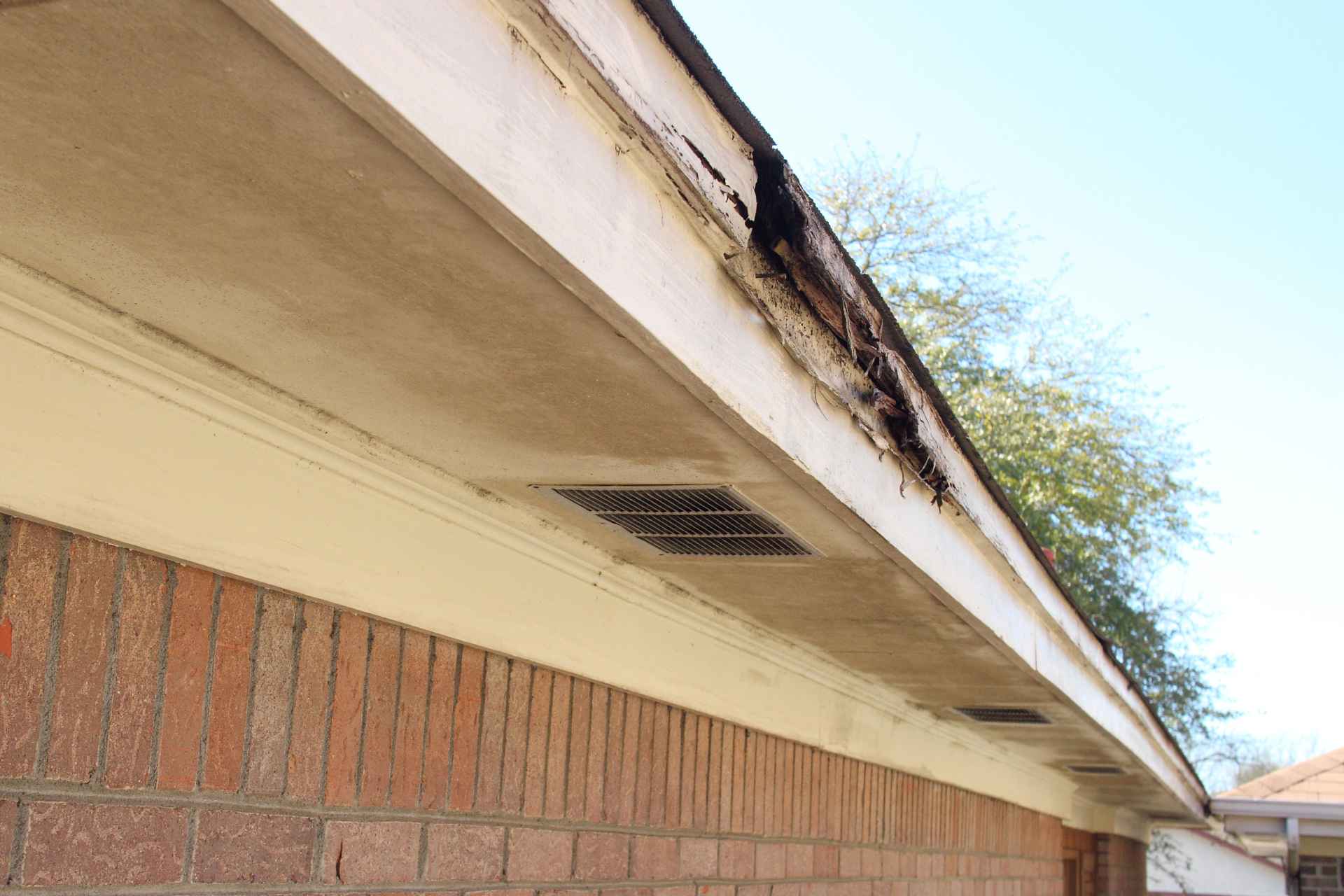
- Subsurface Rot Acceleration: Undetected leaks trap standing water directly against the wooden sheathing, triggering rapid structural rot and deep attic mould colonies.
- Proactive Structural Shielding: Repairing compromised metal junctions early eliminates the need for expensive whole-home structural remediation and framing overhauls.
The Critical Junctions: Engineering Vulnerabilities in Roof Intersections
Asphalt shingles do an incredible job of shedding water down open, continuous inclines. However, they are physically incapable of waterproofing sharp geometric changes on their own. Areas like chimney walls, dormer steps, valleys, and skylight perimeters represent massive disruptions in the roof’s plane. To protect these vulnerable pathways, crews install specialized metal barriers known as flashing to bridge the gaps.
Over a roof’s operational life, these metallic junctions are subjected to severe, non-stop environmental punishment. Every single day, intense sunlight heats the roof surface, followed by rapid cooling after sunset. Because metal and wood expand and contract at completely different physical rates, these thermal cycles place immense mechanical strain on the joints. When the underlying sealants harden and snap, it leaves a wide-open gateway for water molecules:
Once water slips past a separated metal lip, it enters a dark, unventilated airspace. Gravity immediately pulls the moisture downward along the rafters. Because this process happens entirely out of sight, it represents a severe long-term threat to the structural integrity of your building envelope.
The Mechanics of Failure: Profiles of Destructive Wear
Roofing systems rely on several highly specific types of flashing profiles. Each profile is engineered to divert water from a distinct architectural shape, and each breaks down in its own unique way.
Step Flashing Separations
Along vertical sidewalls, crews utilize step flashing cards. This technique weaves individual, L-shaped metal cards directly between successive courses of shingles. This creates a staggered waterproofing effect that forces water to step downward back onto the open roof slope. To maintain asset safety, these zones require inspection every 12 to 24 months. If an uncertified worker drives nails too close to the vertical bend, structural shifts will warp the metal cards. This warping lifts the shingles and allows driving rain to slip sideways directly into the wall cavity, leading to severe siding rot and localized sheathing delamination.
Counter-Flashing and Masonry Deterioration
Where a roof plane meets a brick chimney, a secondary layer of protection called counter-flashing is embedded directly into the mortar joints. Brick masonry is highly porous and absorbs large amounts of ambient humidity. During freezing winter weather, this trapped moisture expands violently inside the mortar. This intense freeze-thaw pressure forces the mortar to crumble, causing the heavy counter-flashing tabs to separate from the wall. Property owners should grind out old mortar and reset these tabs annually before the winter freeze. Leaving them unaddressed allows water to pour straight behind the shingles, resulting in discolored interior bricks, fireplace dampness, and major structural masonry cracking.
Advanced Drainage Breakdown: Valleys and Pipe Seals
High-traffic areas on your roof deck require consistent physical inspections. Water flow concentrates heavily in low-lying architectural drainage lines, making these areas particularly susceptible to premature degradation.
Valley Linings and Debris Dams
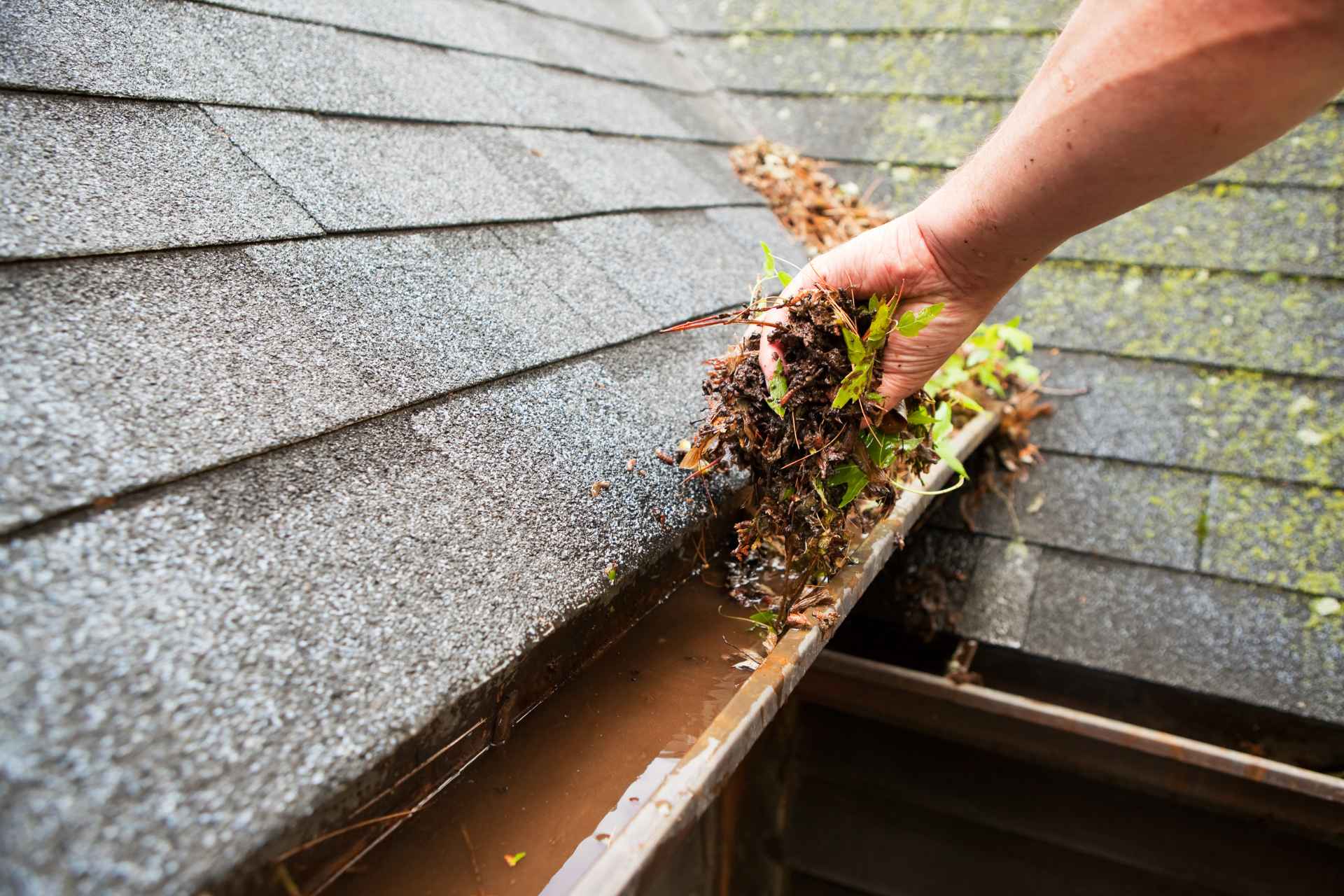
Roof valleys act as high-volume structural drainage channels during intense seasonal downpours, making their maintenance critical. If a valley features an open metal liner, windblown leaves, pine needles, and shingle grit easily accumulate along the boundaries. This organic material forms a dense, wet dam that holds moisture against the metal. Clear these debris dams and seal the metal seams at least twice per year in the spring and autumn. Neglecting this maintenance allows standing water to back up horizontally under the shingle edges, stripping granules, pooling at low edges, and creating widespread lower eave rot or ice dam paths.
Vent Boot Deterioration
A final, frequently overlooked vulnerability exists around plumbing vent pipes, which use specialized vent boots featuring a neoprene rubber collar. This rubber material faces non-stop solar radiation, causing the collar to split and crack every 2 to 3 years. When the seal fails, water tracks straight down the vertical vent pipes into your ceiling drywall. Replacing these collars regularly provides low-cost prevention against sudden interior drywall collapse and ruined attic insulation.
Cosmetic Cohesion: Visual Appeal Across Metals
Protecting your home from severe water intrusion does not require compromising its exterior design. Modern flashing metals are manufactured in an expansive array of factory-applied finishes. This wide availability allows property owners to colour-match their metal transitions perfectly to their chosen roof colour.
High-performance transition metals utilize advanced polyvinylidene fluoride (PVDF) resin coatings. These finishes are engineered to resist chemical chalking and fading caused by relentless solar radiation. Ensuring your valley lines, drip edges, and wall metals match your shingles creates a clean, continuous look across the home. This attention to detail preserves your property’s market value while offering heavy-duty structural defence.
Exposing the Quick Fix: Sealant Degradation Risks
When a flashing leak is discovered, many property owners attempt to resolve the issue using cheap, topical sealants. Hiring a cut-rate contractor to spread layers of thick roofing tar or exterior silicone over a compromised metal joint is one of the most common roofing issues seen in the field today.
While a thick layer of rubberized caulk might stop water during a minor sprinkle, it cannot survive long-term environmental exposure. Solar UV rays quickly bake the oils out of generic caulks, causing them to shrink, crack, and peel away from the smooth metal. Worse yet, these failing patches create a small lip that catches water, trapping moisture against the raw metal substrate and accelerating rust. Proper defence requires removing the old materials entirely and installing new, mechanically sound metal components.
Advanced Substrate Engineering: Next-Gen Defence Membranes
True property preservation requires moving past reactive maintenance and focusing on advanced sub-layer engineering. A premium shingle installation is only as secure as the waterproofing membranes directly beneath the metal components. Incorporating high-temperature, self-healing ice and water shields along all valleys, walls, and penetrations provides an essential secondary line of defence.
These specialized rubberized asphalt membranes are designed to stick directly to the clean wooden deck sheathing. When a fastener is driven through the flashing, the flexible membrane seals tightly around the nail shank, creating a completely airtight joint. If an extreme weather event forces water past a metal apron, the underlying self-healing layer prevents moisture from soaking into the wood, ensuring your framing stays completely dry. Implementing these advanced, expert roof leak repairs eliminates structural risks long before they can threaten your family’s comfort.
Deferred Upkeep Realities: Long-Term Financial Impact
It is incredibly easy to look at a minor flashing issue and decide to postpone the work until next season. However, deciding to delay replacing your roof or repairing its core metal barriers is a highly expensive mistake. Water does not pause its destructive path simply because a homeowner isn’t ready to deal with the project budget.
Every month that moisture enters your roof deck, the affected area grows larger. What begins as a simple metal replacement can quickly ruin your attic insulation, rot out your structural trusses, and require expensive toxic mould remediation. These secondary repairs cost significantly more than standard preventative roofing maintenance. Taking care of your metal transitions early is the smartest way to preserve your hard-earned home equity.
Halting the Progression of Subsurface Water Damage
When evaluating the overall health of your roofing asset, success is measured by how well you protect the hidden components beneath the shingles. A localized failure in your flashing profile may seem small, but it immediately breaks the continuity of your building envelope. Spreading temporary caulks or ignoring separated seams guarantees that gravity and seasonal weather shifts will drive moisture deep into your home’s structural framework. Safeguarding your capital requires shifting away from quick fixes and committing to precise, mechanical metal replacements. By intercepting transition leaks today, you halt a costly chain reaction of wood rot, protect your indoor air quality, and secure your property investment for the long haul.