Maintaining building performance requires protecting every square foot of your exterior envelope with durable impact-resistant roofing to handle harsh weather shifts. When building or renovating a property, coordinating overhead protection with interior design planning ensures long-term comfort and structural safety. For instance, property owners designing a basement entertainment area with a custom indoor golf simulator must ensure the overhead roof assembly is completely sealed against moisture leaks and freezing temperatures before installing delicate electronic sensors and projectors below.
Partnering with an experienced roofing company ensures your property receives tailored climate protection designed to survive harsh freeze-thaw cycles, high winds, and heavy winter loads. Understanding how impact-resistant roofing materials function during freezing months allows property owners to select durable materials that preserve structural integrity year-round.
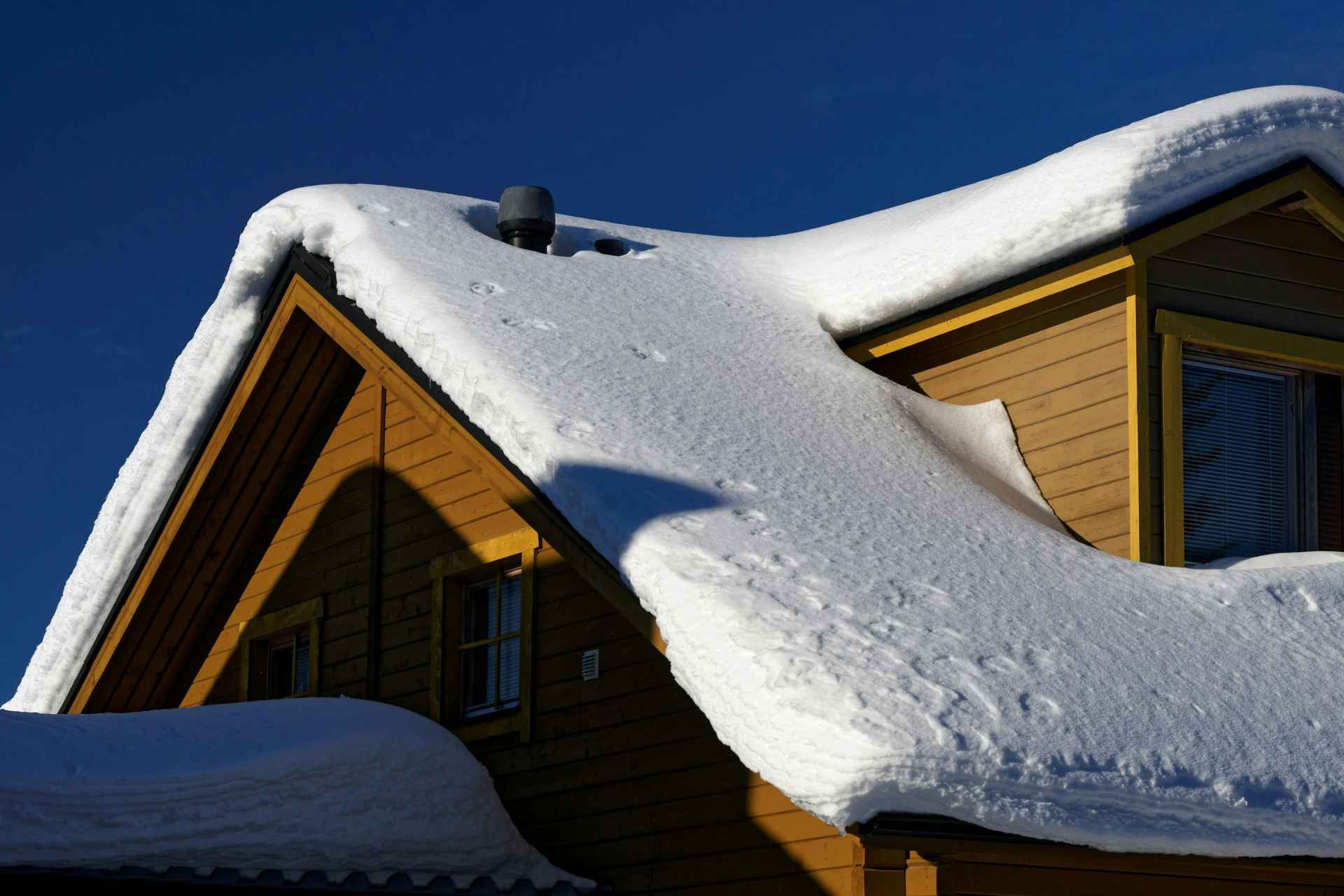
While most people associate impact-resistant roofing with summer hail storms, its greatest structural value often reveals itself during freezing winters. Cold weather alters the physical properties of traditional roofing materials, making them brittle and vulnerable to severe damage from falling ice, wind-blown debris, and heavy snow loads.
The Quick Edit
- Cold-Weather Vulnerability: Sub-zero temperatures cause standard asphalt shingles to stiffen and lose flexibility, making them prone to cracking under winter impacts.
- Deck Protection: Polymer-modified materials absorb heavy impacts from falling ice and snow, preventing subtle substrate micro-fissures from turning into active leaks.
- Long-Term Savings: Investing in Class 4 impact-resistant materials prevents winter water intrusion, lowers structural maintenance demands, and extends total roof service life.
The Science of Cold-Weather Material Brittle-Point
Standard roofing shingles rely on asphalt blends that maintain flexibility in mild and warm weather. However, as outdoor temperatures plunge below freezing, standard asphalt undergoes a physical change known as glass transition. During this phase, the bitumen core loses its elastic properties and turns stiff and brittle.
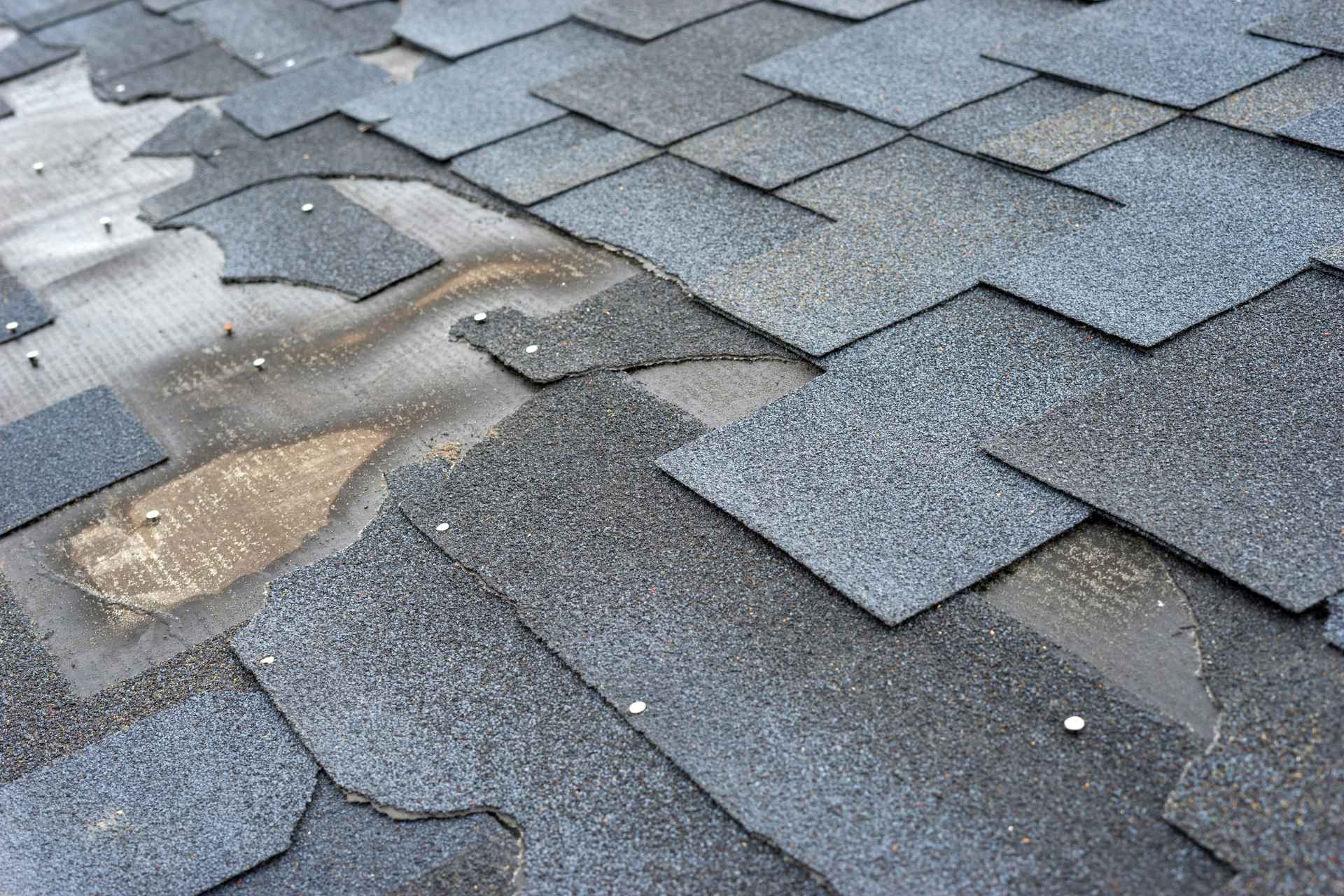
When a brittle shingle experiences physical impact—whether from falling tree branches, wind-driven ice pellets, or heavy chunks of snow sliding off upper roof planes—it cannot flex or absorb kinetic energy. Instead, the force transfers straight through the material, causing fine fractures across the surface.
These micro-cracks break the top granule layer and tear the internal fibreglass mat underneath. Once the inner mat fractures, moisture from melting snow creeps directly onto the wood decking below, setting off hidden wood rot and structural decay long before spring arrives.
Class 4 impact-resistant roofing materials solve this winter vulnerability through advanced material science. Modern impact-resistant shingles use SBS-modified asphalt, blending raw asphalt with synthetic rubber polymers. This flexible polymer matrix keeps the shingle pliable at sub-zero temperatures, allowing it to bend and absorb heavy winter impacts without cracking or splitting.
How Winter Micro-Fissures Cause Structural Deck Rot
When standard shingles crack under cold-weather impacts, the initial damage often goes unnoticed from the ground. Unlike major wind damage that rips away entire panel sections, winter impact fractures create tiny surface splits that remain hidden beneath snow cover.
As winter progresses, warm air inside your home rises toward the attic. This warms the roof deck and melts the bottom layer of accumulated snow. Water from this melting snow seeps directly into the microscopic cracks caused by cold-weather impacts.
When temperatures drop at night, this trapped water freezes and expands inside the micro-fissures. This repeated freezing and thawing expands tiny cracks into wider splits. Over time, these expanding cracks tear open direct moisture paths into your home.
Once moisture passes through fractured shingles and saturated underlayments, it pools directly on the wood decking below. Plywood and oriented strand board decking absorb standing water quickly, causing wood fibres to swell, delaminate, and rot. Over time, saturated wood decks sag under heavy snow, compromising the structural safety of your entire roof assembly.
Executing proper seasonal care and weatherproofing your roof before freezing temperatures arrive helps protect vulnerable seams, flashing points, and valleys from cold-weather moisture intrusion.
Evaluating Impact-Resistant Material Options
Selecting the right impact-resistant roofing system requires comparing performance attributes across different material categories. Property owners can choose from several Class 4 options to protect their building envelope.
SBS-modified asphalt shingles provide the appearance of traditional dimensional shingles while offering superior rubberized flexibility. They handle thermal shock well, retain surface granules during ice storms, and carry Class 4 impact ratings without requiring specialized installation tools.
Synthetic composite shingles, made from engineered polymers and recycled rubber, offer exceptional impact resistance and cold-weather durability. These lightweight panels mirror the natural look of slate or cedar shakes, resist freezing moisture absorption completely, and stay flexible in sub-zero weather.
Metal roofing panels, such as standing seam or heavy-gauge corrugated steel, deliver unmatched durability against falling ice, heavy snow loads, and wind-driven debris. High-tensile steel panels absorb impacts without splitting, providing an impenetrable barrier that sheds snow easily during winter thaws.
Taking time to explore material choices ensures you focus on choosing the perfect roofing material for your local climate conditions, structural design, and long-term property budget.
Protecting Roof Sheathing and Attic Insulation
Preventing winter roof deck damage requires looking at your entire building envelope rather than just the exterior shingles. A resilient impact-resistant outer cladding works together with underlying weather barriers, solid decking, and proper attic insulation to keep your home warm and dry.
When winter impacts split standard shingles, water leaks into the attic space and saturates loose-fill or batt insulation. Wet insulation loses its thermal resistance quickly, allowing heat to escape rapidly from your living space and driving up winter heating bills.
Furthermore, damp attic environments create ideal conditions for mould and mildew growth, which can spread into living areas and degrade indoor air quality.
By keeping the outer cladding intact throughout winter freezing cycles, Class 4 impact-resistant roofing keeps underlayment layers completely dry. This protects underlying wood sheathing, preserves insulation efficiency, and keeps attic spaces dry and healthy throughout freezing weather.
For property managers seeking long-term performance, getting expert advice on prolonging the roof’s lifespan helps establish proactive maintenance routines that identify subtle cold-weather wear before structural damage occurs.
Avoiding Mistakes That Lead to Early Roof Failure
Installing high-grade impact-resistant materials is a smart investment, but improper installation or neglecting underlying structural issues can undermine panel performance.
Using standard non-modified underlayments beneath rubberized shingles creates a weak link in your waterproofing system. Cold temperatures make low-grade underlayments brittle, causing them to tear around fastener holes during winter thermal shifts.
Ignoring proper attic ventilation is another common issue. Poor attic airflow traps warm, humid air beneath the roof deck, raising deck temperatures and creating ice dams along cold eave edges, regardless of how impact-resistant your exterior shingles are.
Skipping proper starter strips, using incorrect fastener lengths, or placing nails outside designated nailing zones will invalidate manufacturer warranties and leave your roof vulnerable to wind uplift during winter storms.
Addressing these technical details during installation prevents hidden installation errors that lead to premature roof failure, ensuring your roofing system delivers reliable protection over its entire service life.
Total Winter Protection for Capital Assets
Upgrading to Class 4 impact-resistant roofing does far more than protect your property against summer hailstorms. By staying flexible in sub-zero weather, rubberized impact-resistant shingles and heavy-gauge metal panels absorb cold-weather impacts from falling ice, snow, and wind-blown debris without cracking. Preventing cold-weather micro-fissures stops hidden freeze-thaw cycles, protects structural wood decking from rot, and preserves attic insulation efficiency. Investing in high-performance impact-resistant roofing preserves structural equity, lowers repair demands, and secures long-term asset value.