A roof is one of the most critical structural components of any home, serving as the first line of defense against severe weather, extreme temperature shifts, and moisture intrusion that leads to premature degradation. When buying or selling a home, an experienced real estate agent will often highlight a well-maintained overhead assembly as a major selling feature, knowing that a compromised shelter quickly turns into a deal-breaker for prospective buyers.
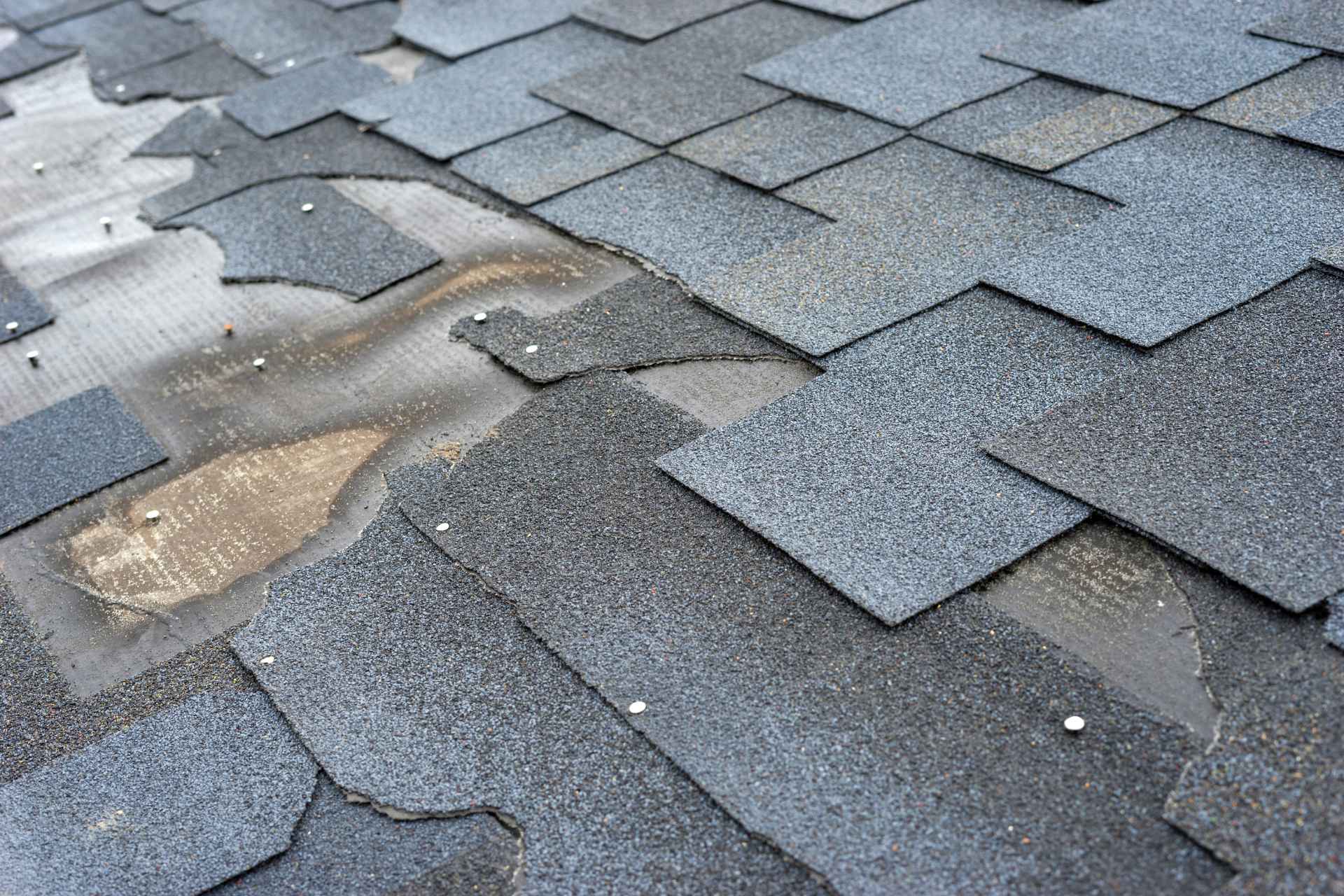
Partnering with a trusted roofing company ensures that your property receives regular inspections, high-grade materials, and precision installation techniques tailored to your local environment. While standard asphalt shingle roofs are designed to last two to three decades, many residential systems begin showing severe deterioration long before reaching their expected service life.
Understanding why overhead systems deteriorate prematurely empowers homeowners to take proactive steps, protect their financial investment, and keep their living spaces safe and dry.
The Quick Edit
- Systemic Failure: Roofs rarely fail from a single storm; early degradation usually stems from a combination of poor ventilation, improper installation, and skipped routine care.
- Component Synergy: A roof is an interconnected assembly where hidden failures in underlayments or flashing quickly destroy visible surface shingles.
- Proactive Defence: Establishing a bi-annual inspection routine and investing in resilient materials prevents minor defects from escalating into full system replacements.
Inadequate Attic Ventilation: The Heat and Moisture Trap
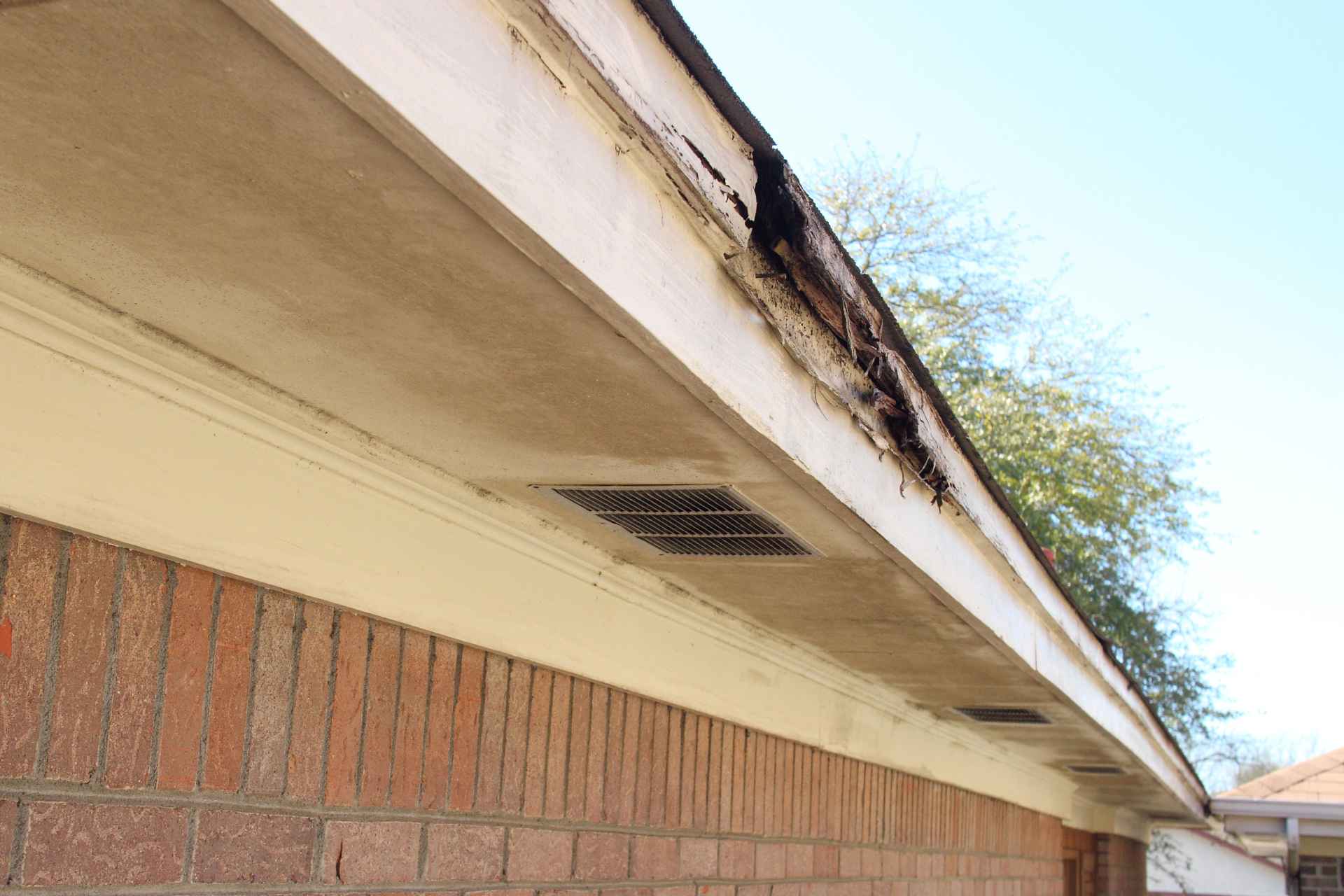
One of the primary drivers of early shingle failure sits hidden beneath the roof deck. It starts inside the attic. Proper attic ventilation requires a balanced airflow system. This system draws cool outdoor air through eave soffit vents. At the same time, it pushes warm, moist air out through ridge vents. When this air circulation is blocked or under-engineered, heat and humidity accumulate directly beneath the roof sheathing.
During hot summer months, trapped attic heat can raise temperatures above 60°C (140°F). This extreme heat bakes asphalt shingles from underneath. It causes the bitumen core to dry out, blister, and lose its essential oils. Over time, the surface granules loosen and wash away in the rain. This leaves the underlying fibreglass mat completely exposed to solar degradation.
In freezing winter weather, poor ventilation creates a different but equally destructive hazard. Warm air escapes from the living space and warms the underside of the roof deck. This heat melts the bottom layer of snow resting on the roof. As this water trickles down to the cold, unheated eaves, it freezes into heavy ice dams.
Ice dams trap standing water on top of the shingles. This forces moisture upward beneath the laps. The trapped water saturates the deck, causes wood rot, and creates ideal conditions for indoor mould growth.
Installation Flaws and Subpar Workmanship
Even premium, high-grade materials will fail prematurely if installed incorrectly. Workmanship errors represent a leading cause of early leaks and structural decay in residential neighbourhoods.
Incorrect fastener placement is a widespread installation flaw. Fasteners must be driven straight and positioned directly along the designated nailing strip. When nails are over-driven, they cut through the shingle mat, creating direct moisture paths. When nails are under-driven, the raised heads prevent the overlapping shingle from sealing properly, leaving the section vulnerable to wind uplift.
Skipping essential accessories to cut costs also leads to rapid degradation. Failing to install self-adhering ice and water shields along eaves, valleys, and rakes removes vital secondary waterproofing protection.
Similarly, reusing old, corroded metal flashings around chimneys, sidewalls, and vent pipes guarantees future leaks, as aged metal cannot form a watertight seal with fresh asphalt shingles.
Understanding the Integrated Roof Assembly
To prevent premature degradation issues, homeowners must recognize that a roof is not merely a single layer of shingles exposed to the sky. It is a multi-layered barrier system designed to direct water away from the structure.
A complete residential system consists of several vital components working in harmony:
- Structural Sheathing: The plywood or OSB deck that provides the flat foundation for all overhead layers.
- Ice and Water Shield: A rubberized, self-adhering membrane applied to high-risk leak zones like eaves, valleys, and pipe penetrations.
- Synthetic Underlayment: A water-resistant secondary barrier covering the entire deck to catch wind-driven rain that slips past exterior shingles.
- Starter Shingles: Specially designed adhesive strips placed along eave and rake edges to lock down perimeter shingles against strong winds.
- Primary Cladding: The visible asphalt shingles, metal panels, or composite tiles engineered to shed primary rainfall and reflect ultraviolet rays.
- Flashing and Ventilation: Custom metal details and vent openings that seal joints and balance indoor airflow.
Understanding the different layers of the roof helps homeowners appreciate why every component—from hidden underlayments to perimeter flashings—must be in peak condition to prevent moisture intrusion.
When one component is neglected, the entire barrier system suffers, leading directly to the onset of common roofing issues like curling shingles, interior drywall stains, and rotted structural decking.
Material Selection and Environmental Compatibility
Choosing the wrong material for your local environment severely shortens an overhead system’s service life. Standard three-tab shingles, for example, offer lower wind resistance and are easily torn away in regions prone to heavy autumn gales or severe summer thunderstorms.
For homeowners living in severe storm zones, upgrading to high-durability impact-resistant roofing provides a rubberized, polymer-modified barrier that absorbs heavy hail strikes and resists cold-weather cracking.
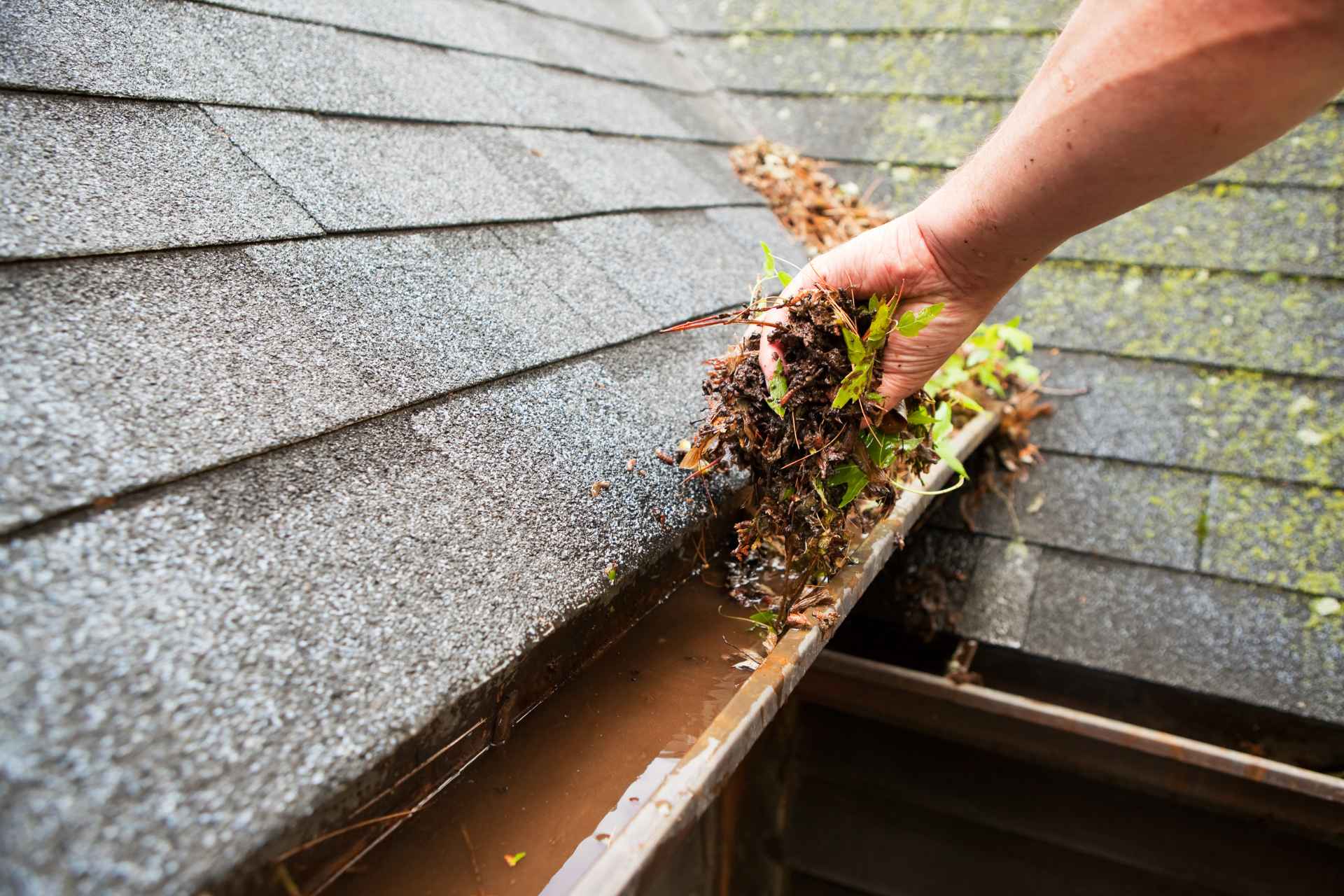
Environmental factors like overhanging tree branches and chronic shade also contribute to physical degradation. Overhanging limbs drop organic debris into valleys, trapping moisture against the shingle surface and accelerating granule loss.
Shaded roof planes remain damp for extended periods, creating ideal breeding grounds for moss and algae. Moss roots penetrate beneath shingle edges, lifting the laps and allowing wind-driven rain to reach the bare wood deck below.
Establishing a Proactive Maintenance Routine
Preventing early failure requires moving away from reactive repairs and adopting a strategy of consistent, proactive care. Waiting for a ceiling stain to appear means water has already penetrated multiple protective layers and saturated structural framing.
Homeowners should perform a thorough visual inspection twice a year—once in spring following snowmelt and once in late fall before freezing weather sets in.
Essential maintenance tasks include:
- Clearing leaves, pine needles, and organic debris from valleys and gutters to ensure uninterrupted water drainage.
- Trimming overhanging tree branches back at least six feet from the roof plane to allow sunlight to dry the shingles and prevent physical branch scraping.
- Inspecting rubber pipe boots and flashing seals around chimneys and skylights for cracks or separation.
- Checking the attic space during heavy rain for signs of damp insulation, localized daylight leaking through sheathing, or poor air movement.
Recognizing that proper roof maintenance prolongs the roof’s lifespan allows homeowners to catch micro-defects early, address minor seal failures, and avoid paying tens of thousands of dollars for premature full replacements.
Protecting Your Home from the Top Down
A residential roof should deliver reliable protection for decades without unexpected structural failures. Homeowners can eliminate the primary drivers of premature degradation and failure. They simply need to address attic ventilation requirements and ensure expert installation practices. Choosing climate-appropriate materials and maintaining an active seasonal inspection routine are also vital. Taking care of your overhead assembly preserves structural equity. It lowers lifetime home maintenance costs and keeps your property safe and comfortable for years to come.