A successful capital upgrade on a home’s exterior envelope requires looking past basic surface-level choices. Property owners spend considerable time coordinating exterior palettes like the siding or roof colour, but true real estate resilience depends on structural engineering tolerances. Partnering with a certified roofing company ensures your material selection functions optimally against severe climate shifts.
Achieving high architectural performance requires analyzing how your home’s various exterior layers interact. For instance, consulting a knowledgeable real estate agent before remodelling highlights how colour harmony preserves long-term market equity. However, colour choice is not purely cosmetic. Pairing a poorly planned roof tone with a premium window replacement or an advanced insulation upgrade can completely undermine your home’s climate seal.
- The Quick Edit
- Thermal Performance: How Solar Reflectance Shapes Your Utility Bills
- Architectural Harmony: Balancing Visual Weight with Structural Accents
- The Hidden Degradation Factor: Thermal Stress on Subsurface Elements
- Systemic Vulnerabilities: Why Precision Engineering Matters Across Transitions
- The Ventilation Variable: How Airflow Interacts with Shingle Dynamics
- Regional Climate Realities: Choosing Tones for the Canadian Environment
- Engineering Long-Term Equity with Engineered Substrates
- Maximizing Asset Protection Through Smart Science
The Quick Edit
- Thermal Albedo Mechanics: Lighter roof colours reflect high levels of solar radiation, directly lowering attic temperatures and decreasing summer cooling loads.
- Aesthetic Integration: Harmonizing shingle tones with your existing siding and architectural masonry prevents visual conflict and enhances structural property value.
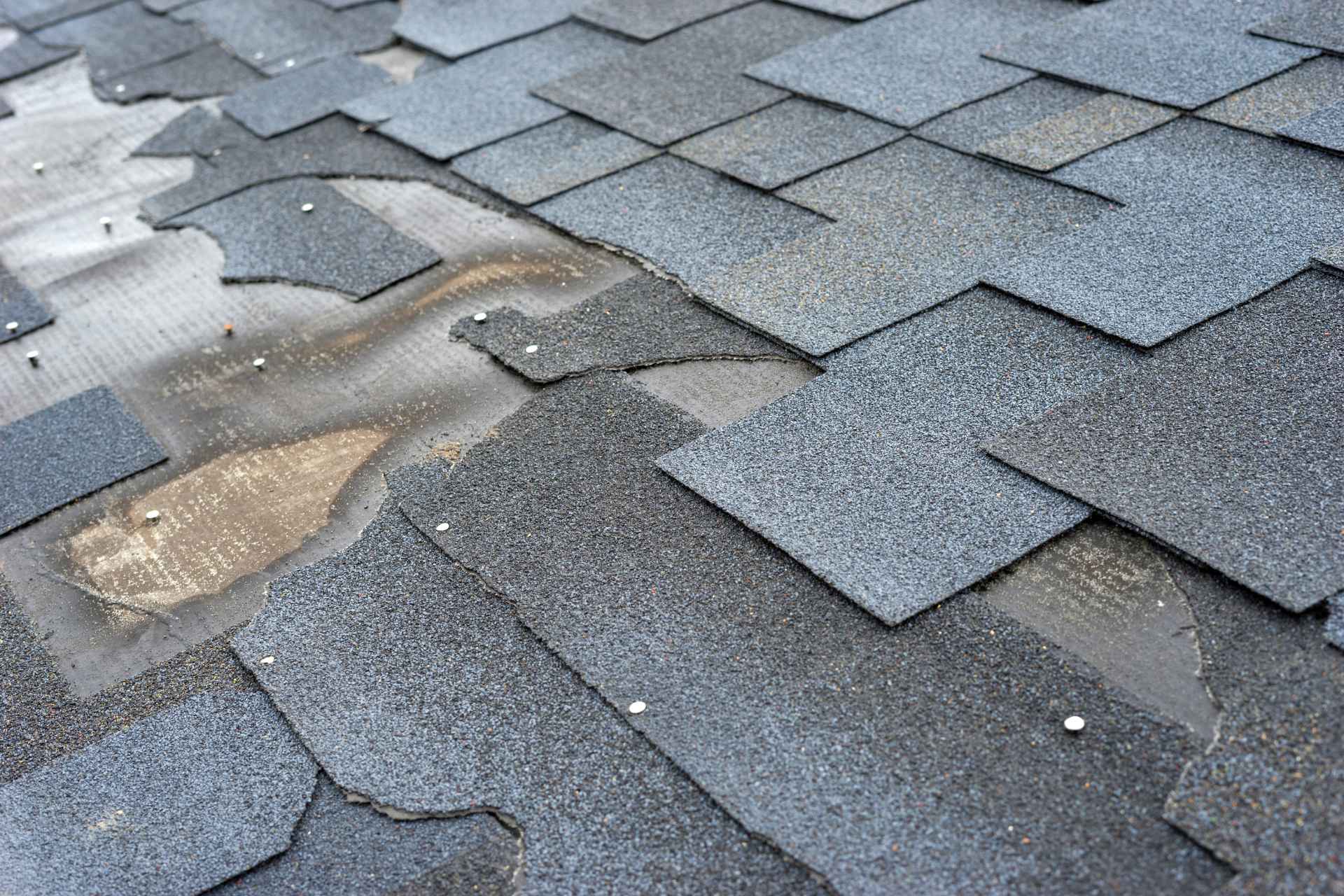
- Accelerated Degradation: Darker roofs absorb intense thermal energy, exposing shingles to premature aging and physical warping under constant UV stress.
Thermal Performance: How Solar Reflectance Shapes Your Utility Bills
The physics of colour choice heavily dictate the microclimate inside your attic space. When solar radiation strikes an asphalt shingle surface, the material either reflects the energy or absorbs it as sensible heat. Darker materials possess a low Solar Reflectance Index (SRI), meaning they absorb up to 90% of incoming solar energy.
This intense absorption creates a continuous thermal transmission path into the home. The heat migrates downward, saturating the attic framing and radiating into the living spaces below. This structural heat transfer forces your air conditioner to run longer, more frequent cycles to maintain thermostat targets:
Opting for highly reflective lighter tones or specialized cool-roof granules alters this dynamic entirely. Reflecting solar energy before it penetrates the roof layers keeps attic spaces significantly cooler. This proactive thermodynamic defence reduces your summer cooling demands and protects your HVAC equipment from early mechanical wear.
Architectural Harmony: Balancing Visual Weight with Structural Accents
While thermodynamic functionality preserves your wallet, visual composition preserves your home’s curb appeal. The roof represents up to 40% of your home’s visible exterior footprint. Choosing a shade without evaluating your primary siding material can create an unbalanced, top-heavy appearance that detracts from the property’s design.
Modern exterior design relies on balanced contrast to establish a clear architectural focus. Homes featuring warm, natural brick or stone masonry benefit from deep charcoal, soft brown, or weathered wood shingle profiles. Conversely, properties with crisp white, light grey, or cool blue siding are beautifully complemented by slate grey or dark zinc finishes. Establishing this clean visual hierarchy elevates your home’s presence without clashing with the neighbourhood aesthetic.
The Hidden Degradation Factor: Thermal Stress on Subsurface Elements
Selecting an incorrect roofing tone does more than inflate your monthly power bills. It accelerates the physical breakdown of your entire upper defence shield. Darker roofs frequently reach surface temperatures exceeding 70°C on hot summer afternoons. This extreme heat alters the chemical stability of the underlying polymer matrices within your roofing system.
Continuous thermal cycling causes materials to expand and contract aggressively every single day. This movement places immense mechanical stress on your modern roofing underlayments, leading to premature drying, cracking, and brittleness. Over time, this localized heat exposure compromises the secondary water barrier, leaving your wooden deck vulnerable to slow moisture leaks.
| Roof Tone Category | Average SRI Range | Attic Heat Transfer Impact | Structural Lifespan Threat |
|
Deep Charcoal / Black
|
0 to 15 | High thermal transmission; increases cooling load. | High risk of thermal shock and premature granule shedding. |
|
Medium Greys / Browns
|
16 to 35 | Moderate heat retention; requires balanced ventilation. | Standard degradation curve; depends on UV protection quality. |
|
Light Tan / Cool Grey
|
Greater than 36 | Low heat retention; reflects majority of solar energy. | Low thermal stress; extends underlying material stability. |
|
Reflective Eco-Coatings
|
Greater than 60 | Minimal thermal footprint; optimizes home energy envelope. | Lowest risk of heat-driven structural deformation. |
Systemic Vulnerabilities: Why Precision Engineering Matters Across Transitions
No matter how efficient your colour choice is, a roof will fail if its transition points are neglected. When uncertified crews rush an installation, they often ignore the critical metal flashings around valleys, chimneys, and dormers. Overlooking these high-risk areas introduces immediate moisture paths into your underlying sheathing.
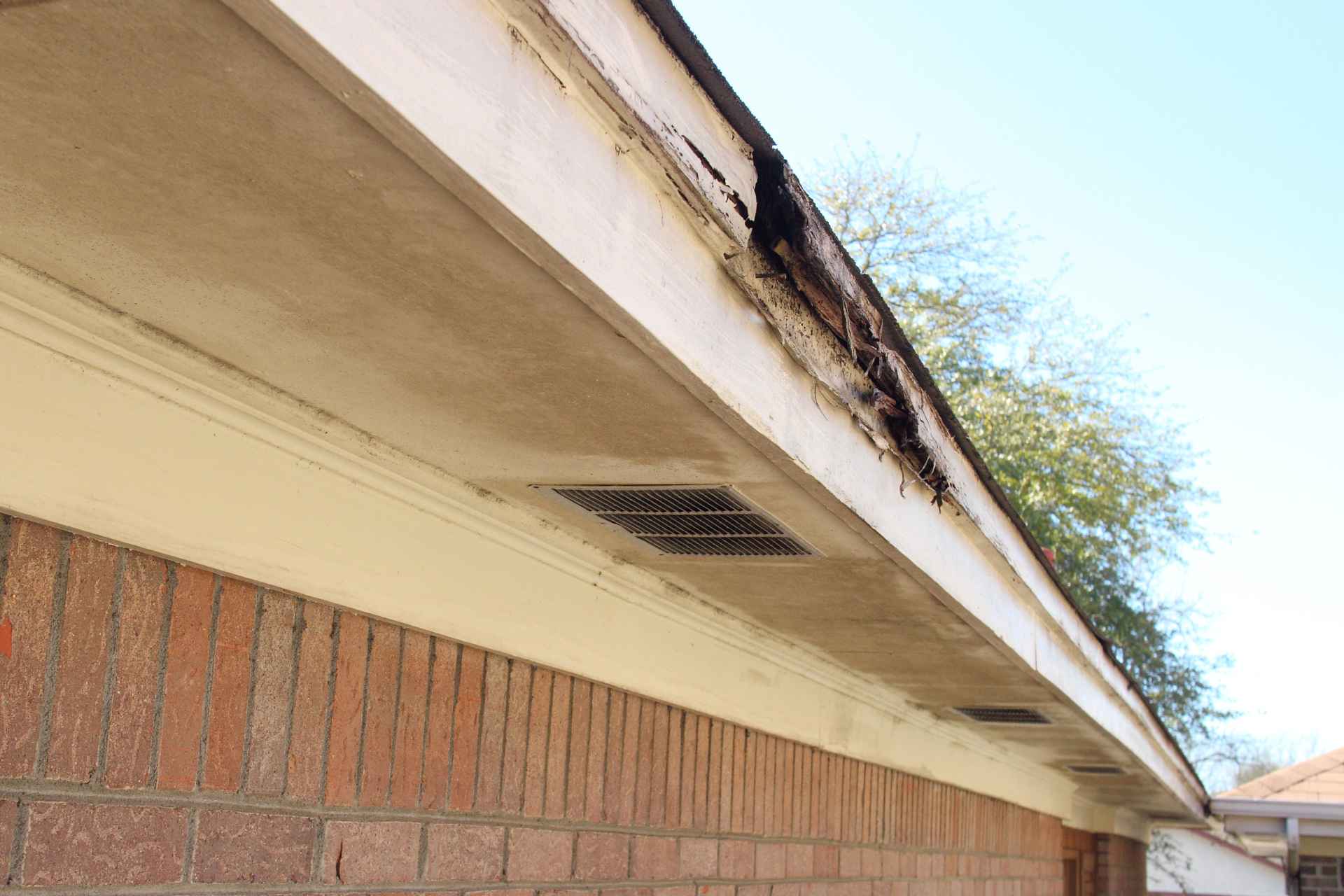
Leaving damaged, rusted, or failing flashing intact completely invalidates the performance of your new shingles. As the roof expands and contracts under daily thermal shifts, compromised metals pull away from the walls, creating open gaps for driving rain. Ensuring that every transition metal is custom-cut and mechanically sealed is an essential step in protecting your property capital.
The Ventilation Variable: How Airflow Interacts with Shingle Dynamics
The colour of your shingles doesn’t operate in a vacuum. Its thermal performance is deeply tied to the efficiency of the attic ventilation system beneath the roof deck. Even a highly reflective, light-tinted roof will fail to lower your cooling costs if your intake and exhaust vents are structurally blocked or poorly calculated.
A properly balanced ventilation system utilizes passive airflow to continuously flush out the ambient heat absorbed by the roof surface. Air enters through the cool soffit vents at the eaves, travels upward along the underside of the roof deck, and escapes through the high ridge vents. If this continuous circuit is restricted, heat builds up within the layers of the roof, turning your attic into a giant thermal battery that bleeds energy into your home long after the sun goes down.
Regional Climate Realities: Choosing Tones for the Canadian Environment
In severe northern climates, selecting a roof colour requires balancing the intense heat of summer against the freezing conditions of winter. While lighter, high-SRI shingles provide massive financial savings during hot July afternoons, they do not offer winter heating benefits. Conversely, dark roofs can accelerate snow melt on bright winter days, but this minor winter thermal gain is usually offset by the extreme cooling loads they create during humid summer heatwaves.
Property owners must evaluate their specific local microclimate before committing to a final material colour palette. For example, homes located in wide-open, unshaded prairie environments face intense afternoon solar radiance and benefit significantly from lighter, heat-mitigating tones. Meanwhile, properties tucked inside heavy, damp forest canopies are prone to moisture retention and moss growth, making specialized dark, algae-resistant finishes a much more practical choice for long-term preservation.
Engineering Long-Term Equity with Engineered Substrates
Maximizing your capital investment requires moving away from generic, one-size-fits-all material packages. Every home features a unique geographic orientation, tree canopy coverage, and localized wind exposure profile. Savvy property owners invest in customized roofing solutions that address these specific environmental variables.
Modern manufacturing offers advanced shingles engineered with specialized algae-resistant granules and UV-blocking polymers. These innovations ensure that whether you choose a striking dark slate or a highly reflective desert tan, your roof maintains its colour brilliance without fading or staining. Prioritizing master-level material selection guarantees a durable, high-performance home envelope that stands the test of time.
Maximizing Asset Protection Through Smart Science
A permanent roof upgrade is a premium structural investment that delivers ultimate climate security, energy efficiency, and lifetime beauty. Total project value is never determined by aesthetics alone. It is driven by solar physics, material gauge stability, and precision installation standards. By refusing to compromise on coating chemistry, balancing your insulation profiles, and selecting a colour that actively mitigates daily heat absorption, you protect your home equity. Prioritizing smart engineering over cheap short-term choices ensures your real estate asset remains beautifully defended for decades to come.