Many homeowners postpone roof replacement because the damage does not appear urgent. If shingles are still attached and leaks are not obvious, it can feel financially responsible to wait. However, a professional roofing company understands that roofing systems often deteriorate from the inside out. What looks stable on the surface may already be weakening beneath the shingles. Delaying replacement decisions can quietly increase structural and financial risk.
During a home sale, even a real estate agent may flag roofing concerns as a potential obstacle to closing. Buyers are cautious when a roof shows signs of aging, especially if inspection reports suggest underlying issues. What begins as minor wear can evolve into more serious structural stress over time. Understanding the consequences of postponing replacement helps property owners avoid larger setbacks later. Acting early often protects both property value and long-term safety.
Why Homeowners Delay Roof Replacement
One of the main reasons homeowners delay roof replacement is cost perception. Replacing a roof is a significant investment, and if there are no visible leaks, it can feel unnecessary. Many assume that as long as shingles remain intact, the structure beneath must also be sound. Temporary patchwork and minor repairs often create a false sense of security. This mindset can lead to postponing important structural decisions.
Another common factor is underestimating how quickly deterioration progresses. Homeowners may believe they can wait another season or two without consequence. However, exposure to changing weather conditions gradually weakens materials year after year. What begins as minor surface wear can develop into deeper vulnerabilities. Without proper evaluation from a professional roof inspector, small warning signs may go unnoticed until larger damage appears.
How Small Roofing Problems Escalate Over Time
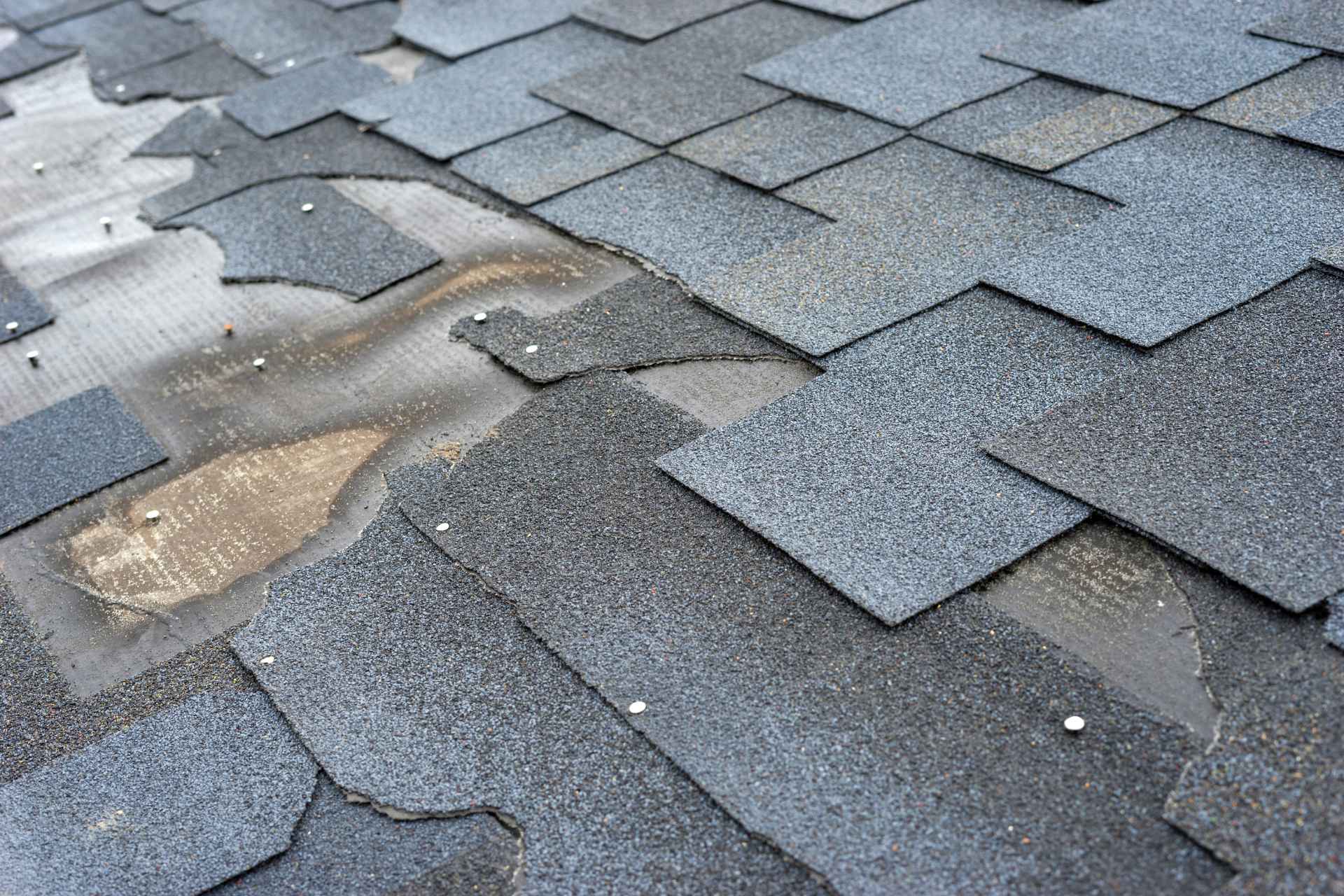
Minor damage often begins with small cracks, lifted shingles, or weakened flashing. These issues may not immediately allow significant water intrusion, but they create entry points over time. Once moisture begins penetrating the protective layers, deterioration accelerates beneath the surface. The longer exposure continues, the more structural components are affected. This is why small roof issues can quickly turn into costly repairs when left unaddressed.
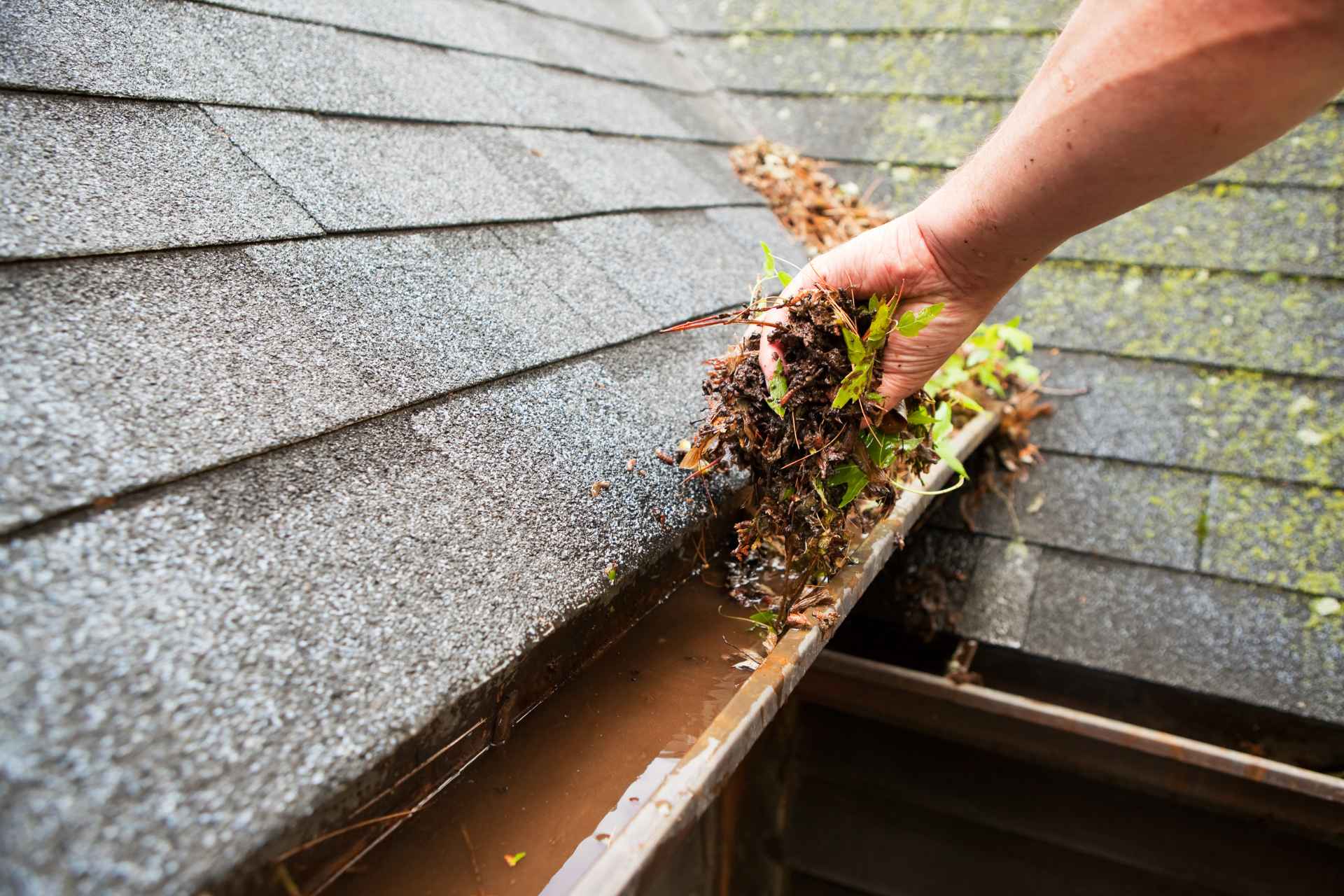
As moisture seeps into the decking, it can soften wood and weaken structural integrity. Insulation may lose effectiveness, and hidden mould growth can develop in damp areas. Repeated exposure to rain and freeze-thaw cycles compounds the damage. What initially required simple maintenance can eventually necessitate extensive roof leak repairs or full structural correction. Addressing small concerns early prevents them from escalating into major renovation projects.
Structural Risks of Prolonged Roof Deterioration
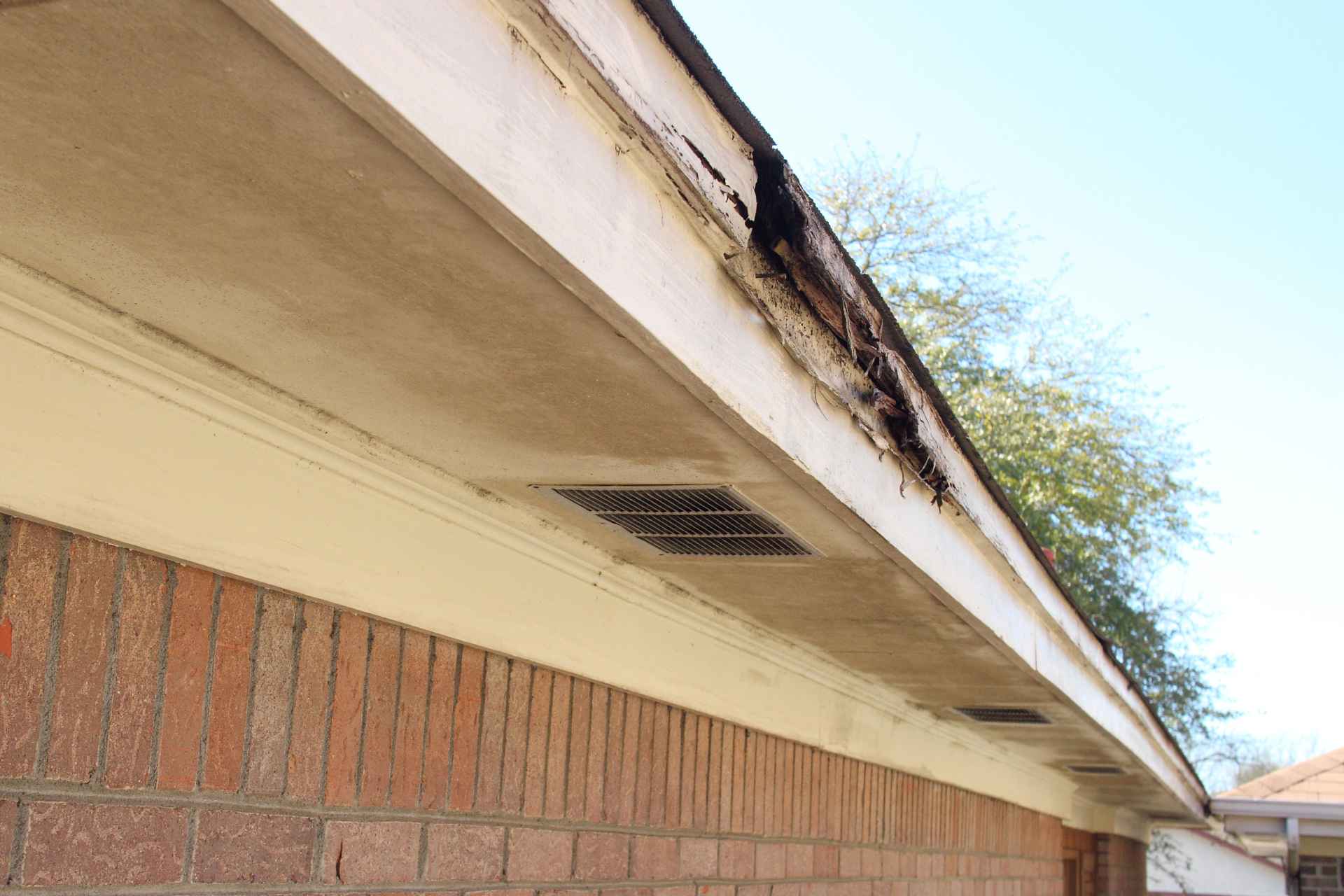
When roof deterioration continues unchecked, the structural framework begins to absorb the impact. Moisture intrusion can lead to gradual deck rot, weakening the layer that supports shingles and underlayment. Over time, this softening reduces the roof’s ability to distribute weight evenly. In colder climates, the added pressure from heavy snow loads can intensify stress on already compromised areas. What might have been manageable wear can evolve into structural sagging or deformation.
As structural components weaken, the risk extends beyond the roof itself. Prolonged water exposure can migrate downward into walls and ceilings, affecting insulation and interior finishes. If moisture reaches foundational elements, secondary structural issues may develop. The longer replacement is postponed, the more widespread the impact becomes. Addressing deterioration early helps prevent compounded structural strain and escalating repair complexity.
Financial Consequences of Delaying Replacement
Delaying roof replacement often appears to save money in the short term, but the long-term financial impact can be significant. Minor deterioration that could have been addressed early may expand into broader structural repairs. Interior water damage to ceilings, drywall, and flooring increases restoration costs beyond the roofing system itself. Repeated patching and temporary fixes gradually accumulate expenses. Over time, the total cost of repairs may exceed what a timely replacement would have required.
Insurance complications can also arise when roofing damage is prolonged. Some policies limit coverage if deterioration is considered preventable neglect rather than sudden damage. Emergency service calls during storms typically cost more than planned replacements scheduled in advance. Additionally, buyers may negotiate aggressively when visible roof aging is present. Proactive replacement helps maintain predictable costs and reduces financial uncertainty.
How Delay Affects Energy Efficiency
An aging roof does more than compromise structural integrity; it can also reduce overall energy performance. As shingles deteriorate and underlayment weakens, insulation effectiveness may decline. Gaps and subtle openings allow conditioned air to escape during winter and hot air to enter during summer. Over time, heating and cooling systems must work harder to maintain indoor comfort. This increased strain can contribute to rising utility costs.
Ventilation systems are also affected when roofing components deteriorate. Blocked or damaged ventilation pathways disrupt proper airflow in the attic space. Poor airflow contributes to uneven temperature distribution, which accelerates material wear and moisture buildup. Gradual energy loss may go unnoticed at first but compounds season after season. Replacing an aging roof restores proper sealing and ventilation performance.
When Repair Is No Longer Enough
There comes a point when repeated repairs no longer provide lasting protection. If shingles are curling, cracking, or losing granules across large areas, the roofing system may be nearing the end of its functional lifespan. Persistent patchwork can temporarily slow deterioration, but it does not restore full structural integrity. When leaks reappear despite prior fixes, underlying materials may already be compromised. At this stage, continued delay increases the likelihood of widespread damage.
A thorough evaluation can determine whether targeted repair remains viable. However, when deterioration is extensive, replacement becomes the more practical and protective solution. Waiting too long can result in structural strain that affects decking and support systems. Proactive replacement prevents compounded interior damage and escalating repair costs. Acting at the right time preserves both structural performance and long-term property value.
Delay Costs More Than Replacement
Postponing roof replacement may seem financially cautious, but long-term consequences often outweigh short-term savings. Small issues compound gradually, affecting structural integrity, energy efficiency, and overall property value. Weather exposure, moisture intrusion, and added seasonal stress can accelerate deterioration beyond visible damage. Addressing roofing concerns early reduces repair stacking and financial uncertainty. Replacing an aging roof at the appropriate time protects both structural stability and long-term investment.