Heavy Canadian winters bring significant snowfall that affects both homes and commercial buildings alike. While snow accumulation may appear harmless from the ground, the weight it places on a roof can create long-term structural stress. A professional roofing company understands that snow load is not just a short-term seasonal concern but a cumulative force that impacts roofing systems year after year. During property transactions, even a real estate lawyer may encounter disputes or delays tied to undisclosed structural concerns related to roof condition. Both residential and commercial structures must withstand repeated cycles of accumulation, thawing, and refreezing.
Snow load does not usually cause immediate collapse, which is why it is often underestimated. Instead, the stress builds gradually across multiple winters, compounding small weaknesses in framing, decking, and fasteners. What begins as a minor strain can evolve into larger structural concerns if ignored. Understanding the long-term effects of winter weight helps property owners make informed maintenance decisions. Preventative awareness reduces the likelihood of more serious structural complications later.
- What Is Snow Load and Why It Matters for Any Roof
- How Snow Load Affects Roofing Structures Over Time
- The Hidden Risks of Uneven Snow Accumulation
- Warning Signs of Snow Load Stress
- Why Roof Age and Condition Matter in Snow Resistance
- Preventative Measures for Residential and Commercial Roofing
- Winter Weight Leaves Long-Term Consequences
What Is Snow Load and Why It Matters for Any Roof
Snow load refers to the weight of accumulated snow pressing down on a roof surface over time. It is typically measured in pounds per square foot and varies depending on the snow’s density and moisture content. Wet, compacted snow is significantly heavier than light, powdery snowfall and creates far more structural pressure. When multiple storms occur close together, layers build up and increase the total load. This repeated accumulation gradually contributes to hidden roofing issues that may not be visible from the ground.
Both sloped residential roofs and flat commercial roofing systems respond differently to snow weight. Sloped designs shed snow more efficiently, but valleys and roof edges can still collect heavy drifts. Flat commercial roofs may retain snow longer, especially if drainage systems are partially obstructed. Uneven distribution of weight places concentrated stress on specific structural points. Over time, this sustained pressure can weaken framing components and reduce overall structural resilience.
How Snow Load Affects Roofing Structures Over Time
Snow load places continuous downward pressure on a roof’s structural framework. In residential properties, rafters and trusses bear most of this weight, and repeated strain can gradually reduce their structural strength. In commercial buildings, flat roof decking and support beams may experience prolonged load without natural shedding. Over multiple winters, even properly built systems can develop minor deflection or subtle sagging. These changes may not be obvious immediately but can compound year after year.
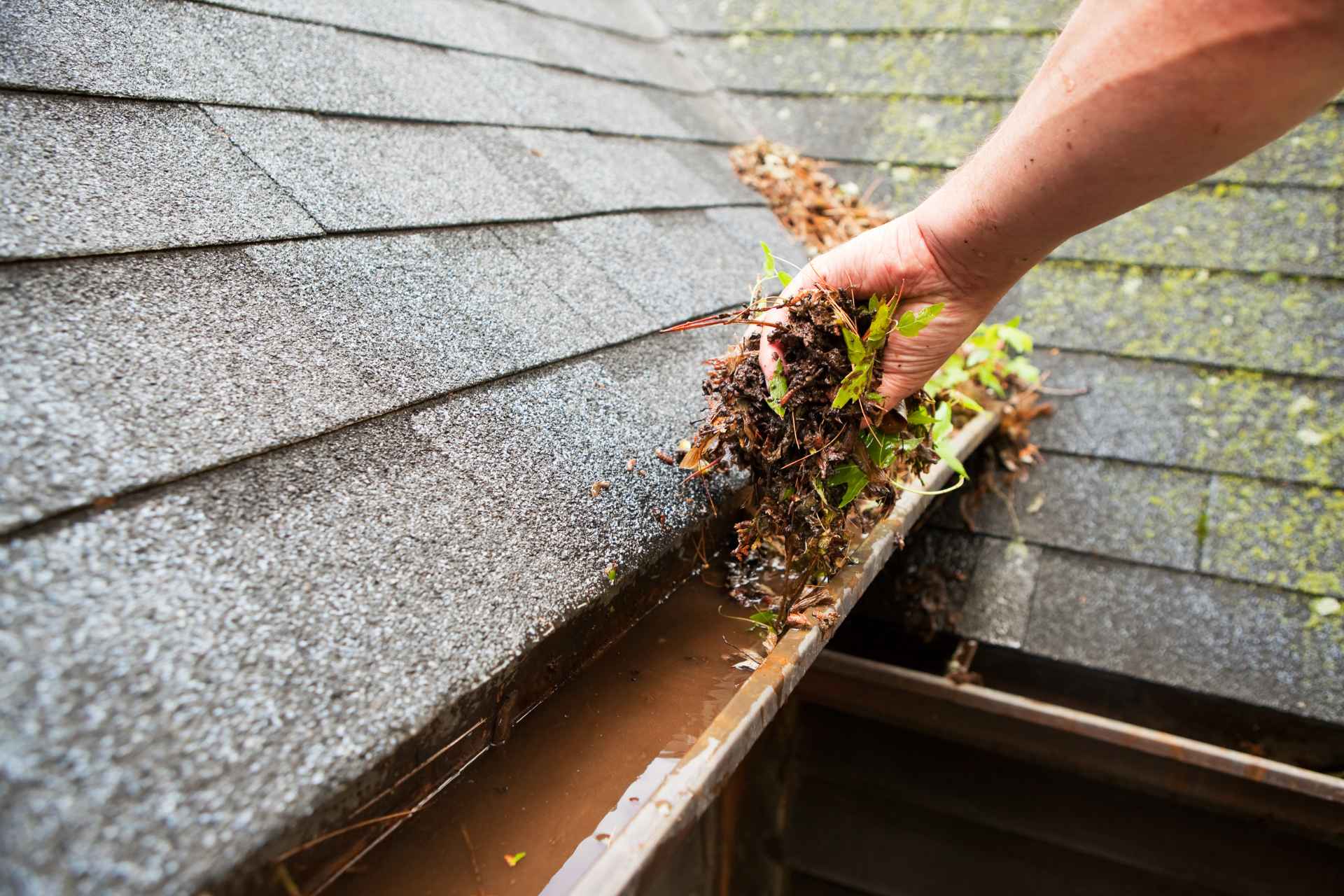
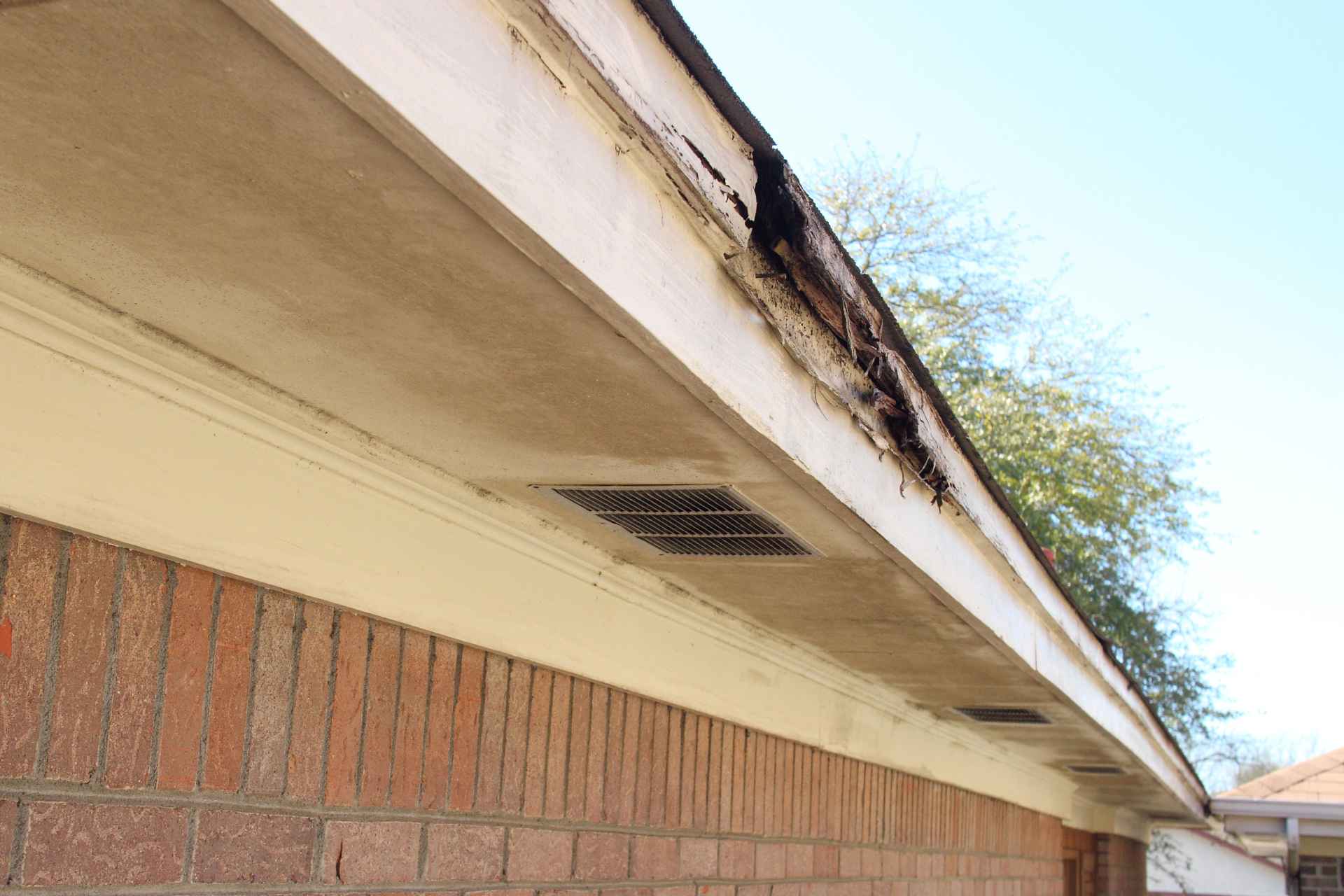
As structural stress increases, small vulnerabilities begin to form. Fasteners may loosen slightly, decking materials can flex, and protective layers may weaken under freeze-thaw cycles. When melting begins, trapped moisture can infiltrate compromised areas, and water damage affects both the roof and the foundation if drainage is insufficient. What initially appears to be surface stress can eventually impact deeper structural components. Monitoring winter performance helps prevent long-term deterioration from escalating.
The Hidden Risks of Uneven Snow Accumulation
Snow rarely settles evenly across a roof surface. Wind patterns often create drifts that concentrate weight in specific areas, such as roof valleys, corners, or near parapet walls on commercial buildings. These concentrated loads increase localized structural stress beyond what the rest of the roof may be experiencing. On residential roofs, valleys are especially vulnerable because they naturally collect runoff and snow buildup. Over time, uneven pressure contributes to distortion and gradual structural imbalance.
Uneven accumulation also increases the likelihood of ice dams forming along roof edges. When warm air escapes through the attic, it melts snow higher up on the roof, and the water refreezes at colder edges. This cycle traps moisture beneath shingles and flashing components. Persistent freeze-thaw activity accelerates wear and can create entry points for leaks. Addressing uneven snow patterns early helps reduce strain and moisture-related damage during winter months.
Warning Signs of Snow Load Stress
Early signs of snow load stress often appear subtly and may be easy to overlook. Interior ceiling cracks, especially those that widen during winter months, can indicate shifting structural pressure. Doors and windows that begin sticking may reflect minor frame movement caused by roof strain. On the exterior, a slight sag along the roofline can signal accumulated stress over time. These warning indicators should prompt further evaluation before conditions worsen.
Property owners sometimes assume these changes are temporary and delay action. However, repeated seasonal strain can make minor structural shifts more permanent. Over time, what began as small winter-related stress can create the conditions where the roof needs to be replaced earlier than expected. Recognizing these warning signs allows for preventative reinforcement or targeted repairs. Early intervention reduces the likelihood of more extensive structural correction later.
Why Roof Age and Condition Matter in Snow Resistance
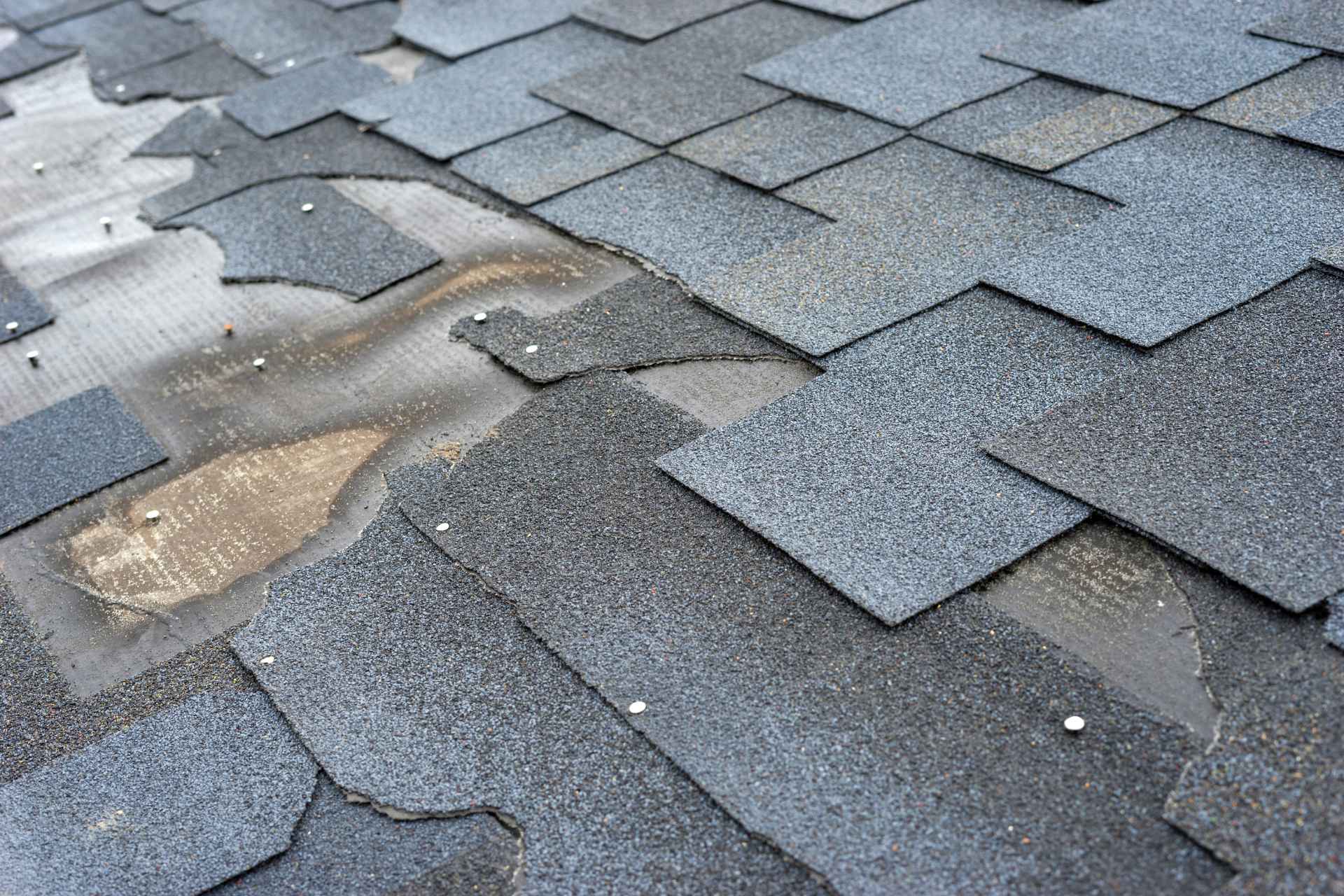
A roof’s ability to withstand heavy snow depends greatly on its age and overall structural condition. Older roofing materials may have weakened decking, brittle shingles, or compromised underlayment that reduce load tolerance. Over time, fasteners and support components naturally lose some of their original strength. This gradual decline makes aging roofs more vulnerable to repeated winter stress. Consistent upkeep is critical because roof maintenance prolongs the lifespan of roofs by reinforcing weak points before seasonal pressure intensifies them.
When aging materials combine with heavy accumulation, the risk of progressive damage increases. Minor structural fatigue from previous winters may not be visible but can reduce resilience during future storms. Commercial roofs with aging membranes and residential roofs with deteriorating shingles both face similar structural risks under sustained weight. Preventative inspection allows property owners to assess load capacity before major winter events occur. Maintaining structural integrity year-round improves overall winter performance.
Preventative Measures for Residential and Commercial Roofing
Preventing long-term snow load damage begins with proactive winter preparation. Safe snow removal methods can reduce excessive accumulation without damaging roofing materials. Ensuring proper attic insulation and ventilation helps regulate surface temperature and minimizes uneven melting. Commercial properties should confirm that drainage systems and scuppers remain unobstructed during heavy snowfall. Seasonal inspections allow early identification of stress points before structural strain escalates.
Delaying corrective action often leads to more significant structural problems. Repeated winter stress without proper intervention may contribute to cumulative deterioration, increasing the likelihood of costly structural repairs. Over time, a roof replacement delay can compound minor damage and reduce overall roof performance. Hiring a good roofer to assess winter impact ensures that structural vulnerabilities are addressed before the next snowfall. Consistent preventative measures protect both residential and commercial roofing systems from long-term winter damage.
Winter Weight Leaves Long-Term Consequences
Snow load may not cause immediate failure, but its cumulative impact can gradually weaken roofing systems over time. Repeated seasonal stress affects structural components, fasteners, and protective materials in both residential and commercial properties. Uneven accumulation and freeze-thaw cycles further increase the risk of moisture intrusion and long-term deterioration. Proactive inspection and timely maintenance reduce the likelihood of serious structural complications. Understanding how winter weight affects a roof allows property owners to protect performance, safety, and long-term value.