As the final patches of snow retreat from Canadian lawns this April, homeowners are turning their attention to exterior maintenance. After months of serving as the primary shield against sub-zero temperatures and heavy snow accumulation, your asphalt shingles have just completed their most gruelling “work season.” While the transition to spring is a welcome change for residents, it is often the most revealing time for the structural integrity of a home. Engaging a professional roofing company during this window is not merely a cosmetic choice. It is a technical necessity to identify “winter fatigue” before the heavy rainfalls of May and June arrive.
From a budgetary standpoint, a financial advisor would likely categorize your roof as one of your home’s most significant depreciating assets—one that requires consistent oversight to protect the total equity of the property. Just as you wouldn’t ignore a warning light on a vehicle dashboard after a cross-country trip, you should not ignore the subtle signs of wear that appear after a harsh Canadian winter. Identifying these issues early is the only way to ensure that a manageable repair doesn’t escalate into a premature and costly replacement.
Understanding “Winter Fatigue” in Asphalt
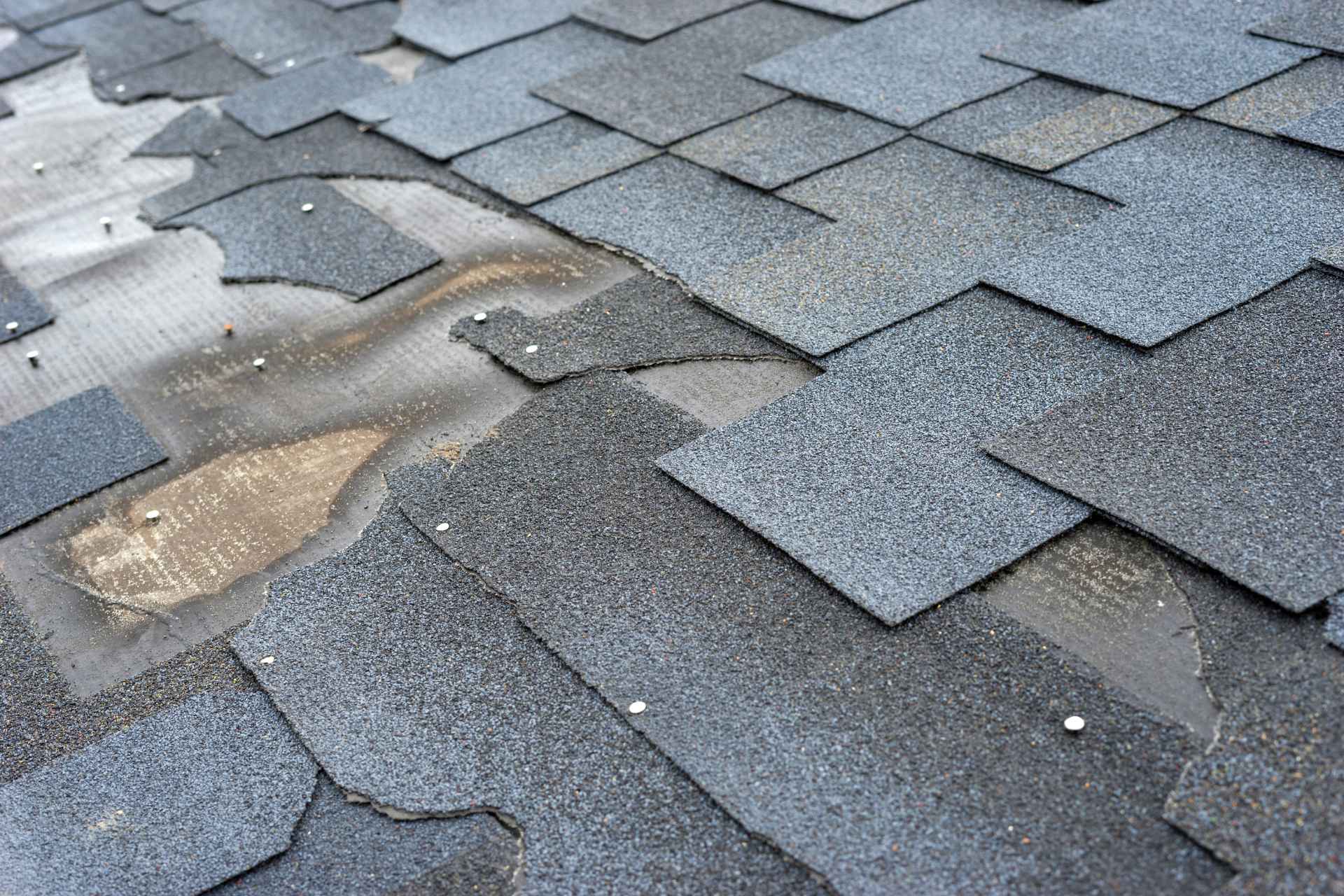
In the roofing industry, “winter fatigue” refers to the loss of elasticity and adhesive strength in asphalt shingles due to prolonged exposure to extreme cold and weight. Asphalt is a petroleum-based product; it relies on internal oils to remain flexible. During a standard Canadian winter, these oils can migrate or dry out, leaving the shingles brittle. When spring arrives, these brittle shingles are expected to handle high winds and heavy rain, but they often lack the structural “give” required to perform.
The most aggressive catalyst for this fatigue is the damage caused by the freeze-thaw cycles. In early 2026, many parts of Canada experienced erratic temperature swings, where daytime highs hovered above freezing while nighttime lows plummeted. This cycle causes meltwater to seep under shingle tabs or into microscopic cracks. When that water freezes at night, it expands by approximately 10%, physically prying the shingle away from its fasteners or widening existing fractures. Over a period of four or five months, this repetitive mechanical stress can leave an asphalt roof in a state of exhaustion, even if it appeared perfectly healthy the previous autumn.
The Spring Audit Checklist: Signs of a “Weather-Weary” Roof
1. Adhesive Failure and “Tab Lift”
2. Thermal Cracking and Brittle Matting
3. Granule Loss and Protective Depletion
The Risk of Procrastination: From Drip to Disaster
Many homeowners make the mistake of assuming that if there is no water dripping from the ceiling, the roof is fine. However, winter fatigue is often a “silent” problem. Small fractures caused by the freeze-thaw cycle may only allow a few drops of water into the attic during light rain. However, over time, this moisture accumulates in the insulation, reducing its R-value and creating a damp environment perfect for mould growth.
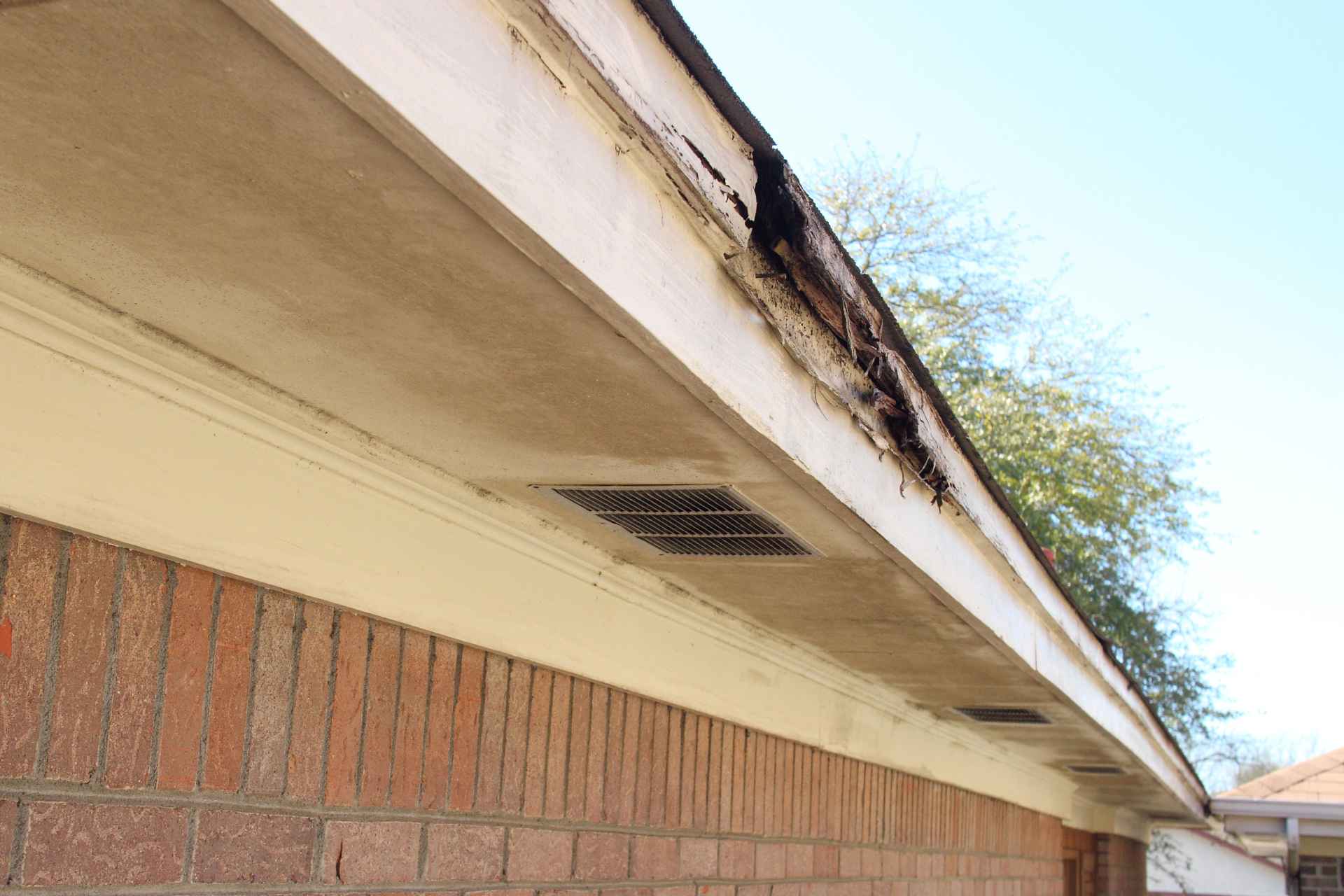
By the time a brown stain appears on your second-floor ceiling, the wood rot in the rafters may already be extensive. Procrastinating on an April audit often means moving from a simple maintenance budget into the realm of major structural restoration. In the 2026 real estate market, documented proof of regular roof maintenance is also becoming a requirement for many insurance providers. If you cannot prove that you took reasonable steps to maximize your roof’s lifespan, you may find it difficult to settle a claim after a major windstorm or hail event later in the year.
Investing in Longevity: Small Fixes vs. Major Replacements
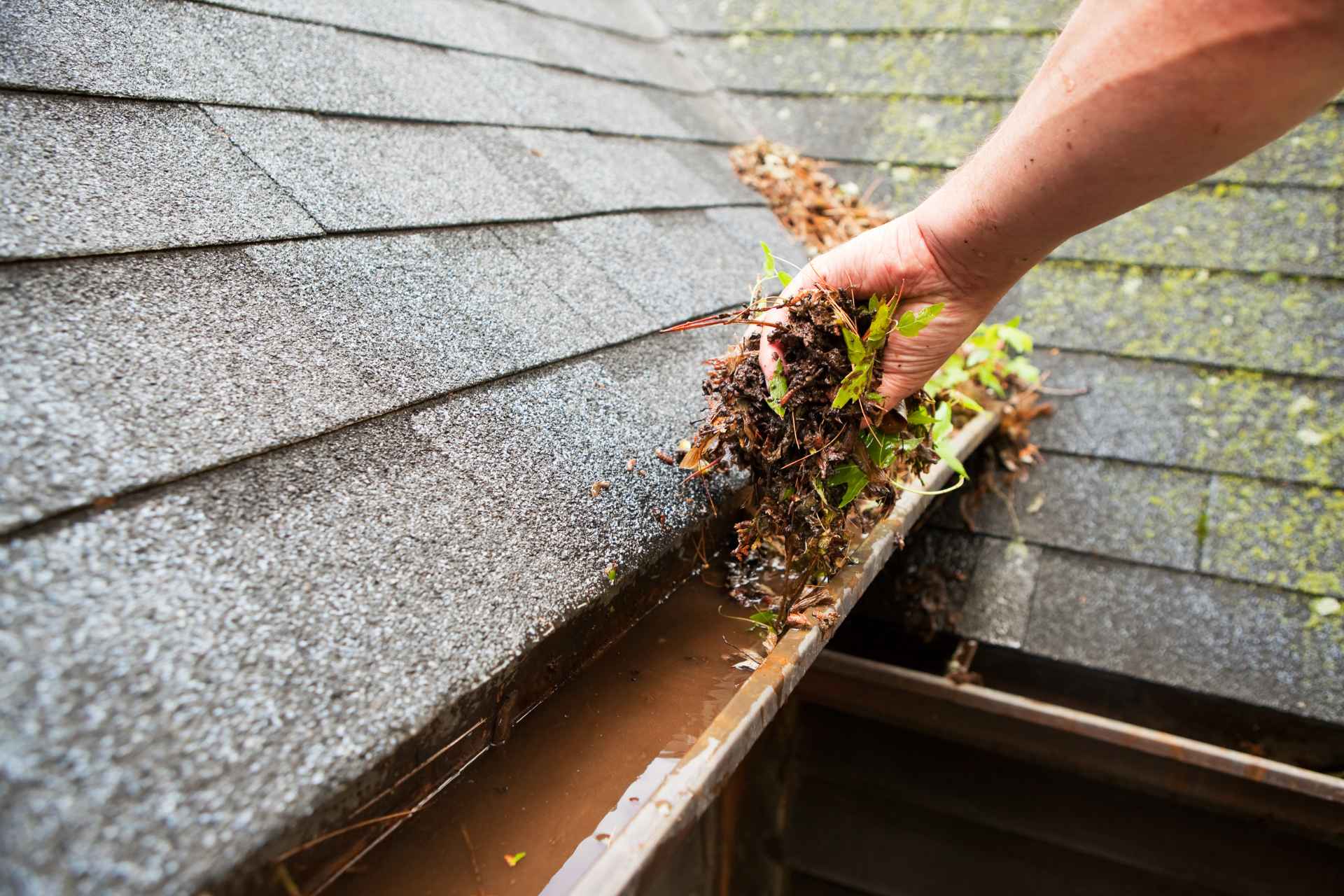
The goal of a spring audit is to catch the “small” things. Often, a roof that appears to be failing only requires a “tune-up.” This might involve resealing a few loose tabs, replacing a cracked vent boot, or clearing debris from a valley where water has been pooling. These minor interventions are the most effective ways to maximize your roof’s lifespan, potentially adding five to seven years to the utility of the system.
However, the audit also provides a clear-eyed look at when it is time to move on. If more than 20% of the roof surface shows signs of advanced winter fatigue—such as widespread cracking or massive granule loss—it is often more financially sound to plan for a replacement. In 2026, many homeowners are choosing to move away from standard asphalt and toward commercial roofing systems adapted for residential use, or high-impact “Class 4” shingles that are specifically engineered to survive the mechanical stress of the Canadian climate.
Future-Proofing Your Home for 2026 and Beyond
The 2026 spring season is a reminder that our weather patterns are becoming increasingly volatile. A roof that survived five years ago may not be equipped for the intensity of modern storms. Part of your spring audit should include a conversation about “upgrading” your defence. This could include installing enhanced ice and water shields in the valleys or improving attic ventilation to reduce the temperature differential that causes thermal cracking.
While residential asphalt remains the most popular choice due to its cost-effectiveness, it requires the most consistent “human” intervention to remain viable. Unlike stone or metal, asphalt is a biological and chemical product that is constantly changing. April is the month when you determine if those changes are manageable or if they have compromised the safety of your home.