There are few moments in homeownership more stressful than being told your ten-year-old roof is “finished.” You likely expected your shingles to last at least two decades, yet here you are, looking at a massive quote for a premature shingle roof replacement. For many Canadians, realizing their roof has failed early feels like being stuck in a financial escape room. You are searching for an exit—a repair, a patch, a temporary fix—only to find that the “puzzle” of your roof’s deterioration has no easy solution.
When you call a reputable roofing company, our goal isn’t just to sell you a new roof; it’s to help you understand why the last one didn’t go the distance. In the Canadian climate, shingles face extreme swings in temperature and moisture. However, shingles rarely fail due to old age alone. They fail because of systemic issues that could have been prevented. Understanding the “hidden killers” of asphalt systems is the first step toward ensuring your next investment actually lasts its intended lifespan.
The Quick Edit: Key Takeaways
- The Ventilation Factor: A roof that can’t “breathe” will cook from the inside out, regardless of how expensive the shingles were.
- The Maintenance Gap: Moss and debris are more than just eyesores; they are biological agents that dissolve the asphalt mat.
- Installation Integrity: Even the best shingles will fail in half the time if they are nailed incorrectly or if the flashing is subpar.
Reason 1: The “Silent Killer” – Poor Attic Ventilation
If you want to know why most roofs fail early, look under the shingles rather than at them. Poor attic ventilation is the single most common cause of early shingle death in Canada. In the winter, heat from your home escapes into the attic. If it isn’t vented out, it creates a “hot spot” that melts snow, leading to ice dams. In the summer, that same trapped heat can reach temperatures of 60 to 70°C (140 to 60°F), effectively baking your shingles from the bottom up.
This heat causes the asphalt to become brittle and lose its protective granules. This is a classic example of how winter fatigue is actually a year-round struggle for your home. When shingles are overheated, the oils that keep them flexible evaporate. Once the shingles are brittle, they crack during the next cold snap or blow off during a spring storm. Ensuring your intake and exhaust vents are balanced is the only way to prevent this slow-motion disaster.
Reason 2: Neglected Maintenance and Organic Growth
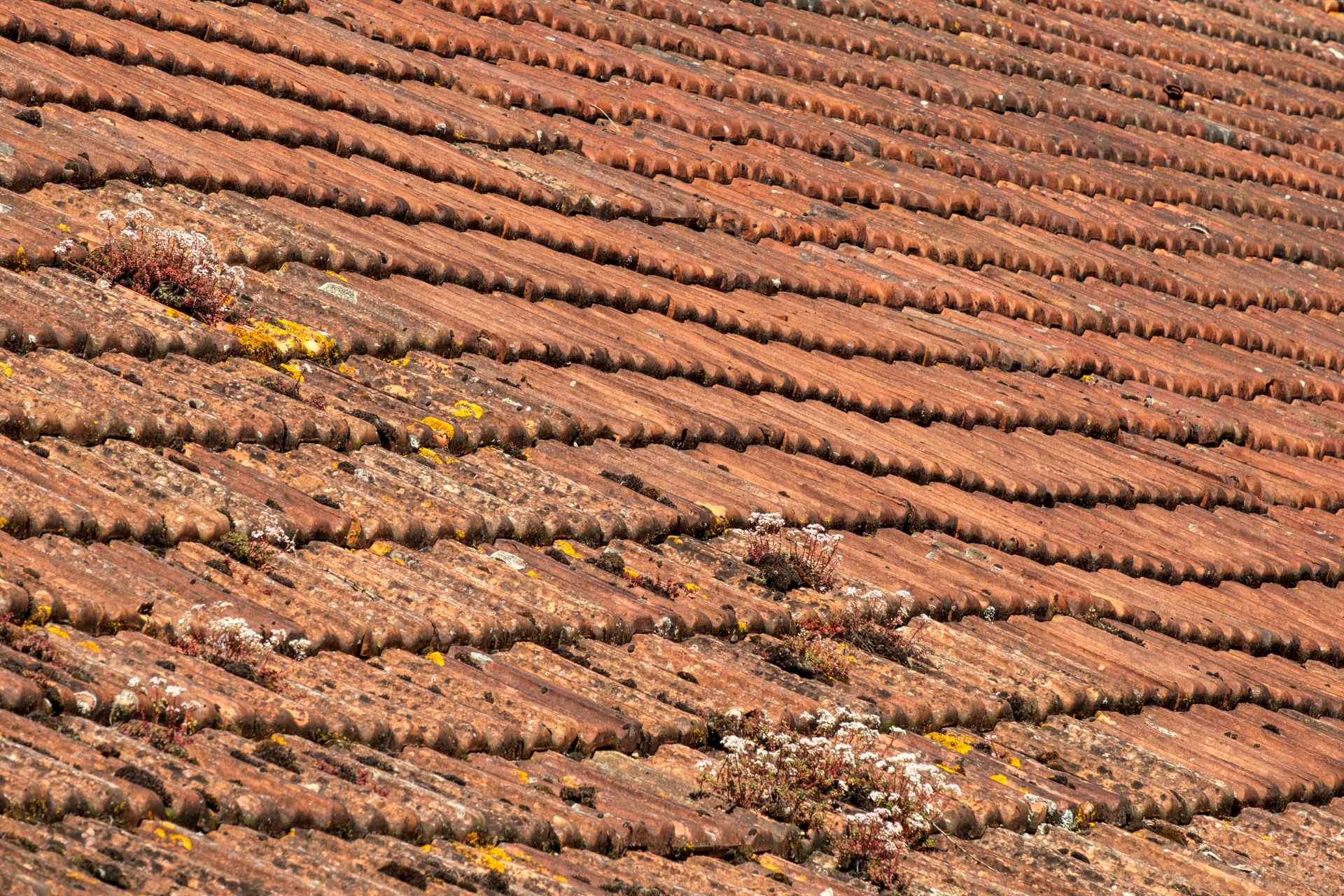
Many homeowners view regular roof maintenance as an optional aesthetic choice. They see a bit of moss or a layer of pine needles in the valleys and think, “I’ll get to that next year.” In reality, organic growth is an active predator. Moss and algae roots actually dig into the shingle’s granule layer, seeking moisture and minerals.
As these plants grow, they hold water against the shingle surface for long periods. In the Canadian spring, this trapped moisture undergoes constant freeze-thaw cycles, prying the asphalt apart. Furthermore, sitting debris acts as a dam, diverting water underneath the shingles. If you aren’t clearing your roof at least once a year, you are essentially allowing nature to slowly compost your home’s primary defence. A simple cleaning can add five to ten years to a roof’s life, making it one of the highest-ROI tasks you can perform.
Reason 3: The Drainage Chain Reaction
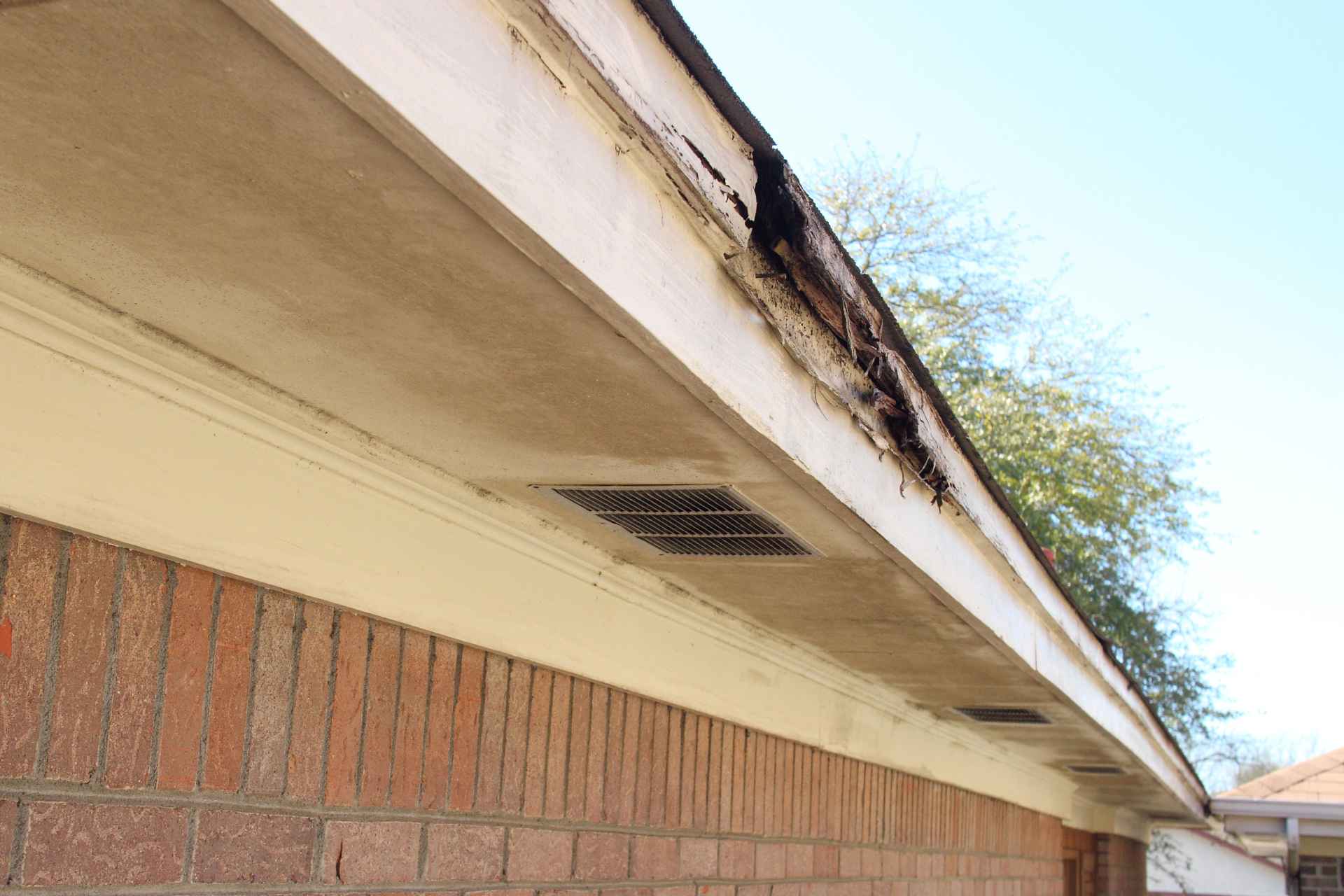
The health of your roof is inextricably linked to how well your home sheds water. We often see homeowners focus purely on the shingles while ignoring the gutters and downspouts. When gutters are clogged, water backs up and sits against the “starter course” of shingles and the fascia board. This creates a high-humidity microclimate that fosters rot in the roof deck itself.
This is particularly dangerous during the spring rainy season. When a heavy deluge hits, a compromised drainage system causes water to overflow and splash back onto the siding or wick into the roof edges. If the wood deck becomes soft due to moisture, it can no longer hold roofing nails securely. Once those nails lose their “grip,” shingles start to slide or lift in the wind. You might have perfectly good shingles on the surface, but if the wood underneath is rotten because of poor drainage, you are still looking at a total replacement.
Reason 4: The High Cost of Skipping Inspections
We cannot overstate the importance of regular roof inspections, especially after a harsh winter. Most “catastrophic” roof failures started as minor issues that could have been fixed with a hammer and a tube of sealant. For instance, a single piece of flashing around a chimney might have pulled away due to thermal expansion. If caught during an inspection, it’s a twenty-minute fix. If ignored, it will slowly rot the chimney transition over three years until the entire area needs to be rebuilt.
In Canada, we see many homeowners fall victim to the “out of sight, out of mind” trap. They wait for a leak to appear in the kitchen before they call a pro. By that point, the cost of the repair has often tripled. A professional inspection identifies these “ticking time bombs” before they explode. Think of it like a dental checkup; a small filling today is much better than a root canal—or a full extraction—next year.
Reason 5: Improper Installation and Material Mismatch
Sometimes, a premature roof replacement is the result of human error from day one. In the roofing industry, “high-nailing” is a common mistake where installers place nails above the designated nail line. This means the nail doesn’t pass through both layers of the shingle, drastically reducing wind resistance. During a typical Canadian windstorm, these shingles will simply blow off, even if they are brand new.
Furthermore, some contractors use “standard” shingles in areas that require high-wind or high-impact versions. If your home is in an exposed area or a hail-prone region, using the wrong grade of shingle is a recipe for failure. Proper installation also includes using the right underlayment and drip edges. If a contractor cuts corners to give you a “deal” on the initial price, you will likely pay for it five years down the road when the system begins to fail prematurely.
Protecting Your Investment
Your roof is a system, not just a product. To get the full 25-year lifespan out of your shingles, you have to support that system with ventilation, drainage, and care. Avoiding an early tear-off isn’t about luck. It’s about being a proactive steward of your home.
Don’t let winter fatigue or a busy spring schedule stop you from performing a basic check-up. Clear those gutters, look for moss, and ensure your attic isn’t a sauna. If you aren’t sure where your roof stands, call a trusted roofing company to perform a thorough evaluation. By spending a few hundred dollars on maintenance and inspections now, you can save yourself fifteen thousand dollars later. Take control of your home’s future today, and make sure your current roof is the one that lasts for decades to come.