A roof’s job is to manage gravity as much as it is to manage rain. Most homeowners focus on the exterior skin of the building. They look for missing shingles or leaks. However, the invisible weight of the environment constantly pressures the home’s skeleton. In the modern housing market, a reputable roofing company must evaluate the frame as much as the tiles. Structural health is the foundation of every other home improvement. For example, homeowners investing in basement underpinning to stabilize their foundation often forget a key fact. The roof provides the downward counter-pressure for the entire structure. If the roof’s frame is weak, the stability of the house is compromised from the top down. Understanding “Silent Strain” is essential for safety. It allows you to read the body language of your home before a collapse occurs.
The Skeleton: Trusses vs. Rafters
To understand structural stress, you must understand the roof’s skeleton. Traditional homes often feature hand-cut rafters. These are long beams that run from the peak to the walls. They rely on the sheer strength of the timber to hold the load. Modern homes typically use engineered web trusses. These are pre-fabricated triangular structures. They use geometry to distribute weight efficiently.
Load distribution is the key to a healthy roof. The frame must transfer the weight of the roof and the snow to the load-bearing walls. If a beam is cracked or a truss plate is loose, this transfer fails. The weight then begins to push on non-structural interior walls or the ceiling itself. This causes the wood to flex and “creep” over time. Identifying which system your home uses is the first step in a structural audit. It helps you understand where the most likely points of failure will occur.
Signs of Deflection: Reading the Roofline
You can often spot structural stress from the curb. A healthy roof should have a perfectly straight ridge line. If you notice a “swayback” or sagging ridge, the internal supports are likely failing. This indicates that the rafters are spreading or the ridge beam is bowing under its own weight. This is a clear sign that the structural integrity is reaching its limit.
Dipping planes are another external warning sign. Look at the flat sections of the roof. If you see areas that “bowl” or pool water, the roof deck is losing its stiffness. This deflection is often caused by heavy snow loads or weakened support beams. When water pools in these dips, it adds even more weight to the area. This creates a dangerous cycle of increasing stress. Early detection of these visual cues prevents a sudden and catastrophic structural failure.
Interior Evidence: When the Walls Talk
Structural stress often manifests inside the home before the roof caves in. Many homeowners mistake interior cracks for standard house settling. However, horizontal cracks near the ceiling are a major red flag. These indicate that the roof is pushing the walls outward. This “thrust” is a common failure point in older rafter-framed homes. It is important to remember that minor roof issues quickly turn to major costly repairs if ignored.
Door and window alignment can also reveal a struggling roof. If your bedroom door suddenly starts to stick, the frame may be out of square. A heavy or sagging roof puts pressure on the headers above doors and windows. If a window becomes difficult to open or close, do not ignore it. The roof may be shifting the entire vertical load of the house. These subtle changes are the “voice” of your home. They signal that the structural frame can no longer support the weight above it.
The Importance of Airflow and Temperature
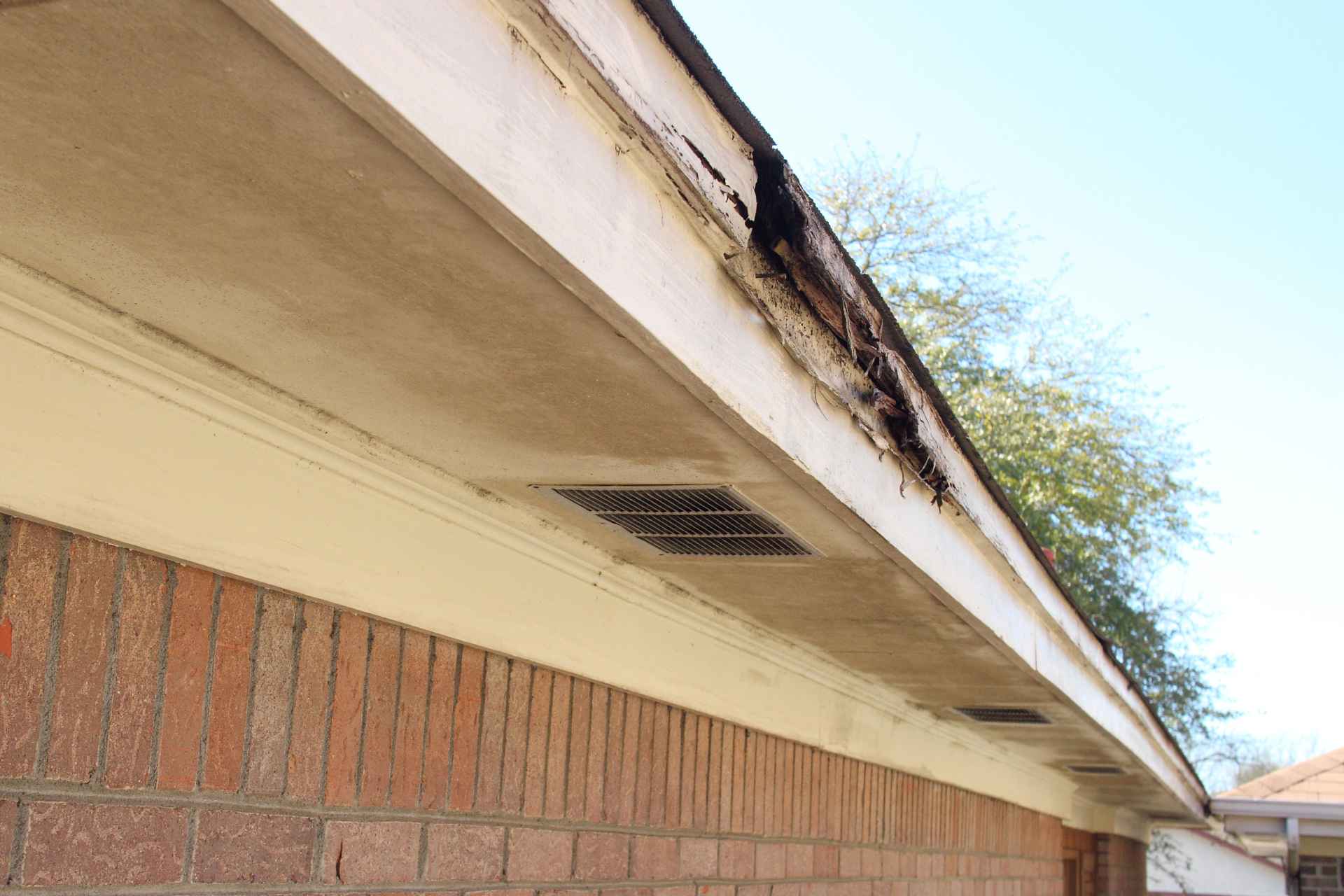
Structural health is inextricably linked to the attic environment. Wood is a natural material that responds to heat and moisture. In a poorly ventilated attic, extreme heat weakens the fibres of the wood. Over decades, this “thermal cycling” causes the timber to become brittle. This is why soffit vents are so critical for more than just shingle health. They ensure that the structural beams stay at a stable temperature and do not warp prematurely.
Proper ventilation also manages humidity. A damp truss is significantly weaker than a dry one. High humidity causes the wood to soften and compress under load. By maintaining a stable, dry environment, you protect the load-bearing capacity of the wood. You must realize that proper maintenance prolongs the roof’s lifespan by keeping these structural members in peak condition. This ensures the skeleton of your home remains strong enough to handle extreme weather events.
The Weight of Retrofitting and Aging
Every roof frame has a maximum load capacity. Homeowners often forget this when they decide to upgrade their materials. Adding a second layer of shingles is a common way to save money. However, this doubles the weight on the rafters. If the frame was designed for a single layer, this extra mass causes permanent deflection. Switching to a heavier material like slate or clay tile requires even more caution.
Environmental factors also play a role in wood fatigue. Aging wood loses its elasticity over time. It no longer “bounces back” after a heavy winter snowpack. Each year, the wood sags just a fraction of a millimetre more. Consistent care reduces these stressors. It allows you to catch the early signs of fatigue before they become permanent. If you notice the frame is struggling, you should not delay a roof replacement project. Putting off the work only increases the risk of a full structural collapse.
Calculating the Snow Load Factor
In the Canadian climate, the “Snow Load” is the ultimate stress test. A heavy, wet snowfall can add thousands of pounds to your roof in a few hours. A healthy frame is designed to handle this, but an aged or damaged one will groan under the pressure. Listen for popping or creaking sounds during a major storm. These are the sounds of wood fibres stretching and fasteners straining.
If you suspect your roof is reaching its limit, clear the snow promptly. However, this is only a temporary fix. Recurring stress from snow leads to “creep,” where the wood stays permanently bent. A structural engineer can determine if your roof needs reinforcement. They may recommend adding “sister” rafters or strengthening the truss plates. Addressing these issues before the next winter ensures your home remains a safe haven. It prevents the devastating financial and physical toll of a roof failure.
Protecting the Core of Your Home
Structural health is the invisible foundation of your property’s value. While aesthetics matter, the skeleton of the home must remain the top priority. By reading the signs of deflection and listening to the warnings in your walls, you can prevent catastrophic failure. Protecting the structural core ensures your home stands tall against the elements for decades to come. Maintaining the integrity of your roof today is the only way to secure the safety of your family tomorrow.