A roof is more than a simple lid for your house; it is a breathing organ. Most homeowners focus on the shingles, but the space beneath them determines the system’s true lifespan. A professional roofing company understands that moisture management begins at the eaves. If an attic cannot “breathe,” it quickly becomes a greenhouse for decay. Much like a window replacement improves a home’s thermal envelope, proper intake vents ensure the attic remains a stable environment. Without a constant supply of fresh air, heat and humidity become trapped against the structural wood. This leads to a silent, aggressive form of rot that can compromise your home from the inside out. Understanding the role of your soffits is essential for long-term protection.
The Physics of the Stack Effect: Thermal Buoyancy
Attic ventilation relies on a simple principle of physics known as the stack effect. This phenomenon occurs because hot air is less dense than cold air. As the sun beats down on your shingles, the air inside the attic heats up and naturally rises toward the peak. A healthy roof uses a ridge vent at the very top to allow this hot air to escape. However, this exhaust system only works if there is a functional intake system at the bottom.
The soffits act as the “intake valves” for the home. As hot air exits through the ridge, it creates a vacuum that pulls cool, dry air in through the eaves. This constant cycle is known as thermal buoyancy. It ensures that the air in your attic is replaced several times every hour. If the soffits are blocked, the vacuum cannot be filled. The hot air stays trapped at the peak, and the entire ventilation cycle grinds to a halt. Maintaining a perfect balance between intake and exhaust is the only way to prevent stagnant air from destroying your roof deck.
The Enemies of Airflow: Insulation and Debris
The most common cause of ventilation failure is actually found inside the attic. Homeowners often try to increase their energy efficiency by adding extra layers of fibreglass insulation. Unfortunately, they frequently push these batts too far into the corners of the eaves. This creates an “insulation dam” that chokes the soffit vents. Even a high-powered ridge vent cannot pull air through a wall of fibreglass. This lack of airflow increases structural stress as the wood begins to soften under high humidity.
To solve this, professionals use baffles. These are plastic or foam channels installed directly against the underside of the roof deck. They create a dedicated “wind tunnel” that keeps the insulation away from the intake vents. This ensures that air has a clear, unobstructed path from the soffit to the attic space. Keeping these channels clear is a fundamental part of proper roof ventilation and insulation. It allows the attic to stay cool in the summer and dry in the winter.
Winter Mechanics: Preventing the Ice Dam
Soffit ventilation is just as important in the winter as it is in the summer. During the colder months, the goal is temperature equalization. You want the temperature of the roof deck to match the temperature of the outside air. If the attic is too warm, it will melt the snow on the roof. This meltwater then runs down to the colder eaves, where it refreezes. This creates an ice dam that can pull shingles apart and cause water to back up into the home.
A constant stream of cold air from the soffits keeps the roof deck at a uniform temperature. This prevents the melt-and-freeze cycle that leads to dams. Additionally, ventilation manages the “condensation trap.” Warm air from the living space often leaks into the attic and hits the cold wood of the rafters. This creates frost. When that frost melts, it leads to “attic rain” and wood rot. Ensuring your “lungs” are clear prevents this moisture from settling. This is a primary requirement for maintaining a truly weatherproof roof through the harsh winter months.
Material Choice and Structural Integrity
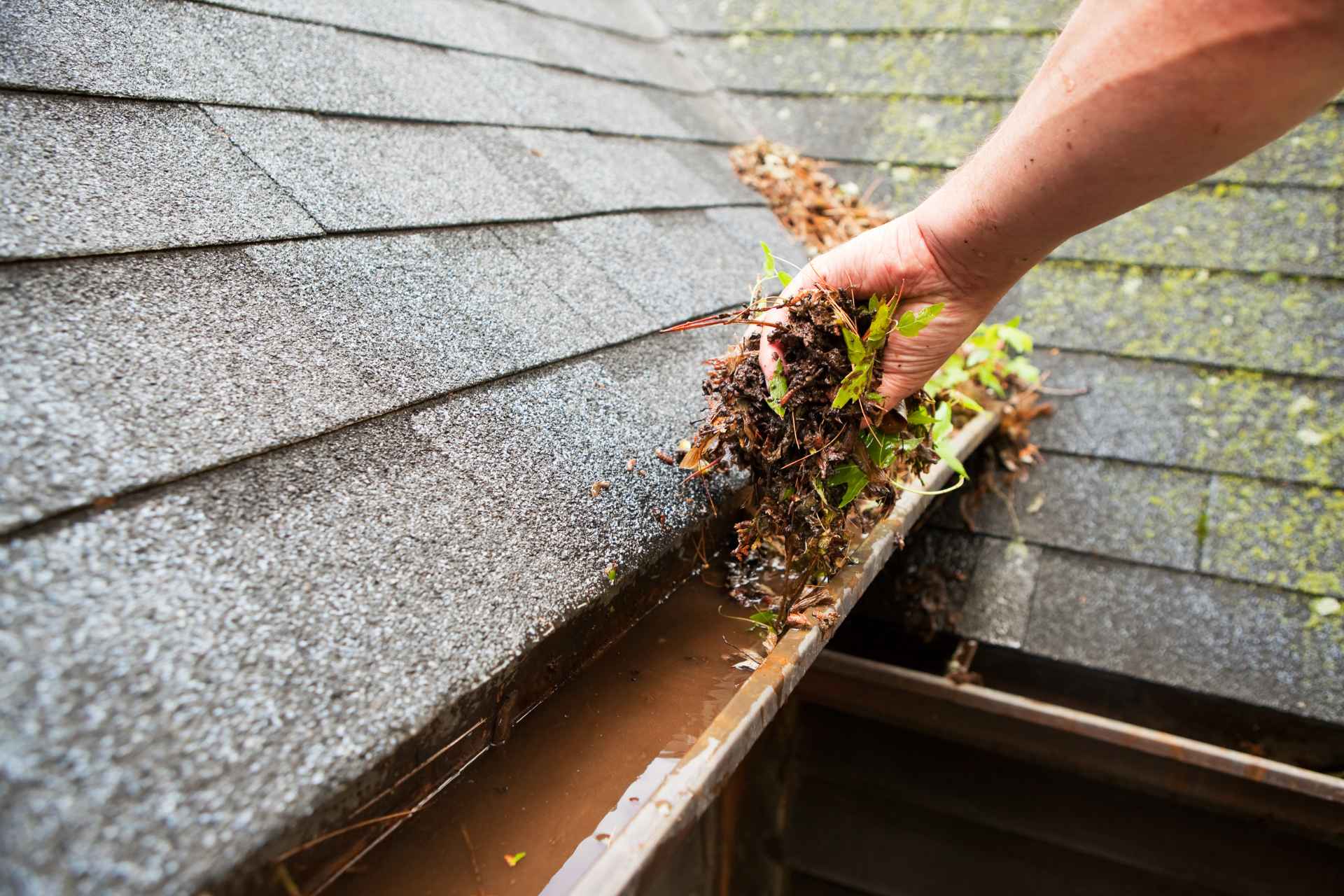
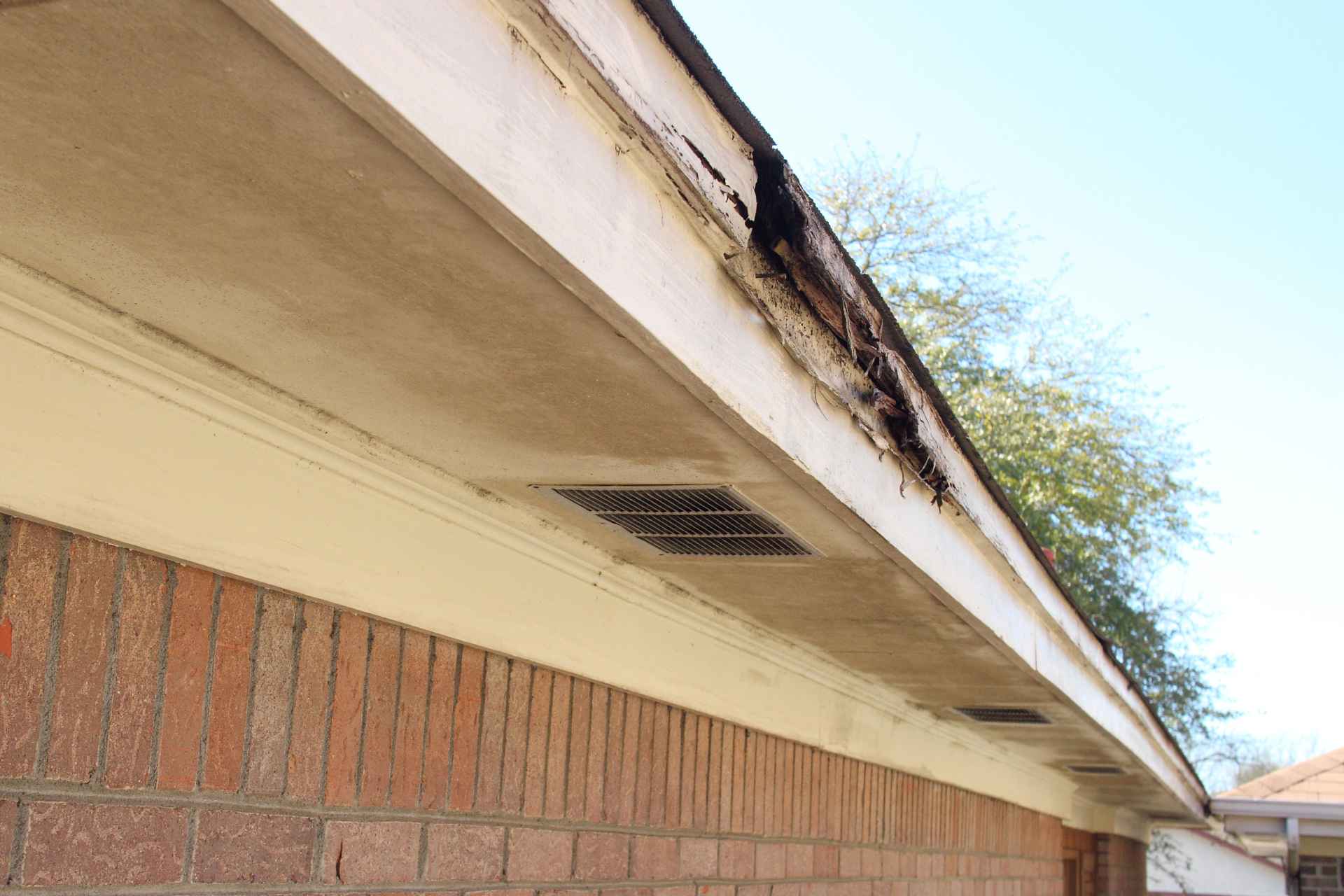
The materials used for your soffits affect both airflow and safety. Aluminum soffits are highly popular because they are perforated to allow maximum air intake. They are also durable and resistant to the elements. Wood soffits are more traditional but require frequent maintenance to prevent paint from clogging the small vent holes. Regardless of the material, the vents must remain clear of dust, spider webs, and bird nests.
A well-ventilated attic also protects the chemical integrity of your roof’s internal components. Roof underlayment acts as a secondary moisture barrier beneath the shingles. However, if the attic is too hot, the underlayment can become brittle and lose its elasticity. This prevents it from sealing around nails and fasteners properly. By keeping the wood dry and at a stable temperature, you preserve the load-bearing capacity of the entire system. High-performance soffits are the first line of defence against structural fatigue.
Signs of Suffocation: Detecting Attic Decay
You can often tell if your attic is suffocating by looking at the underside of the roof deck. During a professional inspection, a technician looks for dark “mildew” spots or white, powdery mould. These are signs that stagnant, moist air has been trapped against the wood for too long. If you see rusty nails or water stains around the rafters, your intake system is likely failing.
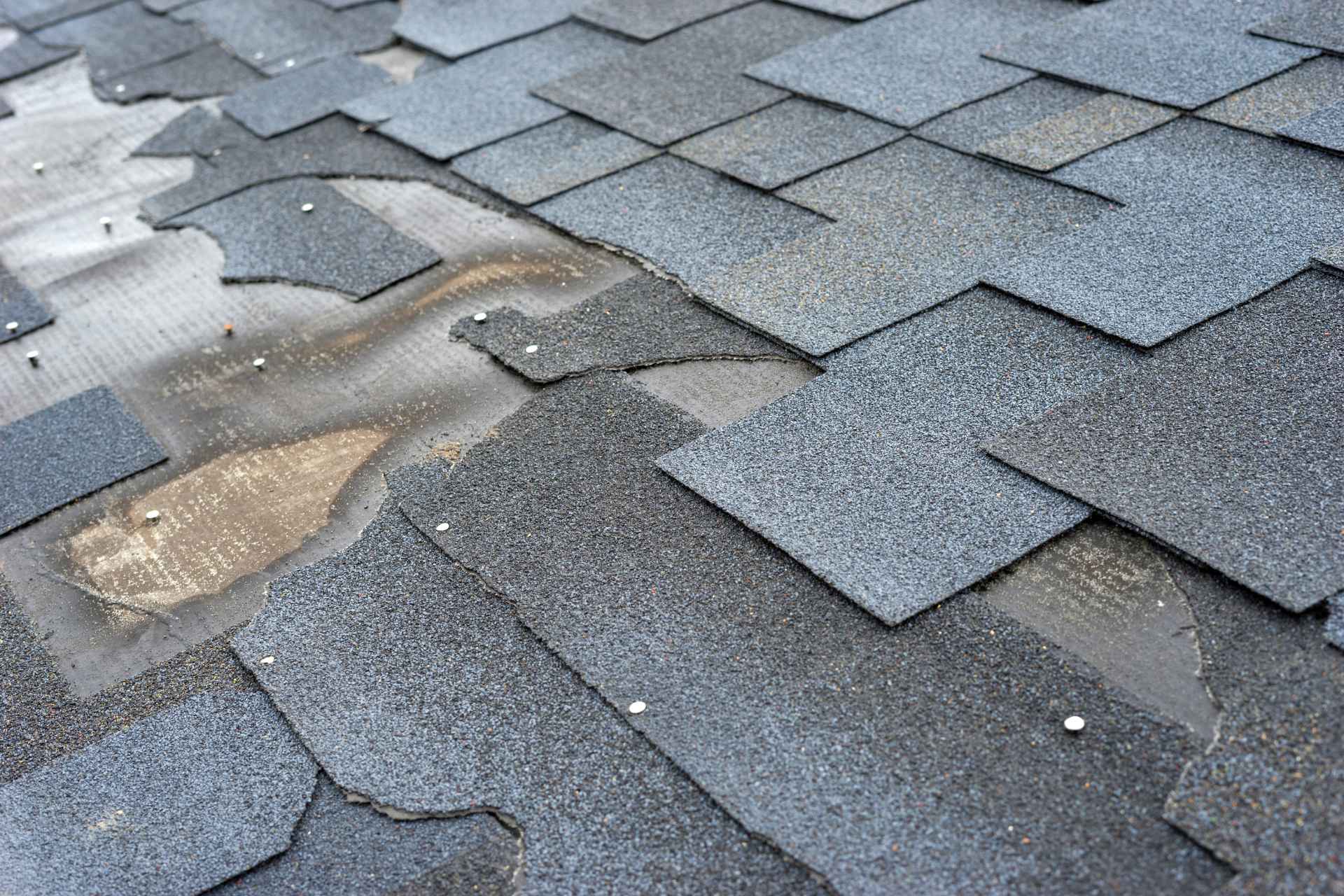
The “heat signature” of your roof is another clue. In the summer, if your upper floors feel excessively hot despite the air conditioning, your attic is acting like a radiator. This indicates that the hot air has no way to escape. Furthermore, if you see shingles that are “blistering” or losing granules prematurely, the roof is being “cooked” from the inside out. These visual indicators suggest that your ventilation system needs an immediate audit to restore the home’s breathing cycle and prevent long-term damage.
The Insurance Policy for Your Structure
Strategic ventilation is the most cost-effective way to preserve your home’s structural integrity. By ensuring a balanced intake and exhaust cycle, you eliminate the trapped heat and moisture that cause wood rot. Proactive care protects your assets and prevents the “silent” decay that leads to expensive replacements. Consult with a trusted expert to ensure your attic can breathe freely. Maintaining the lungs of the home ensures your structure remains a dry, stable sanctuary for your family for many decades to come.