Canadian autumns introduce a deceptive atmospheric transition across the country. Ambient temperatures drop while autumn rainfall increases, subjecting building envelopes to continuous moisture exposure. Property owners frequently focus on visible surface wear, yet the most destructive seasonal damage occurs out of sight beneath the outer roofing layer. When moisture penetrates past primary shingles or metal panels, it saturates the structural timber deck. This trapped moisture sets off a quiet biochemical breakdown—leading to deep structural rot—that eventually compromises the structural integrity of the entire home.
Preventing structural degradation requires a complete exterior defence strategy. Engaging a professional roofing company before winter arrives ensures that subtle water intrusion points are identified and sealed before freezing temperatures set in. Just as foundation stabilization techniques like basement underpinning protect structural footings from soil movement below, protecting your upper framing preserves timber joists and rafter tails from severe rot overhead.
- The Quick Edit
- The Biochemistry of Timber Decay: Fungi, Moisture, and Oxygen
- Autumn Moisture Migration: How Water Traps in Roof Assemblies
- Structural Mechanics of Winter Freeze-Thaw Fracturing
- Primary Intrusion Vulnerabilities: Flashings, Valleys, and Ice Dams
- Identifying Hidden Structural Rot and Attic Inspection Protocols
- Preventative Envelope Defence and Timber Remediation
- Structural Timber Preservation
The Quick Edit
- Fungal Activation: Wood-decay fungi (Basidiomycetes) activate when timber moisture content exceeds 20%, breaking down cellular lignin and cellulose.
- Cellular Freeze Fracturing: Moisture-saturated plywood and rafter tails expand during sub-zero winter freezes, shattering compromised wood fibres.
- Pre-Winter Detection: Early autumn inspection catches soft sheathing and rot before heavy snow loads cause structural deck sagging or collapse.
The Biochemistry of Timber Decay: Fungi, Moisture, and Oxygen
Wood is not a synthetic, inert building material. It is a complex organic composite of cellulose fibres bound by rigid organic polymers called lignin. When structural plywood, oriented strand board (OSB), or dimensional lumber rafters remain dry, this cellular matrix provides exceptional load-bearing strength. However, introducing sustained moisture transforms the roof deck into an active biological environment.
Wood decay is driven by microscopic fungal spores—primarily from the Basidiomycetes family—that exist naturally in the environment. These spores remain dormant within timber until three environmental triggers align simultaneously:
- High Moisture Content: Wood moisture levels must exceed the fibre saturation point of approximately 20% to 30%.
- Moderate Ambient Temperatures: Fungal enzymatic activity peaks between 10°C and 30°C, making warm, damp autumn attic spaces an ideal growth environment.
- Oxygen Availability: Trapped air within unventilated attic cavities provides the necessary oxygen for cellular respiration.
Once activated, fungal hyphae secrete specialized digestive enzymes directly into the damp wood cells. Brown rot fungi target structural cellulose, consuming the internal carbohydrate chain while leaving brittle, dark-colored lignin behind. This process causes “cubical fracture,” where the timber checks, cracks, and loses up to 75% of its mechanical load-bearing capacity before significant visual colour changes even occur.
Autumn Moisture Migration: How Water Traps in Roof Assemblies
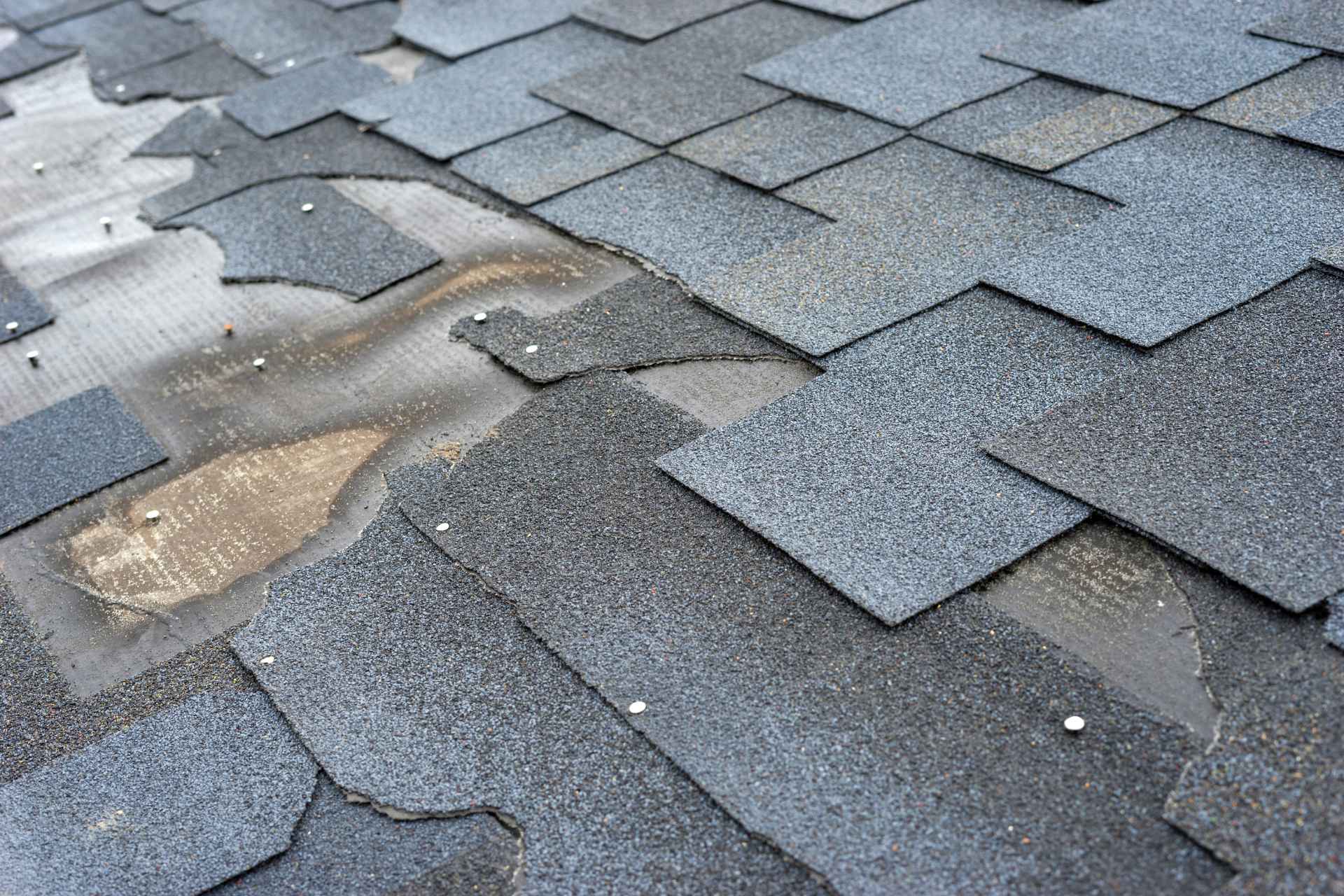
During rainstorms, water follows gravity, surface tension, and wind forces to find micro-gaps within the roof system. Once water passes the primary shingles or metal underlayment, it becomes trapped. Liquid sits directly between the non-porous outer roofing material and the continuous timber deck below.
In Canadian autumns, high ambient humidity slows down natural evaporation rates. Water that leaks onto plywood or OSB sheathing cannot dry out quickly. Instead, the wood acts as a dense sponge, drawing liquid deep into its internal pore structure through capillary action.
Timber decay progresses through distinct structural phases as moisture levels increase. Below a 19% moisture threshold, wood remains in a dormant phase with a sound cellular matrix and full load-bearing capacity. As moisture rises between 20% and 28%, incipient decay begins. This phase causes microscopic fungal growth, minor discoloration, and up to a 30% reduction in shear strength. Once moisture exceeds 30%, advanced rot sets in. Softened wood fibres undergo cubical cracking and delamination, stripping away over 75% of the deck’s structural capacity. Ultimately, when saturated timber faces sub-zero temperatures, freeze-thaw rupture shatters cell walls and delaminates plywood layers, creating a high risk of complete structural collapse under winter snow loads.
As saturated plywood remains damp over weeks of autumn weather, it begins to delaminate. The synthetic adhesives binding the wood veneers together break down under continuous hydrolysis. The once-rigid structural panel softens, swells, and loses its structural stiffness, turning minor leaks into widespread structural failures.
Structural Mechanics of Winter Freeze-Thaw Fracturing
While autumn fungal growth weakens the internal cell structure of wood, the physical transition into Canadian winter delivers the final structural damage. Water possesses a unique physical property: when it freezes into ice, its total volume expands by approximately 9%.
When moisture-saturated timber drops below 0°C, the liquid trapped inside the wood cells freezes solid. The resulting internal expansion exerts immense hydrostatic pressure—often exceeding 20,000 pounds per square inch—directly against the compromised cell walls.
This structural expansion causes severe mechanical damage:
- Plywood Delamination: Expanding ice layers force adjacent veneer plies apart, destroying the structural bond across the sheet.
- Fastener Pull-Out: As the wood around framing nails softens and expands, the nails lose their mechanical grip, allowing panels to shift and buckle.
- Rafter Splitting: Water trapped in end-grain rafter tails freezes, splitting dimensional lumber along the wood grain and reducing its total load capacity.
When heavy winter snow accumulates on top of this compromised deck, the weakened assembly can no longer support the weight. The roof deck sags inward, creating visible dips along the roofline and opening large gaps for future meltwater leaks.
Primary Intrusion Vulnerabilities: Flashings, Valleys, and Ice Dams
Structural roof rot rarely begins in the open center field of a roof panel. Instead, it starts along perimeter edges, material transitions, and structural penetrations where water naturally concentrates. Identifying these weak points is critical, as addressing common roofing issues early prevents localized leaks from spreading across structural framing.
Architectural valleys and sidewall details represent high-risk water intrusion zones:
- Flashing Interface Failures: Counter-flashings around chimneys, dormers, and skylights rely on mechanical overlaps and elastomeric sealants. Over time, thermal movement pulls these joints apart. When water penetrates these micro-gaps, a failed flashing can destroy your roof deck by channelling water directly down the face of underlying rafter tails.
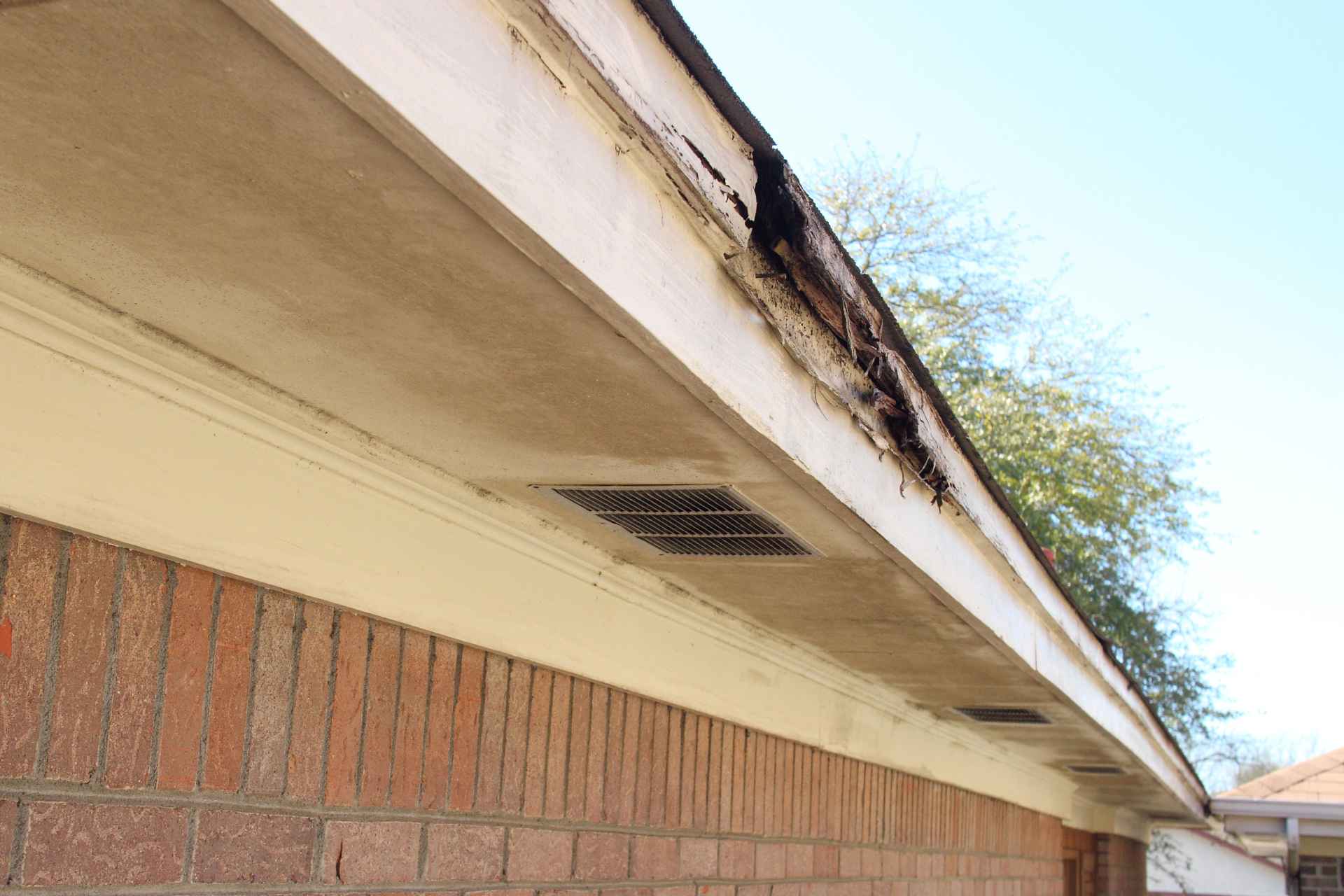
- Drip Edge Deficiencies: Missing or improperly hemmed drip edge flashings allow surface tension to pull rainwater backward under the lower edge of the roof, saturating the fascia board and underlying starter sheathing.
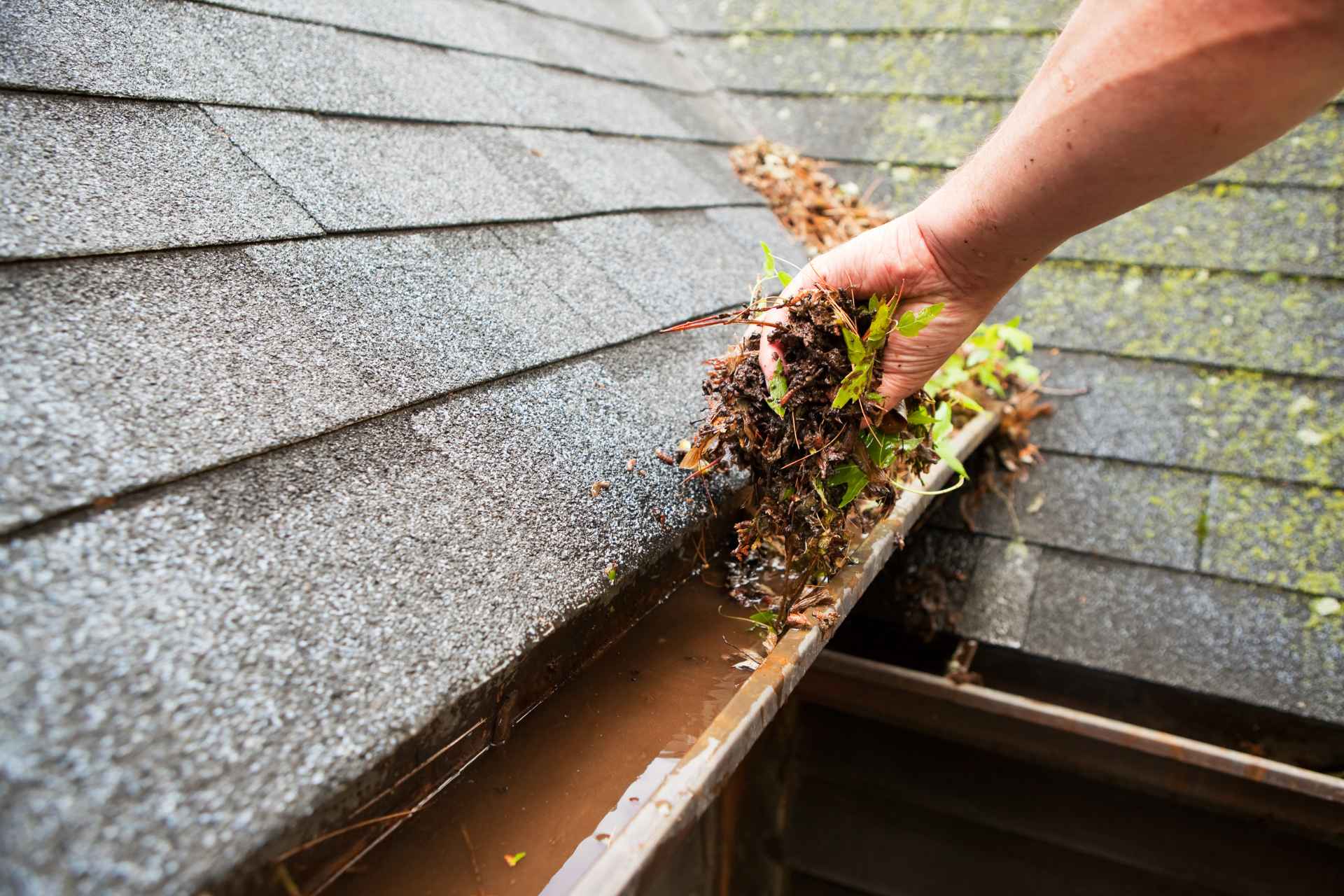
- Valleys Debris Dams: Leaves and pine needles collecting in drainage valleys hold moisture against panel laps, forcing water sideways beneath underlayment layers.
Furthermore, unresolved fall leaks create the foundation for winter water backup. As freezing temperatures arrive, clogged drainage paths accelerate the formation of ice dams along cold eave overhangs. Meltwater from warm attic spaces flows down the roof, hits the ice block at the eave, and backs up under the shingles, soaking the underlying sheathing for weeks at a time.
Maintaining clear drainage paths through routine gutter cleaning removes organic leaf litter, ensuring autumn rainwater drains freely off the roof edge rather than backing up into structural framing details.
Identifying Hidden Structural Rot and Attic Inspection Protocols
Because structural rot occurs beneath outer roofing materials, property owners must look for subtle physical indicators both inside the attic cavity and along the exterior roofline. Catching timber decay during early autumn allows for localized panel replacement before winter snow makes structural repairs far more difficult.
Key indicators of active roof deck rot include:
- Attic Sheathing Discoloration: Dark brown, black, or white powdery staining on the underside of plywood sheathing indicates active fungal growth and historical moisture exposure.
- Fastener Corrosion and Frost Tracking: Rust streaks trailing down from exposed nail tips signal high relative humidity and condensation buildup within the attic space.
- Deflecting Roof Lines: Looking along the exterior ridge or eave lines may reveal soft spots or dipping sheathing between rafters, indicating that the structural decking has lost its bending stiffness.
- Musty Odours: A persistent damp, earthy smell in the attic cavity indicates active organic decomposition of building materials.
Using a sharp awl or screwdriver to gently probe questionable timber provides immediate confirmation. Sound wood resists penetration, while fungal-damaged wood feels soft, spongy, or crumbles easily under light pressure.
Preventative Envelope Defence and Timber Remediation
Remediating deep structural rot requires a two-pronged strategy: eliminating the source of moisture intrusion and restoring structural integrity to damaged framing. Simply installing new shingles over damp or rotted sheathing traps moisture inside, accelerating fungal growth beneath the new roof.
Comprehensive timber defence requires specific structural protocols:
- Total Removal of Compromised Sheathing: Any plywood or OSB panel showing delamination, soft spots, or cubical rot must be cut out and replaced back to the center line of sound rafters.
- Fungicidal Treatment: Exposed framing lumber surrounding the repair zone should be treated with topical borate-based wood preservatives to eliminate remaining fungal spores and prevent future decay.
- Enhanced Ventilation Ratios: Upgrading intake eave vents and ridge exhaust vents balances attic temperatures with ambient outdoor air, preventing warm, moist air from condensing on the underside of cold roof decks.
- Self-Adhered Membrane Installation: Laying a continuous layer of polymer-modified self-adhering underlayment along eaves, valleys, and low-slope transitions creates a secondary, self-sealing waterproof barrier that protects timber sheathing even if outer panels are breached.
By combining proper ventilation, waterproof underlayment membranes, and sound structural sheathing, the upper building envelope maintains high structural load capacity throughout extreme winter weather seasons.
Structural Timber Preservation
Deep structural rot is a silent, progressive threat. It quickly transforms minor autumn leaks into major structural failures.
By understanding the biochemistry of fungal decay, property owners can actively manage autumn moisture migration. Repairing compromised sheathing before winter freeze-thaw cycles begin eliminates dangerous sagging risks. Ultimately, taking these steps protects structural framing assets and preserves total building performance year after year.