As autumn foliage transforms Canadian landscapes, property owners brace for the seasonal chores that come with falling leaves. Clearing tree debris from lawn edges is standard practice, but neglecting gutter cleaning and leaving overhead drainage channels blocked leads to severe structural consequences. Gutters serve as the primary hydrologic path for your building envelope, routing thousands of litres of rainwater safely away from overhead framing and ground footings.
Maintaining a healthy building envelope requires proactive, preventative care. Just as scheduling regular visits with a family doctor catches subtle health issues before they turn into serious conditions, hiring a professional roofing company ensures vulnerable roofline transitions remain completely watertight before severe winter weather arrives.
- The Quick Edit
- The Hydraulics of Clogged Eave Troughs: From Flow to Stagnation
- The Anatomy of Canadian Ice Dams: How Frozen Gutters Drive Water Uphill
- Structural Damage to Fascia Boards, Soffits, and Framing
- Pest Invasions: How Decomposing Leaf Litter Attracts Winter Wildlife
- Preventative Autumn Maintenance Protocols and Safety Practices
- Total Perimeter Envelope Defence
The Quick Edit
- Ice Dam Physics: Leaf-packed gutters freeze solid, creating physical barriers that force melting snow backward under roof shingles and eave flashings.
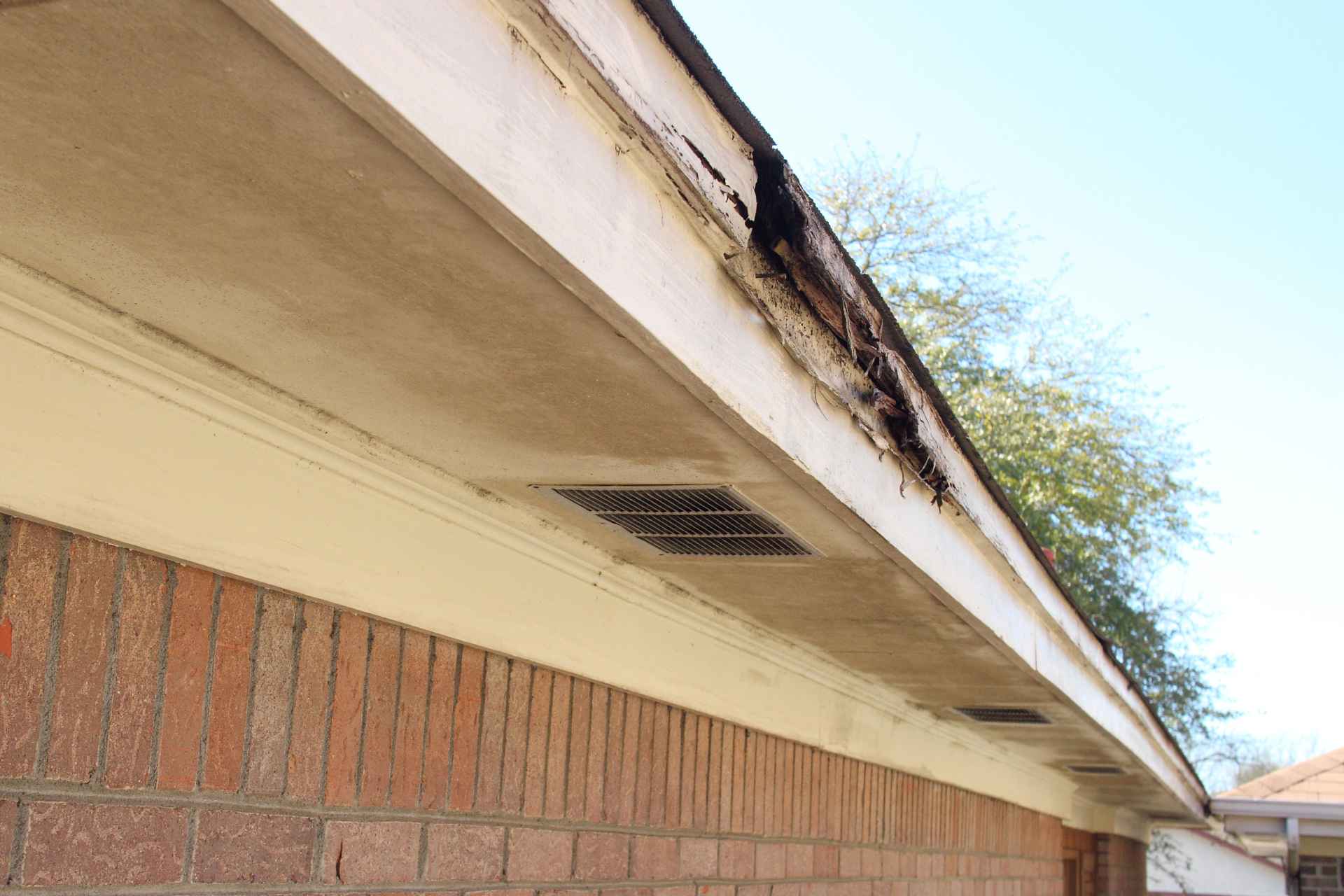
- Structural Fascia Decay: Trapped organic sludge holds continuous moisture against wooden fascia boards, accelerating deep rot along the roof perimeter.
- Pest Habitat Attraction: Decomposing gutter debris provides moisture, food, and nesting material for rodents, carpenter ants, and pests seeking winter attic access.
The Hydraulics of Clogged Eave Troughs: From Flow to Stagnation
To appreciate the importance of clean gutters, one must look at how roof runoff operates during heavy rainfall. A typical 2,000-square-foot roof generates over 1,200 gallons of liquid runoff during a single inch of rain. Roof valleys concentrate these massive fluid volumes, channelling high-velocity streams straight into eave troughs.
Beyond functional drainage, well-maintained eaves keep exterior rooflines sharp and clean. A sagging, overflowing gutter full of decaying organic sludge rapidly degrades your property’s curb appeal, proving that the roof affects your home’s first impression just as much as landscaping or front door architecture.
When eave troughs are clear, water flows effortlessly toward downspouts and discharges away from the foundation. However, autumn leaf drop rapidly alters these hydraulic dynamics:
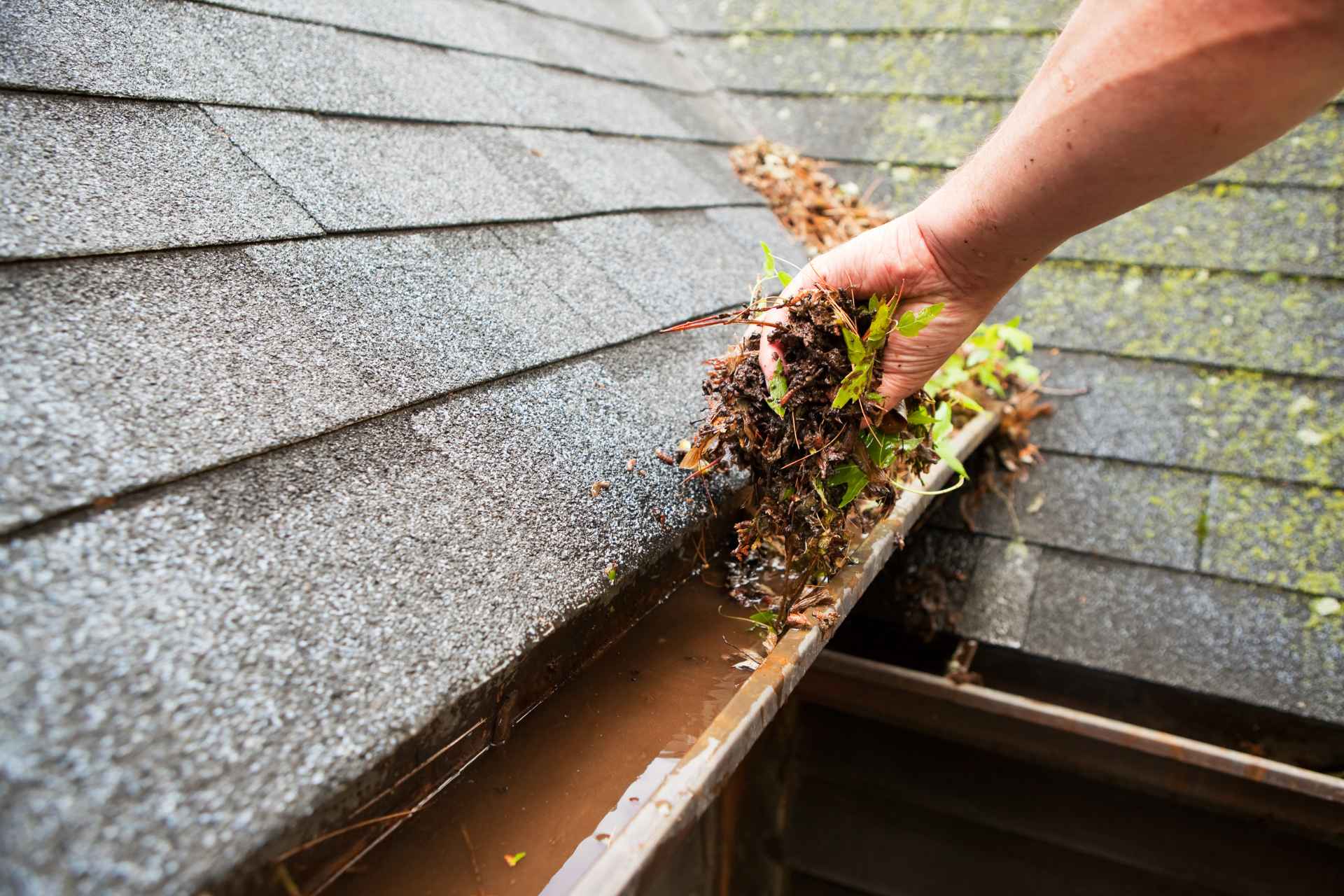
- Debris Accumulation: Deciduous leaves and pine needles settle into the trough basin, interlocking to form a dense filter mat.
- Flow Restriction: Organic sediment reduces water velocity, causing fine silt and shingle granules to settle into a heavy bottom layer.
- Overflow and Back-Spill: As downspout drop outlets clog, the trough fills to capacity. Water overflows the outer lip and spills over the back edge directly onto the fascia board.
The Anatomy of Canadian Ice Dams: How Frozen Gutters Drive Water Uphill
While fall gutter overflow causes immediate wet-weather issues, the true destruction begins when sub-zero Canadian temperatures arrive. Understanding how extreme cold affects your roof highlights why waterlogged gutters freeze solid long before clean, empty troughs freeze. This solid ice buildup acts as a permanent structural barrier along the lowest edge of the roofline.
When winter snow accumulates on the roof deck, natural heat escapes from an uninsulated attic and melts the underside of the snowpack. This liquid meltwater flows down the warm upper slope until it reaches the cold eave overhang. Upon hitting the frozen gutter blockage, the water cannot drain off the roof.
Clear gutters allow cold air to circulate freely. They route minor meltwater smoothly down downspouts, keeping the building envelope dry. By contrast, partially clogged gutters cause slush to freeze and restrict water flow. This forces meltwater over the front lip, forming heavy icicles that saturate fascia boards. In severe cases, trapped sludge freezes into a solid blockage and forms a destructive ice dam.
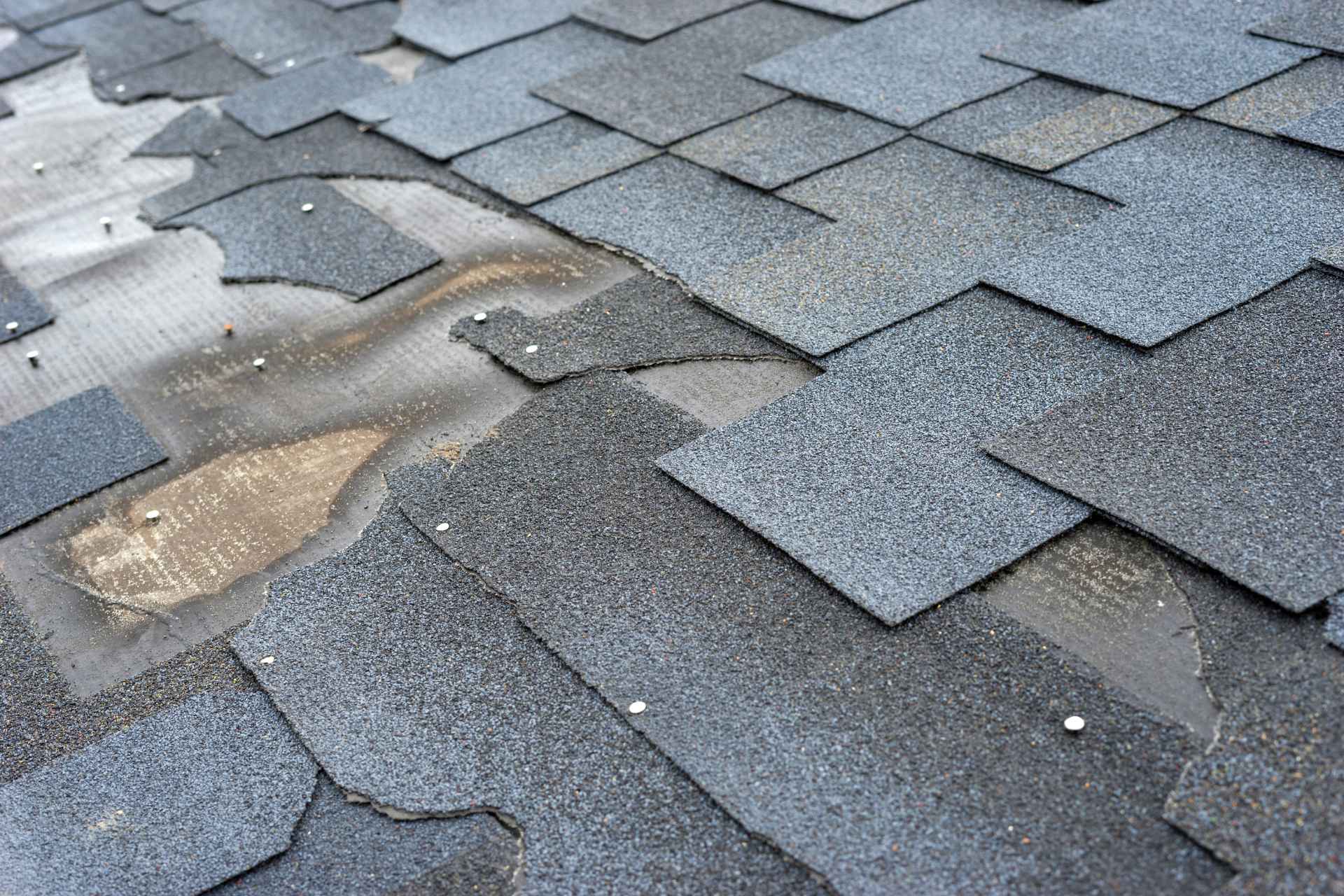
As meltwater pools behind this solid ice block, it creates a deep liquid reservoir. The trapped water follows the path of least resistance, working its way backward under shingle laps, starter strips, and perimeter flashings. Once water breaches the outer panelling, it saturates the underlying sheathing. This process triggers deep structural rot, destroys roof decking, and causes widespread leaks throughout the home’s interior.
Structural Damage to Fascia Boards, Soffits, and Framing
The damage caused by clogged eave troughs goes far beyond simple shingle leaks. Because eave troughs attach directly to wooden fascia boards using metal spikes or hidden hangers, the physical weight of wet leaves and ice exerts immense leverage on structural roof margins.
A standard 10-foot section of gutter weighs roughly 5 pounds when empty. When filled with waterlogged leaf sludge and solid ice, that same section can weigh over 150 pounds. This excessive weight leads to progressive structural failures:
- Fastener Failure: Heavy ice loads pull gutter hangers directly out of the wooden fascia board, tearing open fastener holes and sagging the trough.
- Fascia Board Rot: Trapped leaf sludge holds damp moisture against raw wood fascia edges for months, setting off deep structural rot in rafter tails and perimeter plywood.
- Soffit Infiltration: Overflowing water running along the underside of the eave saturates soffit panels, peeling exterior paint and rotting roof framing.
Pest Invasions: How Decomposing Leaf Litter Attracts Winter Wildlife
Beyond structural water damage, clogged gutters create a thriving biological ecosystem along your roofline. Damp, decomposing leaf litter provides nutrients, moisture, and shelter for a wide array of pests seeking refuge from harsh Canadian winters.
As organic matter breaks down inside the trough, it forms a rich compost layer that attracts insects and foraging animals:
- Rodents (Mice and Squirrels): Waterlogged leaf piles provide ideal nesting materials. Rodents harvest this debris while chewing through softened, water-damaged fascia boards to gain access into heated attic spaces.
- Carpenter Ants and Termites: Wood-destroying insects are drawn directly to damp, rotting fascia boards and wet rafter tails, establishing colonies within compromised roof framing.
- Wasps and Hornets: In early autumn, queen wasps build nests under protected eave margins directly above clogged gutters that offer continuous water sources.
- Birds and Starlings: Heavy leaf accumulation creates stable platforms for birds to build nests, blocking downspout openings completely with twig debris.
Clearing these organic food sources stops pest activity before pests breach your building envelope, maintaining complete structural hygiene along your roof perimeter.
Preventative Autumn Maintenance Protocols and Safety Practices
Protecting your roof envelope against ice dams and pest invasions requires a systematic autumn cleaning protocol. Property owners should clear gutters twice during the fall season: once during mid-autumn leaf drop, and once more in late fall after deciduous trees have fully shed their canopy.
Executing a safe, effective fall gutter service involves clear operational steps:
- Ladder Safety: Set extension ladders on firm, level ground, using ladder stand-offs to avoid crushing eave trough lips.
- Manual Debris Removal: Wear thick protective gloves to scoop heavy leaf sludge into buckets rather than flushing debris down downspouts.
- Downspout Flushing: Insert a high-pressure hose nozzle into the top drop outlet to clear hidden elbows and underground drain connections.
- Hardware Inspection: Check that gutter hangers are spaced every 24 inches and tightly secured into structural fascia framing.
Taking these simple preventative measures ensures your building envelope stays resilient. Ultimately, consistent care and proper roof maintenance prolong your roof’s life, saving thousands of dollars in emergency winter repairs and structural deck replacements down the road.
Total Perimeter Envelope Defence
Fall gutter cleaning is far more than a cosmetic yard chore; it is an essential structural defence for Canadian homes. By removing organic leaf sludge before sub-zero weather sets in, property owners prevent destructive ice dams, eliminate rot along fascia boards, block pest entry into attic spaces, and ensure their building envelope remains dry and secure throughout severe winter seasons.