Winter brings the harshest conditions a home will ever face, and the roof shoulders most of that burden. Partnering with a trusted roofing company to identify winter vulnerabilities early is a homeowner’s best defence. This, combined with related upgrades like strategic window replacement, works to create a “sealed envelope” and stabilize indoor temperatures during the coldest months. As deep freezes and sub-zero wind chills set in, roofing materials are pushed to their limits. Asphalt shingles become brittle and prone to cracking. Rubber seals and caulking stiffen and lose their flexibility. Metal flashing contracts in the cold, pulling away from joints and creating tiny, new gaps.
These changes create the perfect conditions for the most feared winter problems: ice dams, accelerated attic heat loss, and inconsistent indoor comfort. This guide will explore the critical importance of preparing a roof before extreme cold hits. Explaining how routine inspections, ventilation checks, insulation improvements, and timely repairs are essential to prevent costly winter damage, this information will help homeowners keep their property safe, efficient, and warm all season long.
The “Deep Freeze” Effect: How Cold Attacks Your Roof Materials
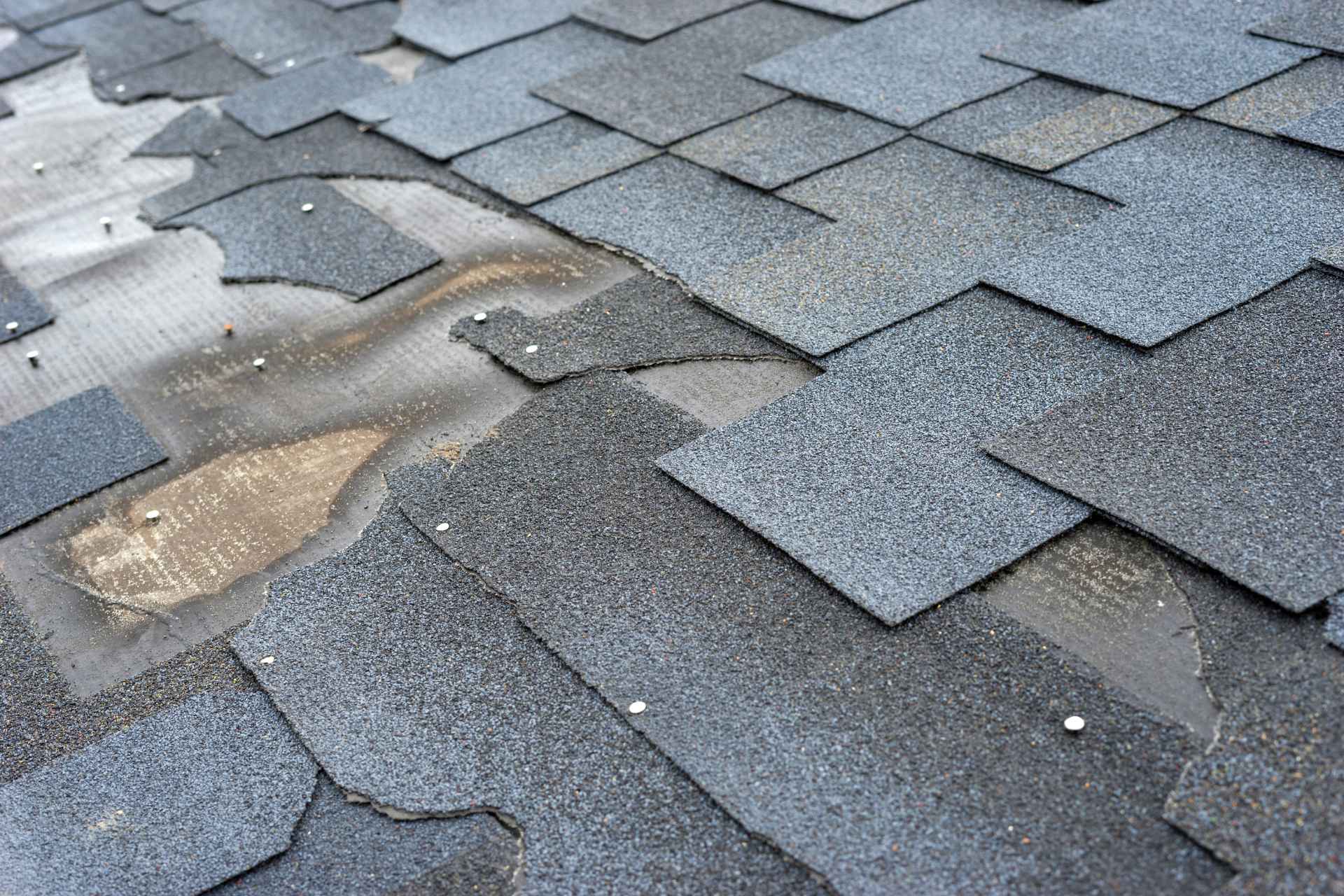
Asphalt shingles contain oils (volatiles) that are essential for keeping them flexible and water-resistant. As temperatures plummet, these oils stiffen, causing the shingle to become hard and brittle—much like a cold chocolate bar. A brittle shingle loses its ability to flex. It becomes highly susceptible to “impact fracture” from falling icicles or snapping tree branches. More commonly, high winter winds can easily crack, lift, or “snap” these stiffened shingles, breaking their seals and tearing them from the roof. This is a common cause of mid-winter roof leaks.
This material-stiffening problem extends to all roofing components. All materials shrink, or contract, in the extreme cold. The metal flashing used in roof valleys and around chimneys, vents, and skylights contracts significantly. This “pulling” action puts immense stress on old caulking, breaking the watertight seal and opening small, hard-to-see gaps. Rubber seals around plumbing vents also become hard and inflexible, cracking or pulling away. This creates a direct path for water and, just as damagingly, frost. When warm, moist air from the house leaks into the attic, it hits this freezing-cold roof deck and instantly turns to frost, which will later melt and “rain” on the insulation.
The Weight of Winter: Snow Loads and Wind Chill
The sheer weight of snow creates a major structural concern. Light, fluffy snow is manageable. However, heavy, wet snow—or snow that has been rained on—poses a significant problem. A single cubic foot of wet snow can weigh 20 pounds or more. An entire roof covered in this weight puts thousands of pounds of sustained stress on the home’s trusses and structural supports. This danger is especially high for older homes or low-pitch roofs. On these roofs, the snow cannot easily slide off. This can lead to sags or, in the worst case, a structural failure.
Wind chill doesn’t just feel colder; it actively “steals” heat from the home, accelerating attic heat loss. High winter winds also attack the roof’s physical integrity. They get under the edges of the now-brittle shingles, breaking their seals and lifting them off. Furthermore, a blizzard’s high winds drive fine, powdery snow sideways and upwards. High winds drive this snow into areas a normal rain-shedding roof cannot protect, like soffit vents and unsealed ridge vents. This process causes moisture intrusion deep within the attic.
The Real Enemy: Attic Heat Loss and Ice Dams
Homeowners must understand a critical concept: a warm roof deck causes ice dams, not a cold roof. This common, destructive problem results directly from heat loss from the living space. The cycle is simple and devastating. First, heat from the living space (paid-for furnace heat) leaks into the attic. This attic heat loss warms the underside of the roof deck, causing the snowpack to melt from the bottom up. This meltwater then runs down the roof until it hits the cold eaves (overhangs), which are not heated by the attic.
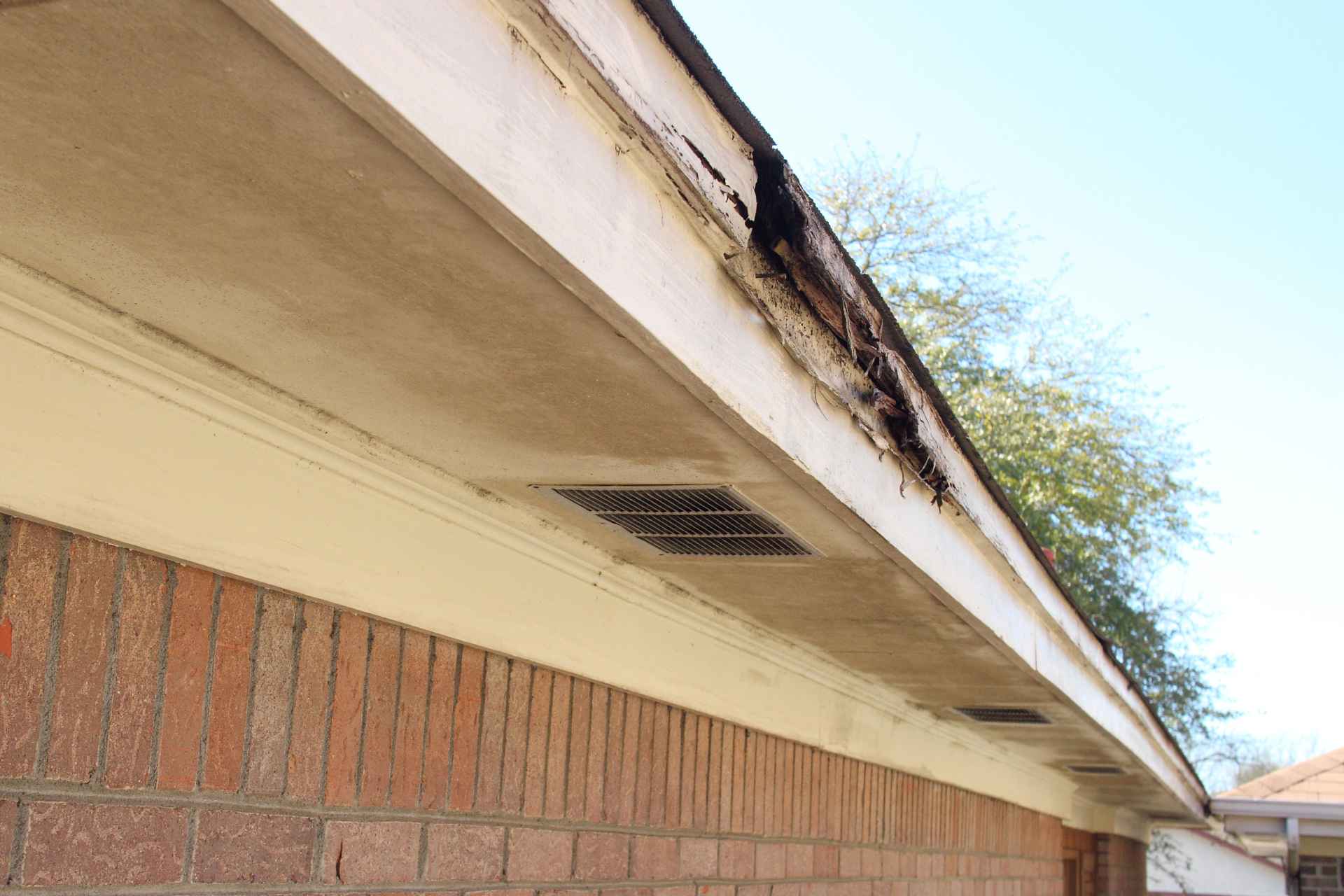
At this cold edge, the water refreezes, forming a ridge of ice—the “dam.” All the meltwater that follows gets trapped behind this dam, forming a growing pool. Shingles are designed to shed falling water, but they are not waterproof and cannot handle sitting in a pool. This pooled water seeps under the shingles, through the nail holes, and into the home. This leads to rotted roof decking, destroyed insulation, stained ceilings, and is one of the most common roofing issues caused by extreme cold.
The Proactive Defence: Your “Pre-Flight” Roof Check
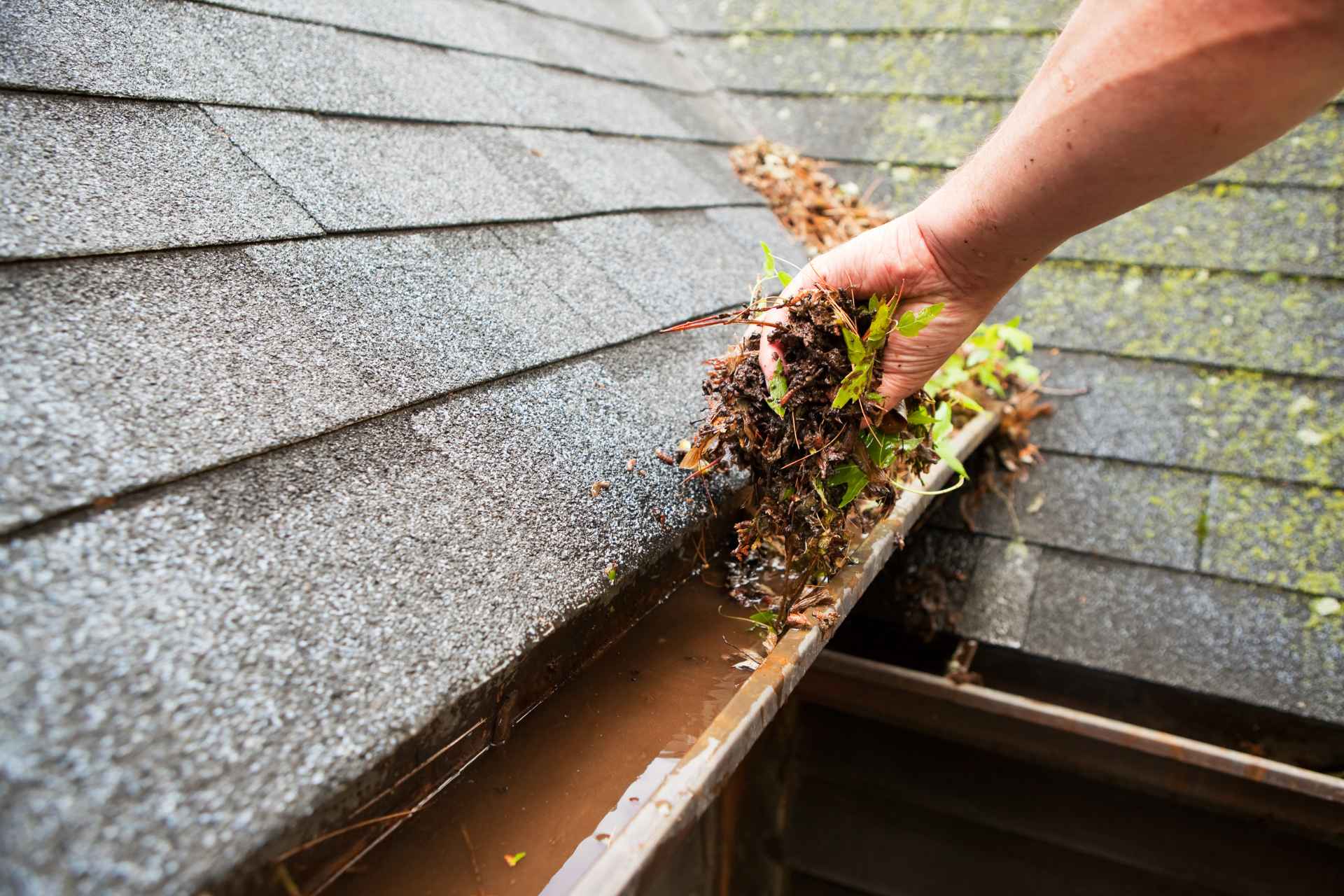
The following steps are actionable, must-do tasks for the fall. The number one preventative step is to clean the gutters. Clogged gutters full of frozen leaves and debris provide the perfect foundation for an ice dam to form. By preventing the initial drainage, they guarantee that water will back up and freeze at the eave. Clean gutters allow the very first bit of meltwater to drain safely away from the house. At the same time, trim any overhanging branches. Heavy ice and snow can easily snap tree limbs, and a falling branch can puncture even a healthy roof deck.
Before the snow flies, it is important to have a roof inspection checklist. Homeowners can use binoculars to look for common roofing issues like curling, cracked, or missing shingles. Check all visible flashings and caulking for gaps. The best course of action is to call a trusted roofing company to perform these minor, low-cost repairs now. A $10 tube of professional-grade sealant or a $50 shingle patch in October can prevent a $5,000 interior water damage claim in January.
The “Inside Job”: Insulating and Ventilating for Winter
The only permanent solution to ice dams and major winter heat loss is to create a “Cold Roof.” This means the roof deck stays the same temperature as the outside air. This is achieved with a two-part “inside job.” The first is the “blanket”: air sealing and insulation. The top priority is to air seal the attic floor. Use spray foam or caulk to seal gaps around pot lights, plumbing stacks, attic hatches, and wiring holes. This stops the “chimneys” of hot, moist air from escaping the living space.
After air sealing, top up the insulation to R-50 or R-60, the standard for most of Canada. The second part is ventilation, or the “lungs.” This system actively flushes out any small amount of heat that gets in. Check the soffit vents (intake at the eaves) to ensure insulation or paint is not blocking them. Also, make sure the ridge vents (exhaust at the top) are clear. A trusted roofing company expertly assesses this crucial balance. They will identify if an attic is “suffocating” and recommend the right fix. This prevents extreme cold from turning attic moisture into a major problem.
Don’t Get Left Out in the Cold
An unprepared roof is a vulnerable roof. Extreme cold makes shingles brittle, contracts seals, and creates the perfect environment for destructive ice dams. These dams are fueled by the very attic heat loss that drives up heating bills. Proactive winter preparation—inspecting for damage, clearing gutters, and, most importantly, managing the attic’s insulation and ventilation—is not just “maintenance”; it is the home’s primary defence against the most difficult winter roofing challenges.
This prevents mid-season breakdowns, interior leaks, and inconsistent indoor comfort. Do not wait for a leak or a cold snap to discover a problem. Schedule a professional roof and attic inspection this fall. Let the roofing experts ensure your home is sealed, safe, efficient, and ready for whatever winter throws at it.