When a person goes for a health check-up, the doctor does not just check the heart and ignore the lungs. They understand the body is an interconnected system where the health of one part affects the others. The same is true for a home. A home’s exterior—specifically its roof, windows, and doors—is not a collection of separate parts but a single, integrated “building envelope.” Too often, homeowners schedule separate inspections or inspect these components in isolation, missing the critical connections between them. A trusted roofing company can assess the shingles, but the health of the roof directly impacts the windows and doors below. This guide will explain why inspecting these elements together as a coordinated system is the most effective strategy for home maintenance, catching early signs of water damage and saving homeowners from costly repairs down the road.
- The Building Envelope: A System Built on Teamwork
- The Journey of Water: A Top-Down Threat
- What a Combined Inspection Uncovers That a Single One Misses
- The Benefits of a Unified Approach: Saving Time, Money, and Headaches
- The Homeowner’s Unified Walk-Around: A Simple Checklist
- Your Home’s Best Defence is a United Front
The Building Envelope: A System Built on Teamwork
A home’s “building envelope” is the physical shell separating the controlled interior from the uncontrolled exterior elements. Its primary components are the roof, walls, windows, doors, and foundation. An effective way to think about this system is to compare it to a high-quality raincoat. This coat’s fabric, like the roof and siding, acts as the main barrier against rain and wind. However, the coat is only truly waterproof if the zippers (the windows and doors) are properly sealed and the seams (the flashing and caulk) are intact, which is why regular inspections are so important. A failure in any one part compromises the entire system, letting the elements in.
This concept is especially important in the Canadian climate, where the building envelope is under constant assault from drastic temperature swings, heavy snow, ice, and wind-driven rain. A weakness in one area is often exploited by the weather, which then creates stress on another part of the system. For this reason, a holistic view is essential. The goal of home maintenance should be to ensure the entire “raincoat” is in perfect condition, with every seam sealed and every zipper working, providing complete protection from down.
The Journey of Water: A Top-Down Threat
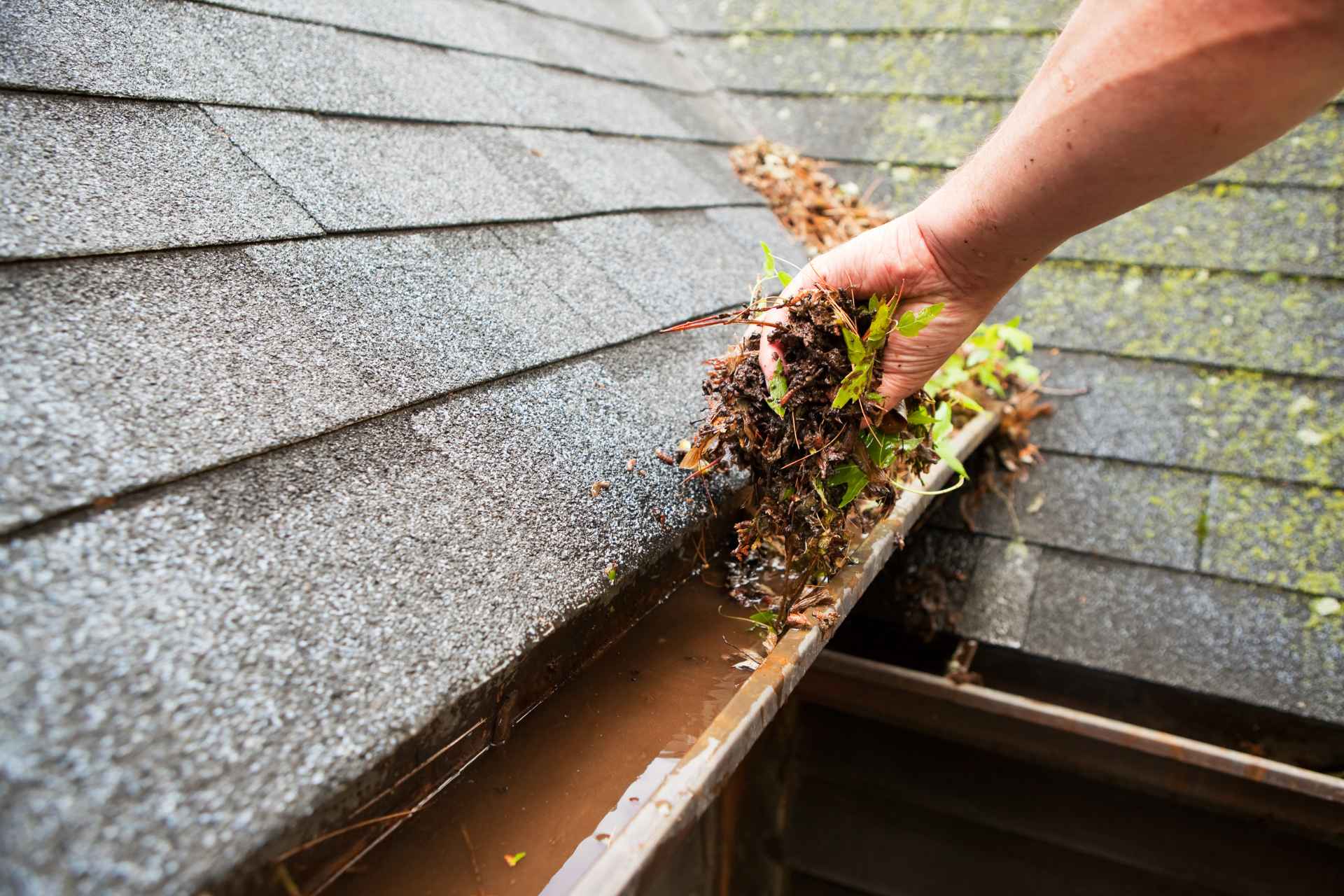
Water is a home’s number one enemy, and it almost always starts its journey from the top. When a failure occurs on the roof, it rarely stays there. It creates a chain reaction of damage that travels downwards, often manifesting in problems with windows and doors. A classic Canadian example is the clogged eavestrough. In the fall, gutters fill with leaves and debris. In the winter and spring, melting snow and ice cannot drain properly. This causes water to overflow, cascading directly down the wall and constantly soaking the window and door frames below. This relentless exposure overwhelms the window’s seals, leading to rot, mould, and leaks inside.
Another common issue is failed or missing flashing. Flashing is the metalwork that directs water away from joints, like where a wall meets a roofline or above a window. If a piece of flashing is missing or damaged, water running down the wall can get behind the window frame. This causes a leak that has nothing to do with the window itself. In winter, ice dams are a major culprit. Heat escaping from a poorly insulated attic melts snow on the roof. This water then runs down to the cold eaves and refreezes, creating a dam of ice. The ice dam forces subsequent meltwater up under the shingles and down inside the wall cavity. This often shows up as a water stain directly above a window or door.
What a Combined Inspection Uncovers That a Single One Misses
A water stain on the ceiling above a window is a perfect example of why a combined inspection is crucial. An inspector looking only at the window might diagnose a failed window seal as the problem. However, a professional who inspects both the roof and the window at the same time can trace the water path to its true source. They might discover the real culprit is a small leak in the roof flashing several feet above, or one of the other common roofing issues. This accurate diagnosis prevents a costly and ineffective repair. Replacing a window will not solve a problem that is actually starting on the roof.
This holistic approach allows for the identification of root causes, not just the treatment of symptoms. For example, the symptom might be a rotting wooden door threshold. An isolated inspection of the door would conclude that the door needs replacing. A combined inspection, however, might reveal that a consistently overflowing gutter directly above the door is the root cause of the problem. Replacing the door without fixing the gutter means the new door will suffer the same fate. This is why roof inspections are essential not just for the roof itself, but for the health of everything below it.
The Benefits of a Unified Approach: Saving Time, Money, and Headaches
A strategy of coordinated exterior upkeep provides numerous benefits. The most important is the early and accurate detection of systemic problems. A combined inspection gives a complete picture of the building envelope’s health. It allows a professional to connect the dots between a minor issue in one area and its potential impact on another. This prevents small, manageable problems from cascading into widespread, catastrophic damage that can cost tens of thousands to repair. Fixing a small roof leak and re-sealing a window is far cheaper. It is better than waiting until a leak causes so much damage that the entire window frame, surrounding drywall, and insulation need replacement.
This unified approach also leads to a more efficient and cost-effective repair plan. When a professional identifies multiple related issues at once, they can create a single, comprehensive plan. This is much more efficient than hiring a roofer one month and a window installer six months later. The work can be scheduled logically. Sometimes, a single skilled contractor can handle all the related repairs. This saves on mobilization costs and project management time. Ultimately, a clean bill of health for the entire building envelope provides a level of confidence and security that a piecemeal inspection simply cannot match.
The Homeowner’s Unified Walk-Around: A Simple Checklist
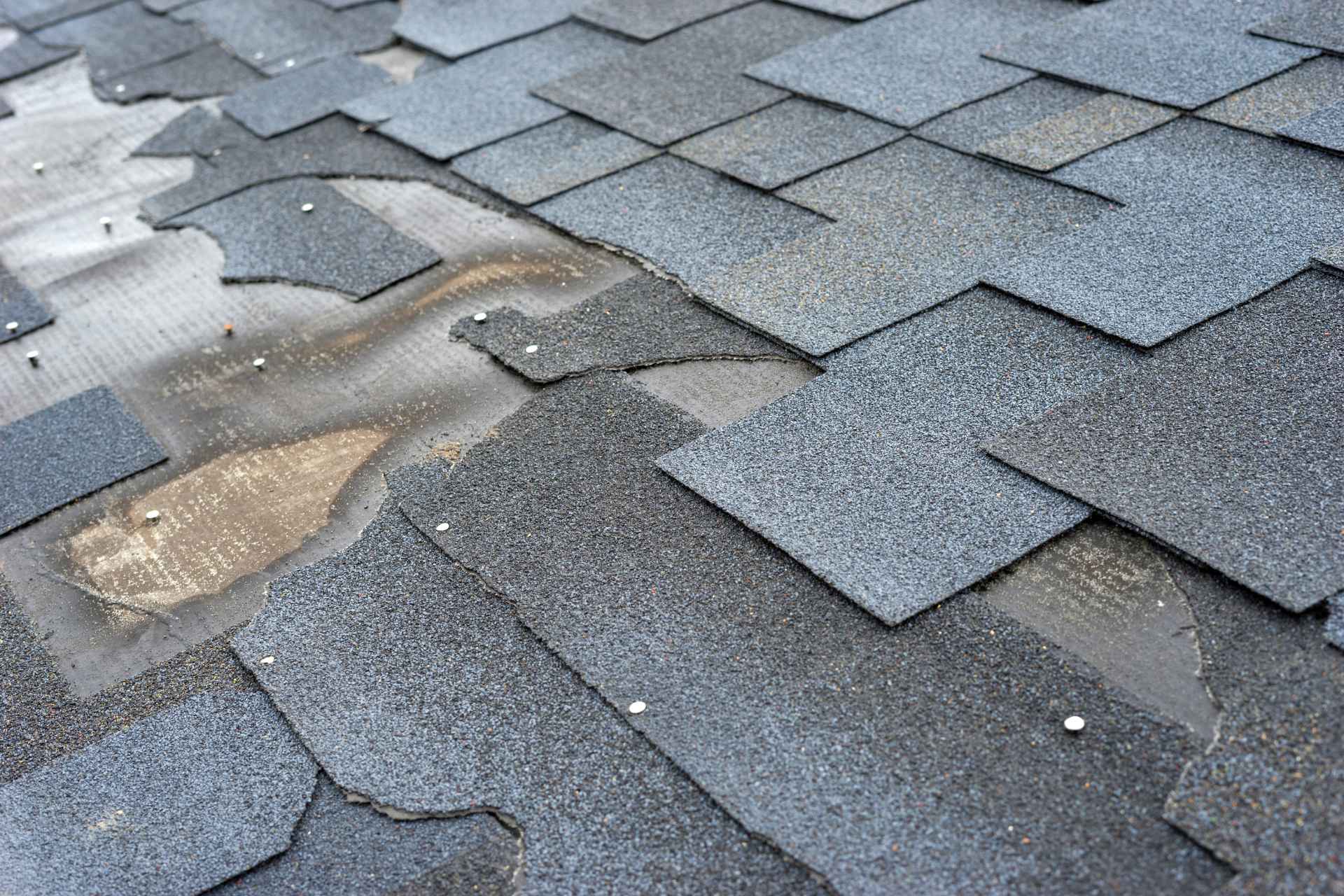
Homeowners can adopt this holistic mindset themselves by performing a simple, seasonal walk-around. From the ground, look up. Are the eavestroughs clean and free of debris? Are there any missing or curled shingles on the roof, particularly in the areas directly above windows? Are there any dark streaks on the siding that indicate a consistent, overflowing water path? This top-down view helps to spot potential roof-related issues that could be affecting the rest of the house.
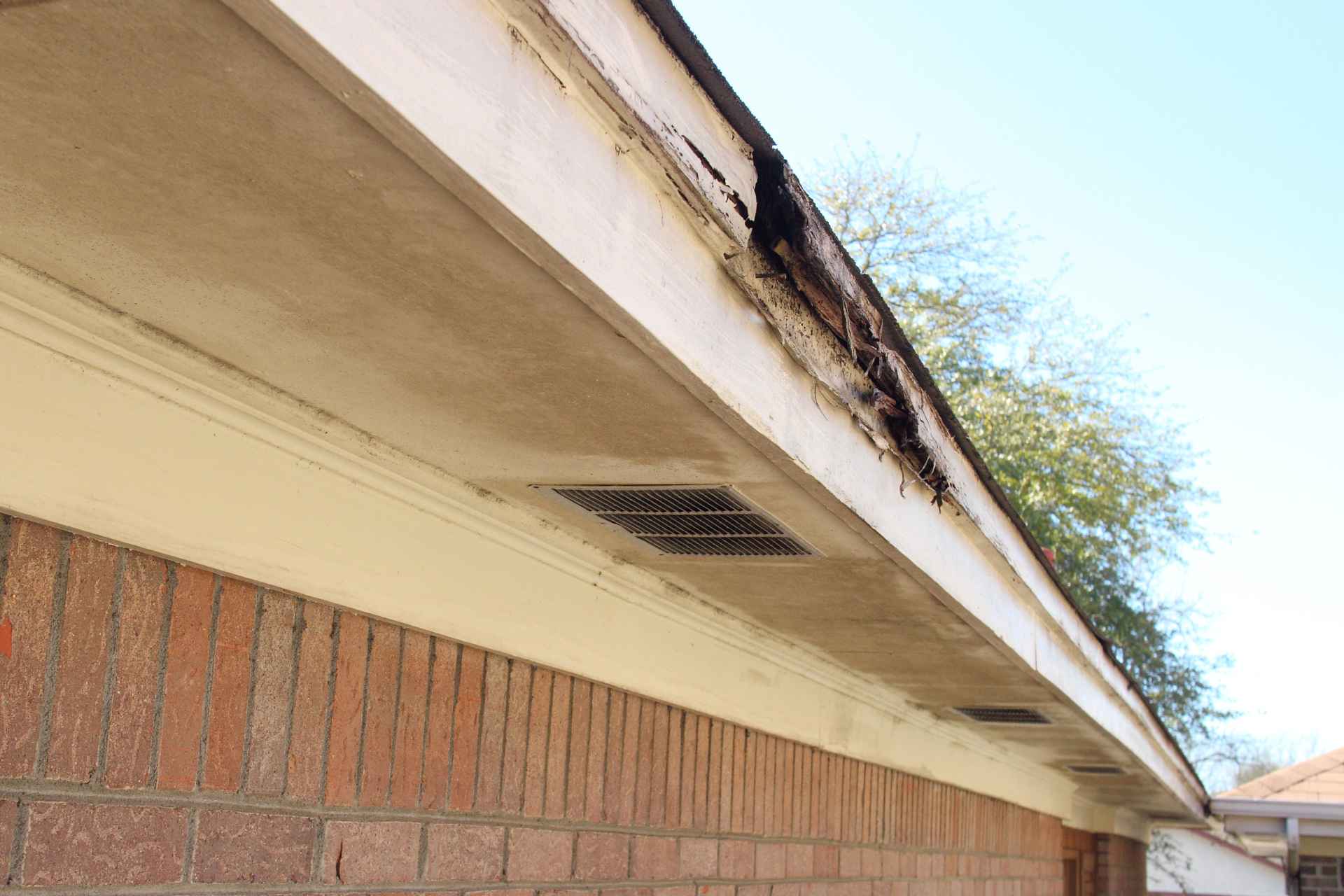
Next, focus on the windows and doors themselves. Check the exterior caulk for any visible cracks or gaps where it may have pulled away from the frame. Look closely at the sills. Is there any peeling paint or soft, punky wood that could indicate moisture damage? After a heavy rainstorm, it is also a good practice to check the attic for any signs of moisture or new leaks. Inside the home, look for any new water stains on the ceilings or walls, especially around the frames of windows and doors. These simple checks can help catch problems early.
Your Home’s Best Defence is a United Front
A home’s roof, windows, and doors are not individual components; they are a single, integrated defence system. They work as a team to protect the home from the elements, so they should be inspected as a team. This proactive, holistic approach is the smartest, most effective way to prevent water damage, save money, and preserve the home’s long-term value and structural integrity. By ceasing to think in terms of separate projects and starting to think about the health of the entire building envelope, homeowners can ensure their property remains a safe, dry, and secure sanctuary, no matter what the Canadian weather brings.