Fall is the critical “buffer season” for homeowners—the last window of opportunity to prepare a home’s roof before the harsh Canadian winter sets in. Once snow and ice arrive, it’s too late. The relentless freeze-thaw cycle, heavy snow loads, and destructive ice dams can turn minor, overlooked issues into major, costly emergencies. This is the ideal time to take preventive steps, and a trusted roofing company can help identify hidden issues early. Certain tasks, like a safe, low-pressure power washing, can remove moss, algae, and grime that trap moisture and contribute to serious problems once temperatures drop. This guide outlines the essential fall tasks—from the eaves to the attic—that will prevent winter leaks, ice dams, and save homeowners from mid-season disasters.
- The Visual Inspection: Spotting Trouble from the Ground
- Gutters & Downspouts: Your #1 Ice Dam Defence
- The Attic Check: The “Engine” of Your Roof System
- Trim Overhanging Branches: The “Physical Threat”
- Make Minor Repairs (Before the Freeze-Thaw Cycle Arrives)
- When to Call a Professional Roofing Company
- Don’t “Fall” Into a Winter Roofing Crisis
The Visual Inspection: Spotting Trouble from the Ground
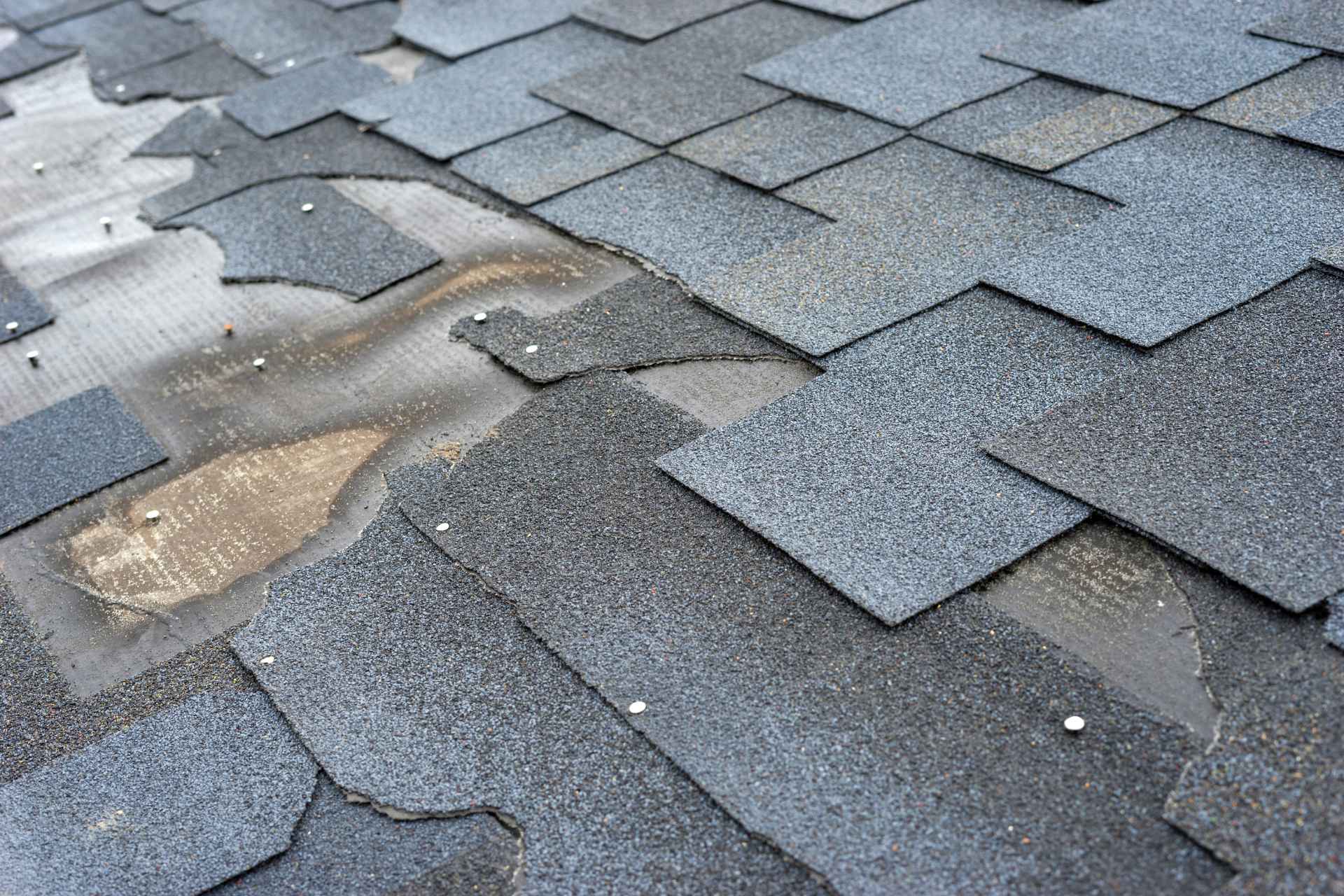
The first step in fall roof care is a simple, safe inspection. Most potential problems can be spotted from the ground with a good pair of binoculars. Look for any shingles that are missing, cracked, or have started to curl or buckle at the edges. These are “open wounds” that will let water in or be easily ripped off by a strong winter wind storm. Also, check the gutters for an accumulation of asphalt granules. A large amount of this “shingle sand” means the roof is aging and its primary layer of UV protection is gone, making it brittle and vulnerable.
Beyond the main surface, pay close attention to the “weak points.” Most roof leaks do not happen in the middle of the shingle field; they happen at the “junctions” where the roof meets a wall, chimney, or plumbing vent. Check the flashing (the metal strips) in these areas for any signs of rust, gaps, or old, cracked caulking. These are the most likely entry points for water. If an asphalt roof is older than 15 years, it is highly recommended to have a professional from a roofing company perform this inspection. They can give a realistic assessment of its remaining lifespan before winter exposes a critical weakness. This is the first step in ensuring roof maintenance prolongs your roof’s life.
Gutters & Downspouts: Your #1 Ice Dam Defence
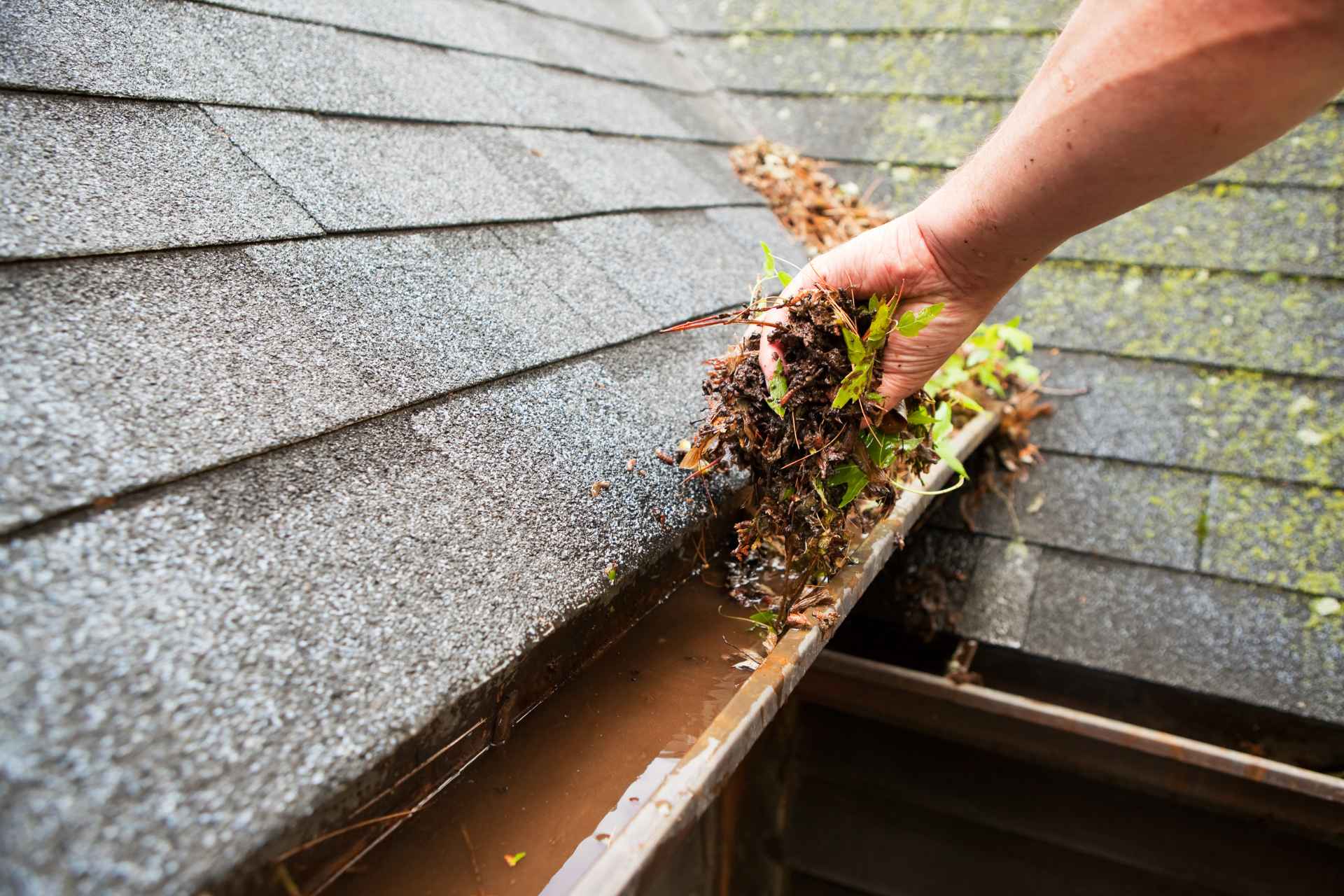
Thoroughly cleaning the gutters is arguably the single most important fall roof maintenance task. This job should be done after most of the leaves have fallen but before the first deep freeze. Clogged gutters are the primary and most preventable cause of ice dams. The chain of events is simple. Gutters clog with a dam of frozen leaves and debris. Meltwater from the roof (caused by the sun or attic heat) then has nowhere to drain. This water pools at the eave, overflows, and refreezes. This process forms a thick ridge of ice. This “dam” then traps all subsequent meltwater. This creates a pool that pushes up underneath the shingles, causing leaks, rot, and serious interior damage.
Cleaning only the horizontal gutters is not enough. After scooping out the debris, run a garden hose down the downspouts. This ensures they are completely clear. A blocked downspout at the elbow or base makes a “clean” gutter useless. This simple step also protects the rest of the home’s exterior. Gutter overflow splashes silt and water onto the siding. This leads to stains and moisture issues. It also dumps a concentrated volume of water directly against the foundation. This can contribute to basement leaks.
The Attic Check: The “Engine” of Your Roof System
A roof’s health and performance are dictated by the “engine” running beneath it: the attic. The goal of a winter-ready home is to achieve a “cold roof,” which means the roof deck stays the same temperature as the outside air. This is the only permanent way to prevent ice dams. This “cold roof” is created by two components working together: insulation and ventilation. First, check the insulation, or the “blanket,” on the attic floor. It must be deep, even, and meet or exceed local building codes (R-50 to R-60 in most of Canada). This thick barrier stops the expensive, paid-for heat from the living space from escaping into the attic.
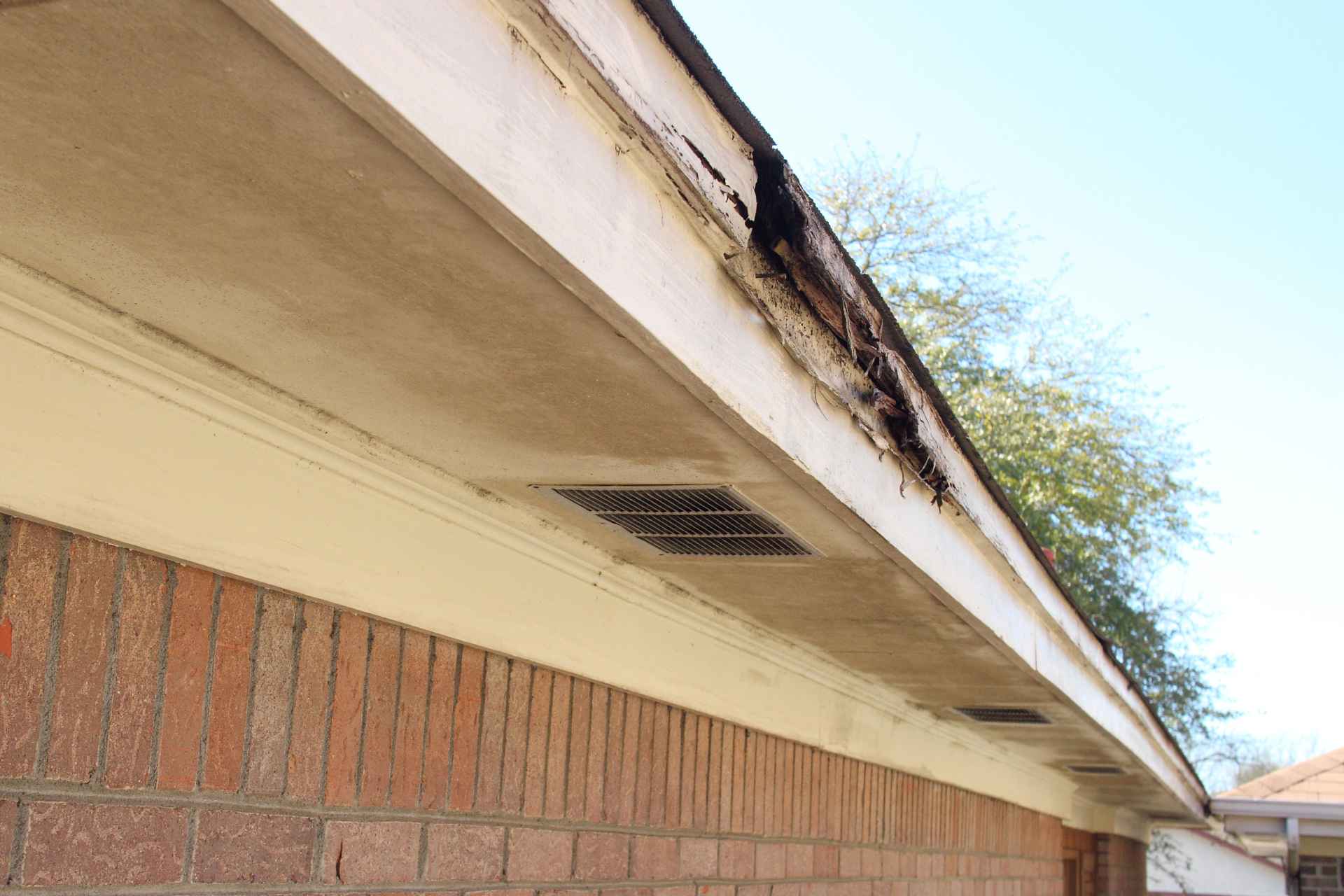
The second component, ventilation, acts as the “lungs” of the attic. It actively flushes out any small amount of heat that does get in. A balanced system requires cool, dry air to enter through soffit vents (at the eaves) and warm, moist air to exit through ridge or peak vents (at the top). This fall, homeowners must check their soffit vents. Ensure that insulation, paint, or debris do not block these crucial intakes. People often make a common mistake during insulation top-ups by accidentally covering these intakes. This action effectively suffocates the attic, traps heat, and causes the very ice dams the insulation was meant to prevent.
Trim Overhanging Branches: The “Physical Threat”
Overhanging tree branches pose two distinct risks to a roof, and fall is the perfect time to address them. The first threat is debris. Branches hanging over the roof are the “supply line” for the leaves, pine needles, and twigs that clog the gutters and lead to the ice dam cycle. Trimming them back simply means less time spent on a ladder and a lower risk of clogs.
The second threat is more direct and damaging. A branch, especially one laden with the heavy, wet snow of a Canadian winter, can easily snap. A falling limb can puncture the roof deck, tear off shingles, or crush the gutter system, causing thousands of dollars in damage in an instant. Proactively trimming all branches that are touching the roof or hanging directly over the roofline is a simple preventive measure that eliminates both the chronic debris problem and the acute risk of catastrophic damage.
Make Minor Repairs (Before the Freeze-Thaw Cycle Arrives)
The urgency of fall repairs comes down to one thing: beating the freeze-thaw cycle. This cycle is a roof’s worst enemy. A small, unsealed crack in a shingle or in the flashing allows water to get in. When the temperature drops, that water freezes and expands by about nine percent. This expansion forces the small crack to become a big crack. This cycle repeats all winter, blowing small, manageable problems wide open. This is why it is so important to weatherproof your roof in the fall.
The repair list should be based on the inspection. This includes replacing any missing or cracked shingles, applying a fresh bead of high-quality, exterior-grade elastomeric caulk to any gaps in the flashing, and nailing down any loose shingle tabs. If the inspection reveals significant moss or algae—which act like sponges, trapping moisture against the shingles—fall is the time to clean it. This must be done carefully with a professional, low-pressure power washing or a chemical treatment. High pressure will destroy the shingles. This cleaning must also be done early enough in the fall to allow the roof to dry completely before the first freeze.
When to Call a Professional Roofing Company
While gutter cleaning (from a safe ladder) and ground-level inspections are great DIY tasks, it is important to know when to call a professional. If a roof is steep, high, or if the homeowner is not 100% comfortable or safe on a ladder, the job should be left to an insured roofing company. Furthermore, if the visual inspection reveals significant issues—such as multiple missing shingles, soft or spongy spots in the roof deck, or major gaps in the flashing—it is time for an expert opinion.
A professional roofing company can spot subtle signs of structural issues, poor ventilation, or deck rot that an untrained eye would miss. They can perform repairs safely, correctly, and ensure they are code-compliant and will last. This is especially true for any roof over 15 years old, which needs an expert “lifespan assessment.” This is a perfect example of how you avoid costly repairs when you coordinate your exterior upkeep, as a professional can identify a small problem that, if fixed, will prevent a major failure.
Don’t “Fall” Into a Winter Roofing Crisis
Fall is the single most important season for roof care. It is the moment when proactive maintenance has the greatest impact. The simple steps of cleaning the gutters, sealing minor leaks, and ensuring the attic is properly insulated and ventilated are the keys to preventing destructive ice dams and stopping winter leaks. This is how roof maintenance prolongs your roof’s life and saves thousands in potential emergency repairs.
Do not wait for the first snowstorm to discover a problem. Use this checklist to protect this critical investment. For true peace of mind, schedule a professional fall roof inspection with a trusted roofing company today. An expert can ensure the home is 100% sealed, secure, and ready for whatever the Canadian winter brings.