As spring turns into summer across Canada, property owners shift their focus to seasonal maintenance. Getting your home ready for peak summer heatwaves usually involves clearing eavetroughs, testing your cooling systems, and tuning up landscaping gear. However, the most important protective shell on your house is often completely ignored until a sudden storm triggers a major indoor emergency. Before the intense July sun hits your neighbourhood, hiring a professional roofing company to execute a comprehensive surface audit is a highly intelligent preventative move.
Most people assume that winter ice, heavy snow loads, and torrential autumn rain are the primary threats to their home’s exterior envelope. Property owners will invest heavily in structural upgrades like a complete window replacement to improve energy efficiency, yet leave their roofs completely unprotected against the silent threat of solar radiation. The truth is that summer sunshine poses a massive threat to your structural longevity. Ultraviolet radiation acts like a slow-moving chemical fire that quietly alters the physical composition of your roof materials from the very first day they are installed.
The Quick Edit
- The Oil Evaporation: Intense summer solar radiation bakes the essential volatile oils out of asphalt shingle mats, leaving the substrate brittle, stiff, and prone to rapid cracking.
- The Commercial Threat: Flat commercial roofing systems experience intense solar degradation that target exposed rubber seams, causing dangerous structural blistering and membrane shrinkage.
- Proactive Protection: Property owners can easily shield their investments by maintaining continuous attic ventilation and applying advanced reflective coatings to bounce solar waves away.
The Shingle Sunscreen: Understanding Asphalt Chemistry
To understand how sunlight destroys a sloped roof, you must look closely at its chemistry. A standard asphalt shingle has a very specific formulation. These shingles are not solid pieces of tar. Instead, they are built around a core fiberglass mat. This mat is heavily saturated with asphalt.
The underlying asphalt mixture is packed with specialized volatile oils. These compounds give the shingle its structural flexibility and impact resistance. They also ensure high-performance, water-shedding capabilities over time. Without these vital oils, the shingle would fail quickly. It would instantly crack and break apart under normal wind loads and seasonal temperature movements.
The Canadian summer sun beats down on your roof during long June afternoons. This exposure drops massive doses of shortwave ultraviolet radiation onto the surface. These high-energy UV waves penetrate deep into the roofing material. Once inside, they slowly break down the long-chain hydrocarbons inside the asphalt matrix.
This chemical disruption creates a major structural problem. It forces the essential oils to break apart and evaporate into the surrounding air. This specific process results in a condition known as asphalt shingle uv damage. Over time, this degradation permanently dries out your primary water barrier.
As these oils disappear, the shingle loses its original elasticity. The dried-out shingle cannot flex naturally during rapid temperature shifts. Instead, the material becomes stiff, fragile, and incredibly brittle.
At this stage, the compromised substrate faces severe structural risks. It cannot handle the intense thermal shock of a sudden, cold summer thunderstorm. The sudden temperature drop forces the brittle material to contract too quickly. This sharp movement causes deep microscopic fractures to ripple across the surface, paving the way for eventual interior leaks.
From Home to Warehouse: The Commercial Roofing Reality
Solar degradation is not a problem restricted to residential sloped roofs. In fact, commercial roofing systems often bear an even heavier burden when it comes to long-term sun damage. Large retail plazas, industrial warehouses, and office complexes typically utilize low-slope or completely flat roof designs. These massive commercial footprints are covered in single-ply synthetic membranes. Installers routinely use EPDM rubber, TPO, or modified bitumen sheets. These materials sit completely exposed to direct sunlight all day long.
Flat roofs lack a steep pitch. Because of this, they cannot deflect any percentage of incoming solar radiation through clever angles. The sun hits these vast surfaces directly at a 90-degree angle during peak afternoon hours. This straight impact causes extreme thermal loading across the building.
This continuous exposure triggers severe commercial roofing solar degradation. The process specifically targets the critical seams where separate rubber sheets are glued or welded together. Over time, UV waves break down the adhesive polymers. This chemical failure causes the structural seams to dry out, curl up, and separate completely.
Furthermore, minor problems can accelerate the damage under a hot sun. Moisture sometimes gets trapped underneath a flat commercial membrane due to a poor installation or minor edge leaks. The intense summer sun heats the roof quickly. This solar heat causes that trapped water to boil and turn into water vapor.
The vapor expands rapidly in volume underneath the rubber layer. This expansion creates massive structural blisters across the smooth commercial surface. These blisters eventually pop under regular maintenance foot traffic or high winds. Once broken, they open up giant entry pathways for catastrophic water entry during the next storm cycle.
Spotting the Damage: Your Early Summer Roof Audit Checklist
Canadian property owners do not need an engineering degree to evaluate their property. You can easily spot the early warning signs of sun damaged roof shingles from safety. Executing a regular, ground-level visual audit with a pair of binoculars is highly effective. It helps you identify structural degradation before water manages to break through to your living room ceiling.
Start your home inspection by looking closely at your drainage systems. Check your downspout exit zones and gutter interiors carefully. Brand-new asphalt shingles are coated in a thick layer of crushed ceramic stone granules. These stones act like a structural sunscreen to protect the underlying asphalt from UV exposure.
The sun alters this connection over time. As solar rays dry out the asphalt oils, the shingle loses its chemical grip on these protective stones. This bonding failure results in heavy shingle granule loss. The physical loss causes piles of ceramic sand to wash down into your eave troughs. This process leaves the raw asphalt backing completely unprotected against the elements.
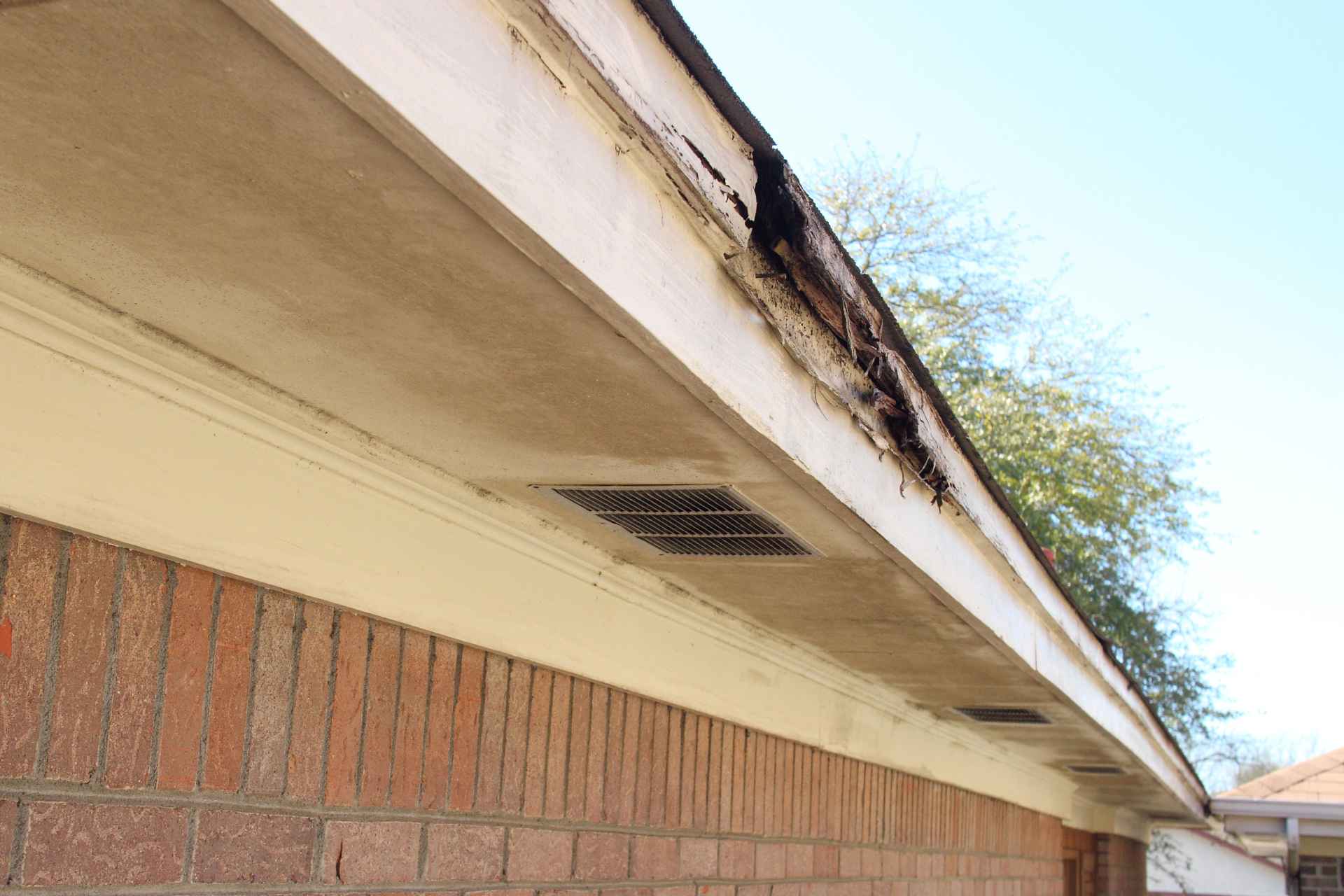
Next, examine the physical shape of the shingle edges along the perimeter of your roofline. The top layer of an asphalt shingle often dries out faster than the bottom fiberglass core. When this happens, the uneven shrinking forces the edges of the material to warp.
This distortion creates a visible defect known in the industry as cupping or clawing. The shingle corners curl upward or bend under themselves like claws. These warped shingles create open air pockets across your roof plane. They allow heavy summer winds to catch the loose material and easily rip entire sections off your home.
The Invisible Threat: Why Overcast Days Still Age Your Substrate
A dangerous misconception among many property managers is that roofs only experience solar degradation during scorching hot, clear summer afternoons. This belief leads people to ignore preventative care during mild, overcast, or foggy spring months. In reality, ultraviolet radiation is an invisible energy wave that does not rely on ambient outdoor temperatures or clear blue skies to cause severe material damage.
While clouds block a large percentage of visible light and infrared heat waves, they are highly transparent to high-frequency UV radiation. Up to 80% of total solar UV rays pass completely unobstructed through thick Canadian cloud cover and winter fog. This means your roof substrate is actively aging, drying out, and breaking down every single day of the year, regardless of what the weather channel reports.
The Sealant Hazard
UV waves do not just target shingles. They ruthlessly attack the soft polymer caulking used around your plumbing vents, skylights, and valley flashings. Failing to check these perimeter sealants every spring allows sun-baked, cracked joints to transform into active indoor water leaks during the first heavy rainstorm of the season.
Ignoring these dried-out perimeter sealants is a prime example of how people overlook small roof issues that turn into costly repairs down the road. Catching a split bead of caulking around a chimney flashing costs very little to scrape and patch in May. If left ignored through a hot summer, that single crack can allow gallons of rainwater to rot out your structural roof deck, requiring thousands of dollars in deep restoration work by autumn.
Proactive Defence: How to Protect Your Roof from Extreme Sun
Fortunately, homeowners and commercial property managers are not completely powerless against the effects of solar degradation. One of the most effective ways to combat intense solar radiation is by introducing advanced solar roofing systems to your property profile. These modern solar setups utilize heavy panels that absorb the brunt of incoming UV rays, converting that raw solar energy into clean electricity while keeping your primary roofing substrate completely shaded.
For properties where traditional bolt-on solar panels are not an option, upgrading your surface chemistry is an exceptional alternative. Commercial building managers can apply advanced elastomeric roof coatings that extend your roof’s lifespan by creating a highly reflective shield over old membranes. These white polymer coatings bounce up to 85% of direct solar waves back into the atmosphere, dropping surface temperatures by up to 30°C and halting UV aging entirely.
On residential homes, ensuring your attic ventilation system is perfectly balanced is a critical component of solar defence. When a roof lacks proper soffit intake vents or ridge exhausts, heat gets permanently trapped directly underneath the wooden plywood decking. This lack of airflow cooks the layers of the roof from the bottom up while the sun cooks them from above. Creating balanced, continuous airflow sweeps that trapped heat away, keeping your shingles cool and stable through peak summer heatwaves.
Beating the Summer Bake
A high-quality residential or commercial roof is designed to stand strong against the elements. However, it requires strategic care to survive decades of intense solar radiation. Ultraviolet waves will continuously work to dry out your binders, shrink your membranes, and compromise your critical flashing details. By learning to recognize granule loss, prioritizing regular inspections, and investing in modern reflective technologies, you can easily neutralize the effects of solar aging. Taking a proactive approach ensures your roof remains a high-performance, weather-tight shield for your property through every hot summer season.