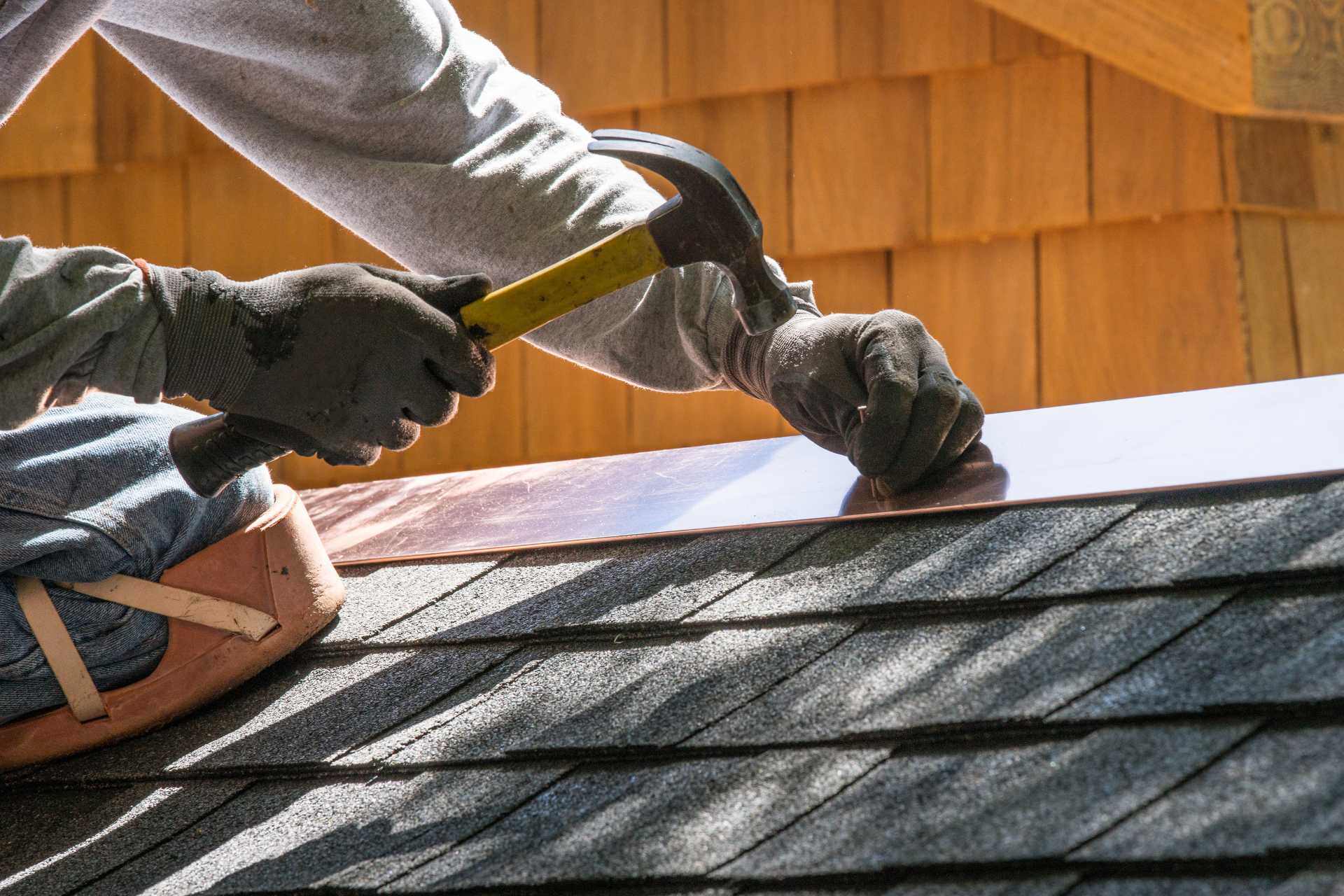
Selecting the right roofing contractor is essential to ensure quality and durability. At Belmar Roofing, we understand the importance of a trustworthy and skilled team.
A roof replacement or major repair is one of the most significant investments you will ever make in your property. Your roof forms the primary barrier between your loved ones, your valuable belongings, and the unpredictable external elements. Because the stakes are so high, the process of hiring a contractor should never be rushed or based solely on the lowest price tag.
The roofing industry is highly competitive, and while there are many exceptional craftsmen, there are also cut-rate operations that rely on subpar materials and hurried labour. Navigating this landscape requires a strategic approach. By knowing exactly what questions to ask, what credentials to verify, and what warning signs to watch out for, you can protect your financial investment and ensure your home receives a high-performance system built to stand the test of time. Let’s explore the factors to consider when choosing a contractor for your roofing needs.
Look for Experience and Credentials
Experience matters when it comes to roofing. A contractor with years of experience, like Belmar Roofing, is better equipped to handle different roofing challenges. Always verify their credentials and make sure they’re licensed and insured for your protection.
An experienced contractor brings a deep pool of practical knowledge that cannot be replicated by a newly formed business. Over years of active field service, seasoned roofers encounter every imaginable structural complication, from ancient, rotting roof decks to complex architectural geometries and unique flashing requirements around historical chimneys. This background allows them to spot underlying issues early and implement permanent structural solutions rather than temporary fixes.
Furthermore, verifying credentials is your most critical line of legal and financial defence. A reputable roofing company will gladly provide proof of comprehensive general liability insurance and active workers’ compensation coverage. Liability insurance protects your home and property from accidental damage during construction, while workers’ compensation ensures that you are entirely insulated from legal or financial responsibility if a crew member is injured on your property. Never settle for verbal assurances; always ask for valid, up-to-date certificates.
Consider Their Reputation and Reviews
Word of mouth and online reviews offer valuable insight into a contractor’s reliability. Positive reviews and high ratings indicate quality service. Research reviews on trusted sites or ask for referrals to get a clear picture of their reputation.
In the digital age, a company’s past performance is highly visible. When you audit a contractor’s reputation, look for consistency across multiple platforms, including Google Business Profiles, the Better Business Bureau (BBB), and specialized home service review aggregates. Pay close attention to how a company responds to feedback. A business that handles a rare negative review with professionalism, accountability, and a clear desire to resolve the issue often proves to be more trustworthy than one with a completely flawless, unverified record.
Additionally, do not hesitate to ask a prospective contractor for local references from projects completed within the past year. Speaking directly with past clients allows you to ask specific questions about the crew’s punctuality, how cleanly they maintained the job site, and whether the project was completed on schedule. A business with deep roots in your community will always take pride in sharing its successful track record.
Assess Their Communication and Transparency
A good contractor communicates effectively. They provide clear estimates and timelines. They should also answer your questions and explain their processes. Transparent communication ensures that you stay aware of every project stage. Ultimately, this approach fosters trust and clarity.
The quality of a contractor’s early communication serves as a direct indicator of the future. It shows exactly how they will manage your entire project. Some companies take days to return your introductory phone calls. Others provide vague answers to technical questions or pressure you into an immediate decision. You should treat these behaviours as significant warning signs.
Professional roofing companies prioritize education and transparency. They take the time to thoroughly explain the differences between various shingle grades. They also detail the importance of proper attic ventilation layouts. Finally, they map out exactly how they will protect your landscaping during the tear-off process. You should always feel comfortable asking questions. In return, you should receive clear, straightforward answers that leave no room for ambiguity. When a contractor keeps you informed at every milestone, it eliminates the anxiety of home renovations. This open dialogue builds a collaborative partnership based on mutual respect.
Request a Comprehensive Quote
A comprehensive quote includes costs for materials, labour, and other potential charges. At Belmar Roofing, we offer clear, detailed estimates to help you plan your budget without surprises. Be wary of contractors who provide vague or overly low quotes, as these could lead to hidden fees later on.
A professional roofing estimate should always be a detailed, written document rather than a handwritten number on the back of a business card. A truly comprehensive quote breaks down the project into specific line items. It should clearly state the brand and style of shingles or metal panels being used, the specific types of underlayment and ice-and-water shields chosen, the ventilation fixtures included, and the exact cost of labour. It must also explicitly detail how the contractor will calculate charges if they discover hidden rotted plywood decking beneath your old shingles.
Be exceptionally cautious when reviewing bids that come in significantly lower than the market average. These lowball quotes usually indicate that the contractor is cutting corners somewhere, whether by using cheap materials, hiring untrained subcontractors, or omitting required building permits. Insisting on total clarity upfront protects you from unexpected mid-project price hikes and ensures you are comparing competing bids on an identical scale.
Choose a Contractor with a Quality Warranty
Quality roofing work should come with a solid warranty, covering both materials and workmanship. A reliable contractor like Belmar Roofing stands behind their work, offering warranties to give you peace of mind and long-term protection.
When evaluating a roof warranty, it is vital to understand that you are looking at two entirely separate layers of protection. The first layer is the manufacturer’s product warranty, which covers defects in the physical shingles, metal panels, or underlayment membranes themselves. The second, and often more critical layer, is the contractor’s workmanship warranty, which covers the actual labor and installation execution.
Even the most expensive, top-tier roofing material will fail prematurely if it is fastened incorrectly, if flashing is poorly sealed, or if valley membranes are misaligned. A workmanship warranty proves that a contractor has absolute confidence in the skills of their crew. Companies with factory-certified installation statuses can often offer extended, non-prorated manufacturer warranties that cover both materials and labour for decades. Securing a comprehensive, written warranty package guarantees that your financial asset remains fully protected against installation errors long after the crew leaves your property.