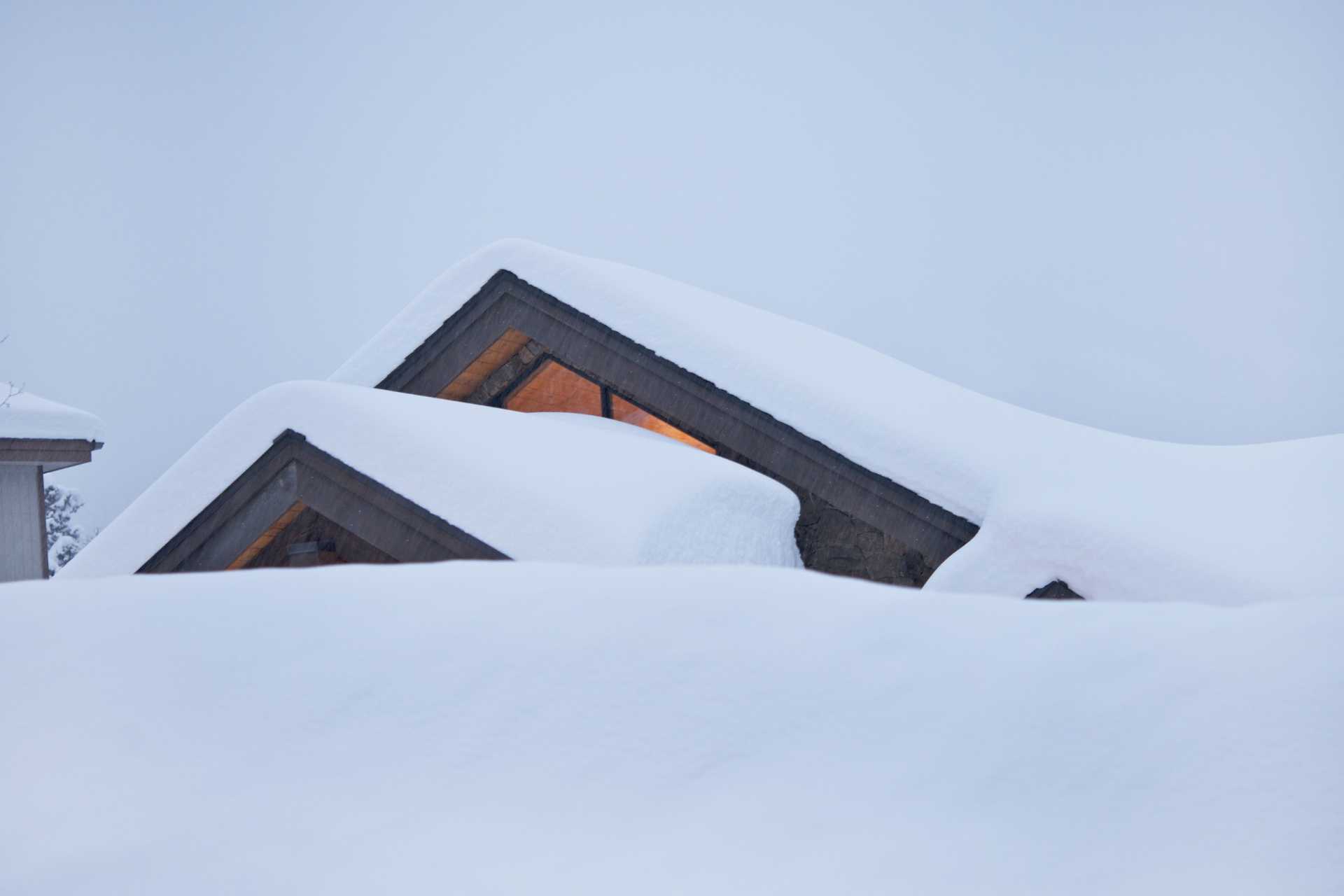
When a thick ridge of ice forms along the eaves of a Canadian home, it often appears as a picturesque winter scene. However, these formations, known as ice dams, are far from decorative. They represent a significant failure in the home’s thermal management system. While many homeowners assume the problem lies with the shingles, a reputable roofing company will often point toward the attic. These issues sometimes become more apparent after other home upgrades. For example, a high-quality window replacement might seal the lower levels of a house so effectively that heat-loss patterns in the attic become much more pronounced.
Understanding why these dams form is the first step toward protecting the structural integrity of the property. An ice dam is essentially a wall of ice that prevents melting snow from draining off the roof. The resulting backup of water creates a cycle of destruction that can ruin shingles, gutters, and interior ceilings. This discussion focuses on the root causes of the “melt-and-refreeze” cycle. By identifying these thermal imbalances, homeowners can move beyond treating the symptoms and address the underlying problem at its source.
The Anatomy of an Ice Dam: How the Cycle Begins
A stark temperature differential across the roof deck drives the formation of ice dams. This occurs when the upper portion of the roof is warmer than the eaves or overhangs. In a healthy system, the entire roof remains at a uniform, cold temperature. However, when heat from the living space escapes into the attic, it warms the underside of the roof deck. This creates a “warm peak.” Meanwhile, the eaves remain at freezing temperatures because they extend beyond the heated walls of the house.
As the snow on the upper roof melts due to this escaping heat, gravity pulls the liquid water down toward the gutters. Once this water reaches the freezing eaves, it turns back into solid ice. This process repeats throughout the winter, causing the ice ridge to grow larger and thicker with every snowfall. Eventually, this ridge becomes a literal dam. It traps pools of liquid water behind it, which have nowhere to go but up and under the shingles. This is a primary example of how extreme cold affects your roof by exploiting thermal weaknesses.
The Core Culprits: Insulation Gaps and Air Leakage
The presence of ice dams is almost always a sign of inadequate attic insulation or significant air leakage. Insulation serves as the primary barrier that keeps heat within the living spaces of the home. When insulation is thin, degraded, or missing in certain spots, heat migrates easily into the attic space. Furthermore, “thermal bypasses” often exacerbate the issue. These are hidden gaps around chimneys, light fixtures, or plumbing stacks that allow warm air to bypass the insulation entirely. This unregulated heat rise turns the attic into a furnace that melts roof snow prematurely.
Ventilation plays an equally critical role in this dynamic. Even the best insulation may allow some heat to seep through. A proper ventilation system, consisting of intake vents at the soffits and exhaust vents at the ridge, should sweep this residual heat away. This process keeps the roof deck cold and prevents the melting process from starting. If the attic is “hot,” the melt-and-refreeze cycle is inevitable. Ensuring that the attic remains cool is a vital way to make sure the roof is prepared for the winter and its heavy snow loads.
The Hidden Destruction: Why Ice Dams are So Damaging
The damage caused by ice dams is rarely limited to the exterior of the home. Once water pools behind the ice ridge, it finds its way into the smallest gaps in the roofing materials. Asphalt shingles are designed to shed water moving downward. They are not engineered to withstand standing, pressurized water that is forced upward beneath the tabs. Once the water penetrates the underlayment, it enters the attic space. This leads to saturated insulation, which loses its R-value and becomes a breeding ground for mould.
Over time, this moisture infiltration rots the structural wood framing, including the rafters and roof trusses. The weight of the ice itself can also be catastrophic for the drainage system. Heavy ice blocks often pull gutters away from the fascia board or cause them to buckle under the strain. This is why consistent gutter maintenance is important for your roof’s lifespan, as it ensures that the system is strong enough to handle winter stress. If left unaddressed, the water will eventually stain interior ceilings and walls, leading to expensive restoration costs.
The Long-Term Structural Risk
Chronic exposure to ice dams can significantly shorten the overall lifespan of a roofing system. When water freezes and thaws repeatedly inside the roof assembly, it expands and contracts. This mechanical stress can loosen nails and cause shingles to become brittle and crack. A roof that should have lasted twenty-five years may fail in fifteen if it is subjected to severe damming every winter. The structural risk also extends to the home’s foundation if melting ice is not properly diverted away from the house once the thaw begins.
Beyond the physical wood rot, the presence of trapped moisture promotes the growth of wood-destroying fungi. This can weaken the entire roof deck, making it unsafe for heavy snow accumulation. Homeowners often notice that their energy bills spike during winters with heavy ice damming. This is because the wet insulation in the attic can no longer hold heat, forcing the furnace to work much harder to maintain a comfortable temperature. Addressing these thermal failures is essential for both the safety and the financial health of the household.
Identifying the Warning Signs
Preventing ice dams requires a proactive approach to home maintenance. Homeowners should look for “clues” on their roofs after a fresh snowfall. If the snow melts quickly over the peaks of the house but remains thick at the eaves, heat is likely escaping. Large, heavy icicles that form only in specific spots—rather than uniformly across the house—often indicate localized air leaks in the attic. These signs provide a roadmap for where insulation needs to be reinforced or where air sealing is required.
Consulting with a professional to perform an attic energy audit is a wise investment. This process identifies exactly where the building envelope is failing. By sealing air leaks and upgrading insulation to modern standards, the root cause of the ice dams can be eliminated. This ensures that the home remains a “cold roof” environment, where snow stays frozen until the ambient temperature rises naturally. Taking these steps protects the roof from the top down and secures the home against the most punishing aspects of the Canadian winter.
Breaking the Ice is for First Dates, Not Your Eaves!
Ice dams are a thermal management issue, not just a roofing material failure. The melt-and-refreeze cycle is fueled by escaping heat and inadequate ventilation, leading to structural rot and shingle damage. Addressing these root causes through proper insulation and air sealing is the only way to protect the home permanently. Do not treat ice dams as a recurring seasonal nuisance; treat them as a signal to secure the home’s thermal envelope before the next deep freeze arrives.