For a building owner or facility manager in 2026, the commercial flat roof is not just a structural cap. It is a critical component of the building’s energy and operational efficiency. Selecting a membrane that can withstand the extreme temperature fluctuations of the Canadian climate while meeting modern 2026 environmental standards is a significant challenge. Partnering with a specialized roofing company early in the planning phase is essential to ensuring the chosen system matches the building’s specific use case and structural load requirements.
From a long-term capital expenditure perspective, the roof is a high-stakes asset. Consider the rise of specialized hospitality ventures; a modern indoor golf simulator business, for instance, requires a massive, climate-controlled open space with high ceilings and zero tolerance for leaks that could damage sensitive electronics or premium turf. Just as that business owner must invest in the highest-grade technology to remain competitive, a property manager must prioritize the building’s envelope. The roof is one of the most expensive assets to replace on a commercial balance sheet. Therefore, the goal of any installation must be to maximize the system’s lifespan through proper material selection and preventative care.
EPDM Flat Roof Installation
Ethylene Propylene Diene Terpolymer (EPDM) is a synthetic rubber membrane. It has been a staple of the commercial industry for decades. The material is favoured for its high elongation and exceptional weather resistance. In 2026, EPDM remains a top choice for northern climates. This is because it stays flexible in temperatures as low as -45°C.
Because EPDM is a black membrane, it naturally absorbs solar heat. This can be an advantage during the Canadian winter. It helps melt snow and ice more quickly than reflective roofs. However, this same heat absorption can put stress on the building’s cooling system during the summer months. To ensure longevity, the seams must be double-taped or reinforced. These joints are the most common point of failure over a 20-year period.
Furthermore, EPDM is often chosen for its environmental profile. In 2026, many rubber membranes are fully recyclable at the end of their service life. This aligns well with corporate sustainability goals. The installation process is also relatively low-impact. It often utilizes cold-applied adhesives. These eliminate the need for open flames or heavy welding equipment on the job site. This makes it an ideal candidate for buildings in dense urban centers. In these areas, safety and noise ordinances are strictly enforced.
TPO Flat Roof Installation
Thermoplastic Polyolefin (TPO) is a single-ply reflective roofing membrane composed of polypropylene and ethylene-propylene rubber. It has become the dominant choice for 2026 LEED-certified buildings and commercial properties looking to reduce high HVAC cooling costs. Unlike EPDM, TPO is typically white or light grey, allowing it to reflect UV rays away from the building.
The primary advantage of TPO is its heat-welded seams. Unlike systems that rely on adhesives, TPO panels are fused together using a hot-air welder, creating a monolithic surface. This makes it highly resistant to the damage caused by the freeze-thaw cycles that characterize the Canadian spring. By reflecting heat, TPO keeps the roof surface temperature much closer to the ambient air temperature, reducing thermal expansion.
In 2026, TPO technology has advanced to include enhanced polymer formulations that resist “chalking” and erosion more effectively than earlier generations. For businesses like the aforementioned indoor golf simulator centers, TPO provides the added benefit of keeping the structure significantly cooler during the peak of summer, directly translating to lower energy bills and a more comfortable experience for customers.
Modified Bitumen Roof Installation
Modified Bitumen is an evolution of the traditional built-up roof (BUR). It uses asphalt with added modifiers—usually SBS (Styrene-Butadiene-Styrene) or APP (Atactic Polypropylene)—and is reinforced with layers of fibreglass or polyester. This multi-layered approach makes it the “heavy-duty” option among commercial systems.
Modified Bitumen is the preferred choice for commercial roofs that host heavy HVAC equipment or require frequent foot traffic. The redundant layers of protection provide a safety net. Even if the top cap sheet is damaged, the underlying base sheets continue to provide water resistance. This is particularly important if the roof suffered significant winter damage from heavy ice accumulation.
The multi-ply nature of Modified Bitumen also provides superior resistance to mechanical damage, such as hail or wind-blown debris. In 2026, these systems are often installed using cold-applied adhesives or “peel-and-stick” technology, which reduces the fumes and fire risks historically associated with hot-tar applications. For industrial warehouses or manufacturing plants with heavy rooftop machinery, the density of a Modified Bitumen system offers the most robust protection available.
The Critical Role of Spring Roof Inspection and Maintenance
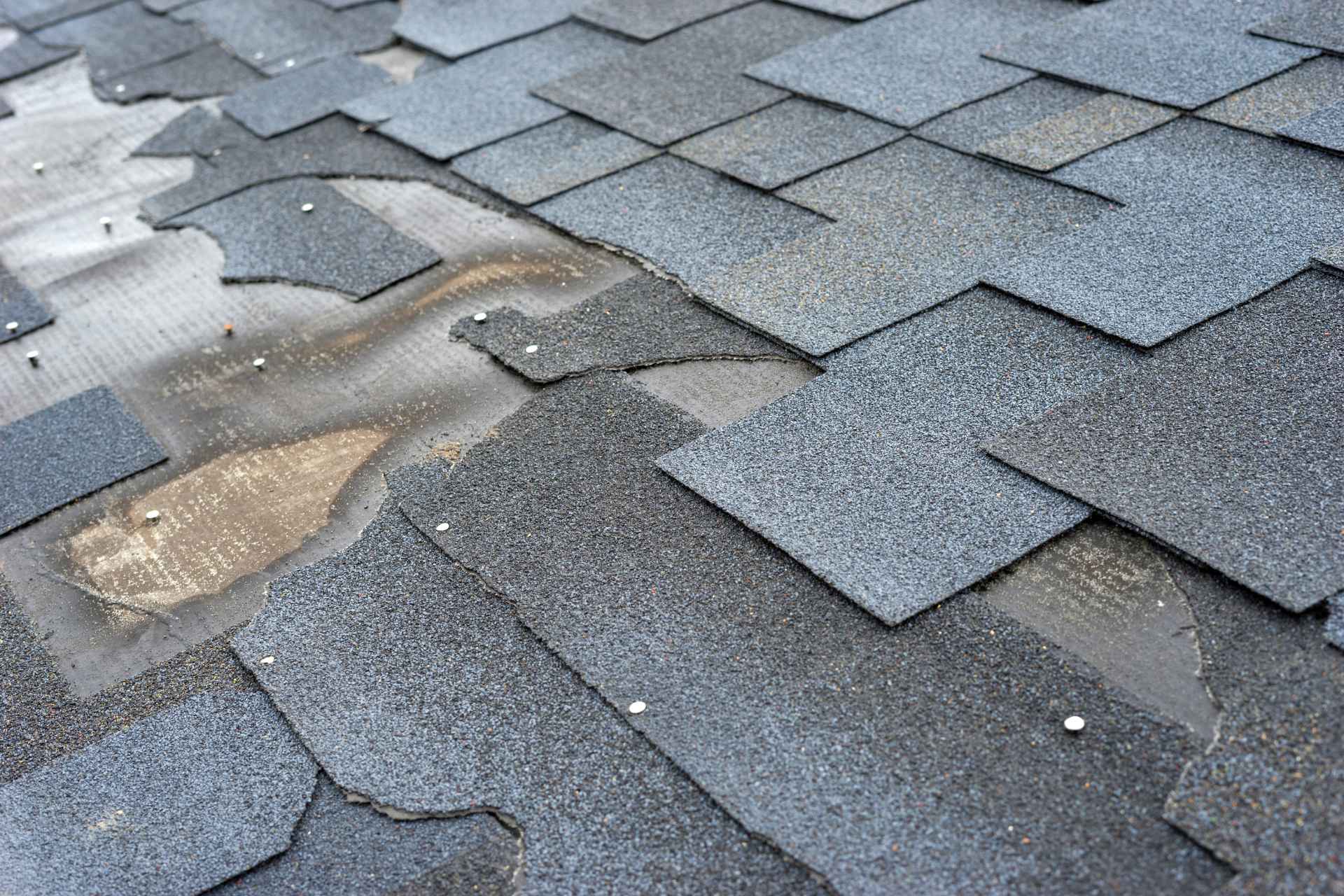
In 2026, spring roof inspection and maintenance have become the primary defence against premature failure. The transition from winter to spring is the most volatile period for a flat roof. As ice melts and water pools (ponding), it exerts hydrostatic pressure on the seams. A professional inspection identifies these “stress points” before they turn into active leaks that can damage expensive interior inventory or equipment.
Furthermore, commercial roof inspections are trending toward “preventative” rather than “reactive” models. By using infrared thermography and moisture sensors during a spring walk-through, technicians can catch “micro-leaks” in the insulation before they are visible from the ceiling. This data-driven approach allows managers to patch specific sections rather than facing a total system failure. In 2026, many property managers also utilize drone technology to capture high-resolution imagery of the roof surface, allowing for more frequent and safer assessments of the membrane’s condition.
Financial Longevity: Maintenance vs. Replacement
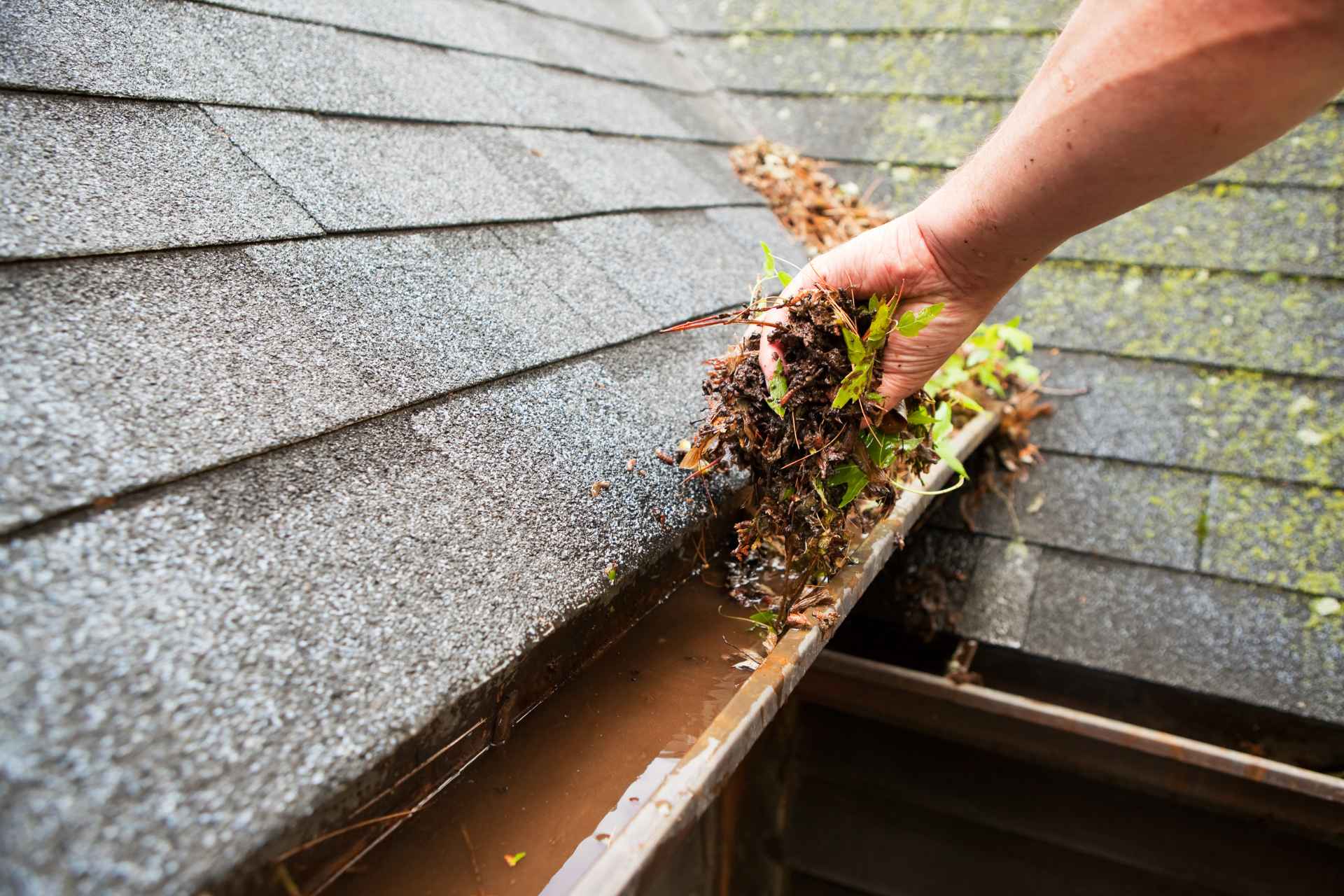
The financial implications of maintaining the roof cannot be overstated. A well-maintained TPO or EPDM system can easily reach 25 to 30 years of service. Conversely, a neglected roof often fails in half that time. Small interventions—such as clearing internal drains of winter debris, resealing vent boots, and touching up perimeter flashing—represent a fraction of the cost of a major intervention.
However, a professional audit also provides a clear-eyed look at when the “patchwork” is no longer viable. If more than 25% of the roof insulation is saturated, or if the membrane has lost its chemical elasticity, a full roof replacement is the only safe financial move for 2026. Replacing a roof on your own terms is always more cost-effective than an emergency replacement following a catastrophic leak during a spring storm.
For commercial entities, the 2026 tax landscape also offers potential incentives for upgrading to more efficient systems during a roof replacement. These incentives can significantly offset the upfront cost of high-reflectivity TPO or long-lasting EPDM, making the long-term ROI even more attractive for savvy investors.
Mitigating the “Freeze-Thaw” Effect
The Canadian climate presents a unique mechanical challenge known as the freeze-thaw cycle. During a typical spring day, meltwater may fill small depressions or gaps in the roofing membrane. As temperatures drop overnight, this water freezes and expands. This expansion acts as a literal wedge, prying apart seams or widening existing punctures.
Modified Bitumen and TPO handle this stress differently. Modified Bitumen relies on its multi-layer thickness to resist the prying force, while TPO’s heat-welded seams are chemically fused to move as one cohesive unit. EPDM, being highly elastic, can often stretch to accommodate the expansion, but it relies heavily on the integrity of its adhesive tapes. Understanding these mechanical properties is why an April inspection is so critical. It allows a roofing company to identify and seal these microscopic entry points before the next cycle begins.
Making the Data-Driven Decision
In 2026, there is no single “perfect” flat roof. There is only the right roof for each specific building. If your primary goal is cold-weather durability, EPDM is a proven winner. If you are focused on energy mandates and reducing cooling loads, TPO is the modern standard. For buildings that require a rugged, high-traffic surface with multi-layer redundancy, Modified Bitumen remains the powerhouse choice.
Regardless of the system chosen, the key to protecting your investment is professional installation. You must also commit to biannual inspections. By understanding the technical strengths of these materials, building owners can ensure they select a safe system. This approach accounts for the specific risks posed by the Canadian spring. It ensures efficiency and a maximum lifespan in the challenging 2026 commercial environment.