After a heavy rainfall, it is common to notice puddles on the walkway, a new channel carved through the garden mulch, or damp spots near the foundation. Many homeowners dismiss these as minor annoyances, but they are often symptoms of a much larger issue starting at the very top of the home. When heavy rain pours off a poorly drained roof, it does not just pool near the foundation—it can also lead to erosion, cracking, or water damage across the property, including the asphalt driveway. The journey of a single raindrop from the roof to the ground can have a significant impact on a home’s health and value. A professional roofing company helps homeowners control this flow, protecting their entire property with smart water management solutions.
Understanding Roof Runoff: More Than Just Rain
Roof runoff is the large volume of water from rain or snowmelt that flows off the roof’s surface. The sheer scale of this water flow is often underestimated. A modest 1,500-square-foot roof can shed nearly 3,500 litres of water during a single inch of rainfall. This is not a gentle trickle; it is a powerful force that must be managed with an engineered system. A home’s roof is designed not just as a cover, but as the first and most important component of this water management system, built to handle this immense volume and direct it safely away from the structure.
The different components of a roofing system work together to control this flow. The roof’s pitch, or slope, is designed to shed water quickly and prevent it from pooling. Gutters act as the primary collection channels, catching the thousands of litres of water at the roof’s edge. Downspouts are the vertical pipes that then carry this collected water safely from the gutters down to the ground. This is a carefully designed system, and a failure in any one of these parts can cause a cascade of problems for the property below, turning controlled roof runoff into a destructive force.
The Ripple Effect: Common Problems Caused by Poor Drainage
When roof runoff is not controlled, it saturates the ground directly next to the foundation. This water-logged soil creates immense hydrostatic pressure, which is the force of water pushing against the basement walls. Over time, this pressure might cause foundation cracks, leading to basement leaks and long-term structural instability. The constant splashing and overflowing from clogged gutters can also damage siding, stain brickwork, and cause rot in the sensitive areas around window and door frames, compromising the home’s protective envelope from the outside in.
The damage from uncontrolled roof runoff extends far beyond the house itself. The concentrated flow of water can erode expensive garden beds, wash away topsoil and mulch, and create unsightly trenches in the lawn. Hardscaped surfaces are also highly vulnerable. For an asphalt driveway, excess water seeping into the sub-base can soften it, leading to the development of soft spots, alligator cracking, or potholes. In winter, this trapped water freezes and expands, causing significant damage. The same is true for interlocking stone patios and walkways, which can shift and become uneven when the base material is washed away by persistent roof runoff.
Taking Control: How to Prevent Roof Runoff Damage
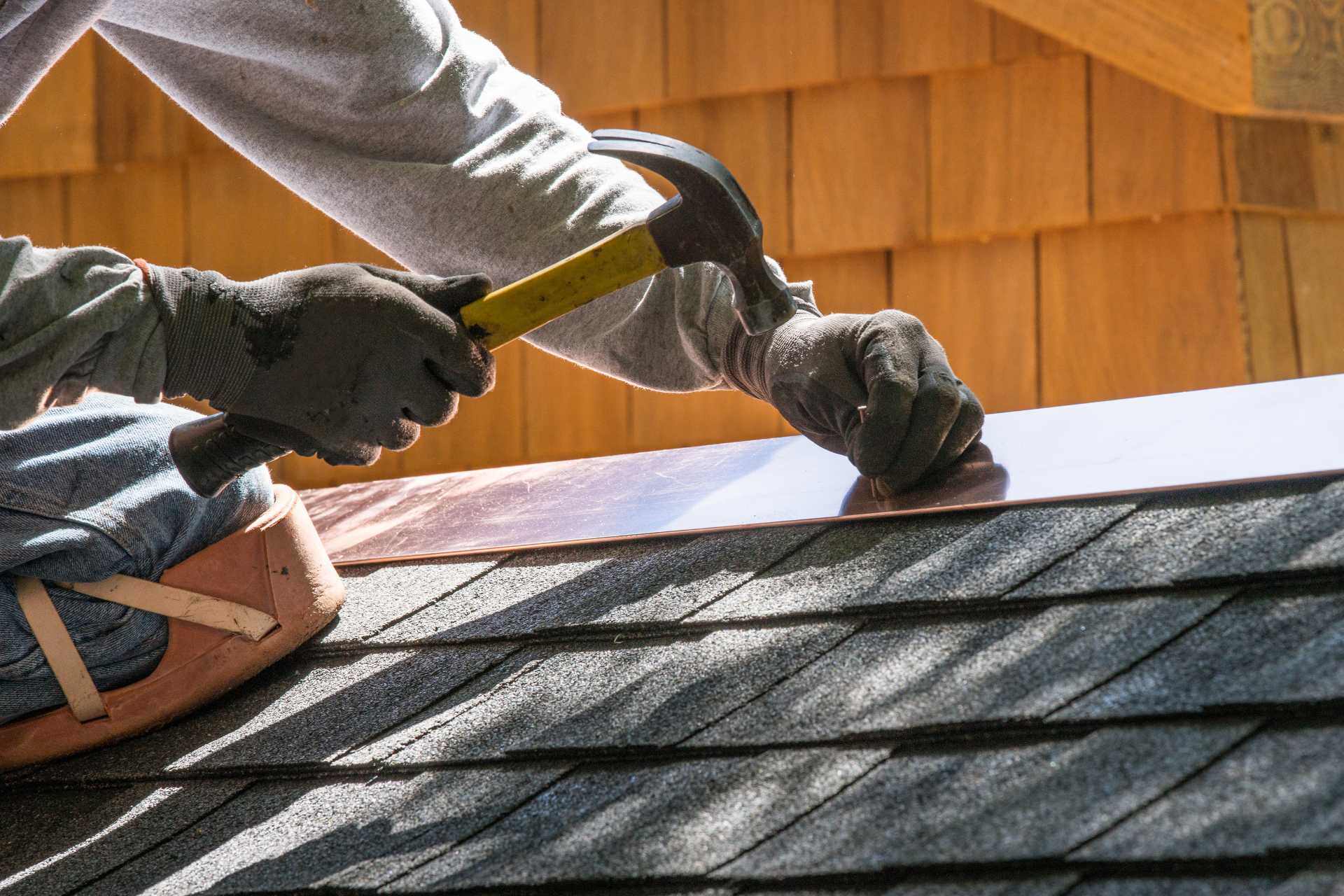
Managing roof runoff effectively starts with a clean and functional gutter system. Clogged gutters are the top cause of overflow and drainage issues. Leaves, twigs, and other debris must be cleared out at least twice a year. This should happen in the spring and fall. Downspout extensions are another powerful tool. Use them to direct water at least four to six feet away from the foundation. This prevents soil saturation near the house. The health of the roof surface, including the flashing, also helps direct water correctly.
Ground-level solutions complement the roof’s drainage system. The property needs “positive grading.” This means the ground around the foundation should slope away from the house. This encourages water to flow outwards. For persistent drainage problems, simple landscaping fixes can help. Creating a gentle swale or installing a French drain can capture and redirect water. These solutions channel water to a safer part of the yard. They manage the water after it leaves the downspout, completing its journey.
Long-Term Protection: The Value of Professional Oversight
Homeowners can benefit greatly from scheduling seasonal roof and gutter inspections with a professional. An expert can spot issues that an untrained eye might miss, such as improperly sloped gutters that hold water, subtle damage to flashing, or early signs of shingle deterioration that could affect runoff patterns. This proactive approach allows minor issues to be identified and resolved before they can lead to thousands of dollars in repairs to the foundation, driveway, or landscaping. A small investment in a professional inspection is one of the smartest preventative measures a homeowner can take.
Ultimately, a well-designed, professionally installed roofing and gutter system is the best long-term solution. When exploring innovative roofing trends, many modern systems are designed with superior water management in mind. Investing in high-quality materials from the start is the most effective way to prevent the cycle of damage and costly repairs. This includes looking into eco-friendly roofing options that not only perform well but also offer sustainable benefits. A great roof protects the entire property for decades, making it a wise and valuable investment in a home’s future.
Take Control of Your Property’s Water Management
How roof runoff affects your property depends entirely on how proactively you manage it. Left unchecked, thousands of litres of rainwater cascading off your roof can quickly compromise your home’s structural integrity, rot your siding, wash out your landscaping, and severely crack your foundation. Water is a patient, destructive force, but with a properly engineered drainage system, you can easily neutralize the threat before it starts.
Protecting your asset requires treating your roof and gutters as a unified defensive system. By investing in regular gutter cleanings, installing high-quality leaf guards, and extending your downspouts away from your foundation walls, you redirect water exactly where it belongs. Do not wait for a basement flood or a cracked wall to address your drainage needs. Contact our expert team today to schedule a comprehensive runoff assessment, and let us help you safeguard your home’s foundation and long-term equity from the next major storm.