Upgrading a residential building envelope requires balancing structural defense with visual design. In northern climates, seasonal shifts push exterior materials to their limits. High-velocity windstorms, freezing precipitation, and intense summer sun constantly strain the structure. Achieving a high-performance home exterior relies on an integrated strategy. This connects energy efficiency, weather resistance, and architectural design into a single defense system. Just as selecting high-efficiency interior window coverings helps regulate indoor temperatures and control solar heat gain through glass panes, working with an experienced roofing company to install premium architectural shingles ensures your overhead assembly effectively blocks external weather forces.
Every component of your home’s exterior contributes to its long-term asset value and structural stability. When an overhead surface degrades, water infiltration causes severe internal damage. It can compromise underlayments, saturate attic insulation, and trigger widespread wood decay across the roof deck. Architectural shingles—also known as dimensional or laminated shingles—bridge the gap between conventional asphalt materials and heavy-duty metal or slate systems. Investing in engineered laminated shingles creates a thick, multi-dimensional shield. This barrier sheds dynamic precipitation cleanly while standing up to severe environmental stress and elevating your property’s overall design profile.
- The Quick Edit
- Anatomy of Architectural Shingles: Multi-Layered Engineering
- Diagnosing Structural Integrity: Preventing Substrate Failures
- The Intersection of Style and Functionality
- Wind Uplift Defence and Thermal Seal Technology
- Algae Defence and Solar Granule Performance
- Underlayment Synergy and Secondary Barrier Protection
- Curb Appeal and Financial Asset Value
- Evaluating Shingle Options: 3-Tab vs. Architectural vs. Metal
- Engineered Protection for the Modern Home
The Quick Edit
- The Core Innovation: Architectural shingles feature a double-layer fiberglass mat construction, eliminating cutouts and doubling the material density over standard asphalt options.
- The Performance Advantage: Engineered adhesives and multi-layer construction provide Class 4 impact resistance options and wind uplift ratings up to 130 mph (209 km/h).
- The Strategic Benefit: Dimensional shadow lines replicate the look of natural wood shake or slate, dramatically boosting curb appeal while maintaining cost-effective installation flexibility.
Anatomy of Architectural Shingles: Multi-Layered Engineering
Unlike traditional three-tab shingles, which consist of a single flat layer with stamped vertical cutouts, architectural shingles are engineered using a laminated construction process. Two distinct fibreglass mat layers are bonded together with heavy-grade asphalt and coated with ceramic mineral granules. This dual-layer manufacturing process creates a thick, heavy-duty shingle profile that offers distinct structural advantages over flat alternatives:
- Elimination of Structural Cutouts: Because laminated shingles lack vertical cutouts, water cannot easily find a pathway through the material joints during wind-driven rain events.
- Increased Material Density: The doubled mat thickness provides superior resistance against tearing, puncture from hail strikes, and thermal cracking caused by rapid freeze-thaw cycles.
- Enhanced Fastener Holding Power: The reinforced nailing zone allows mechanical fasteners to grip tightly into the roof deck, preventing blow-offs during gale-force wind conditions.
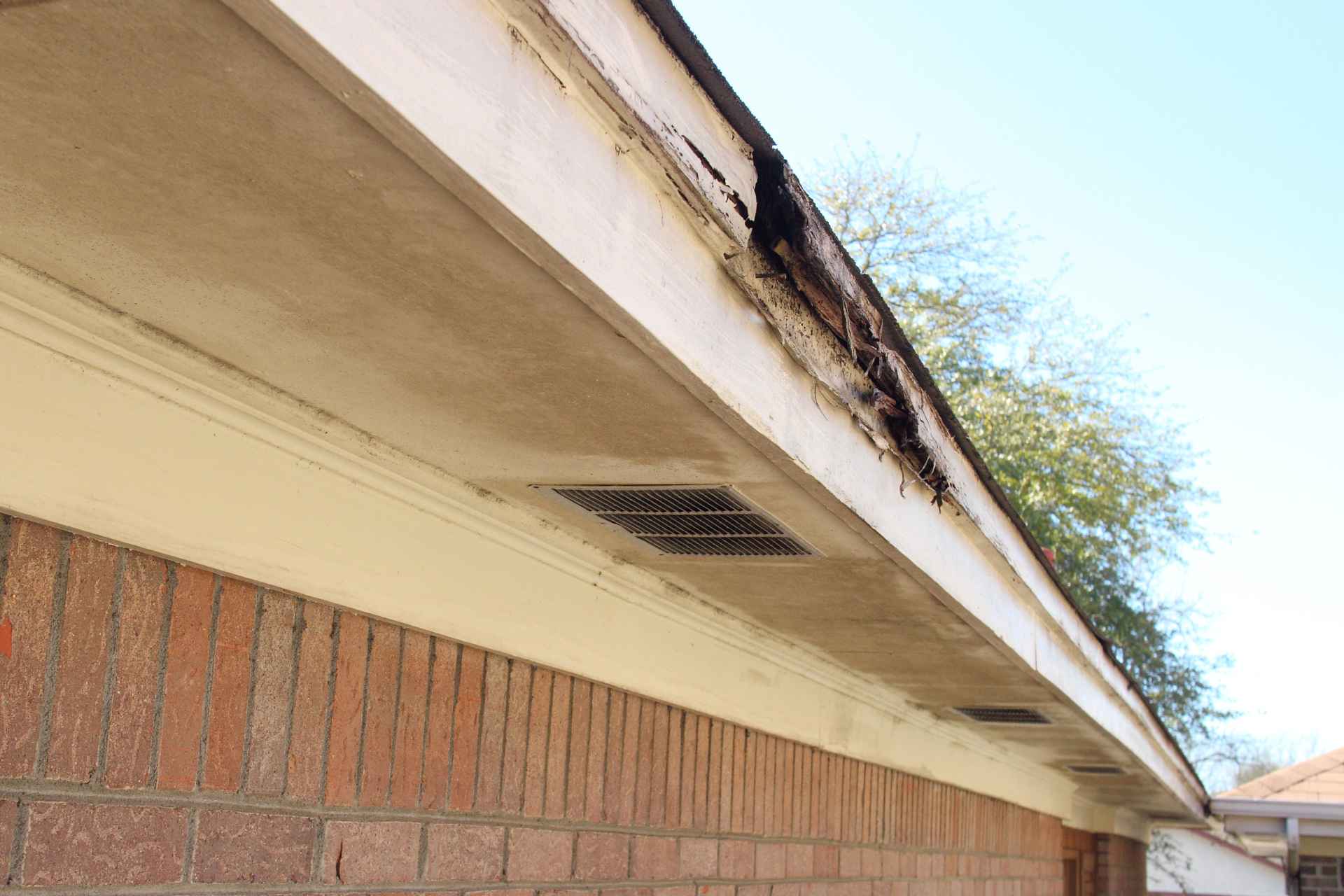
This heavy-duty construction also protects the underlying wood deck from long-term deflection. By resisting moisture intrusion and spreading physical impact forces across a thicker surface plane, laminated shingles help prevent localized wood rot and reduce the risk of structural roof failure over time.
Diagnosing Structural Integrity: Preventing Substrate Failures
Contractors must evaluate the load-bearing health of the underlying roof deck before laying new laminated shingles. Installing heavy dimensional materials over a compromised substrate can lead to severe structural issues over time. Addressing early warning signs of structural sagging—such as bowed rafters or dipping sheathing panels—ensures that your new roof lays completely flat and performs as intended.
A solid, level wood deck provides the necessary anvil backing for dimensional shingles to absorb dynamic kinetic energy. When paired with synthetic underlayments and ice-and-water shield barriers along the eaves, architectural shingles form an impenetrable barrier. This system stops wind-driven rain and meltwater from entering the attic cavity.
The Intersection of Style and Functionality
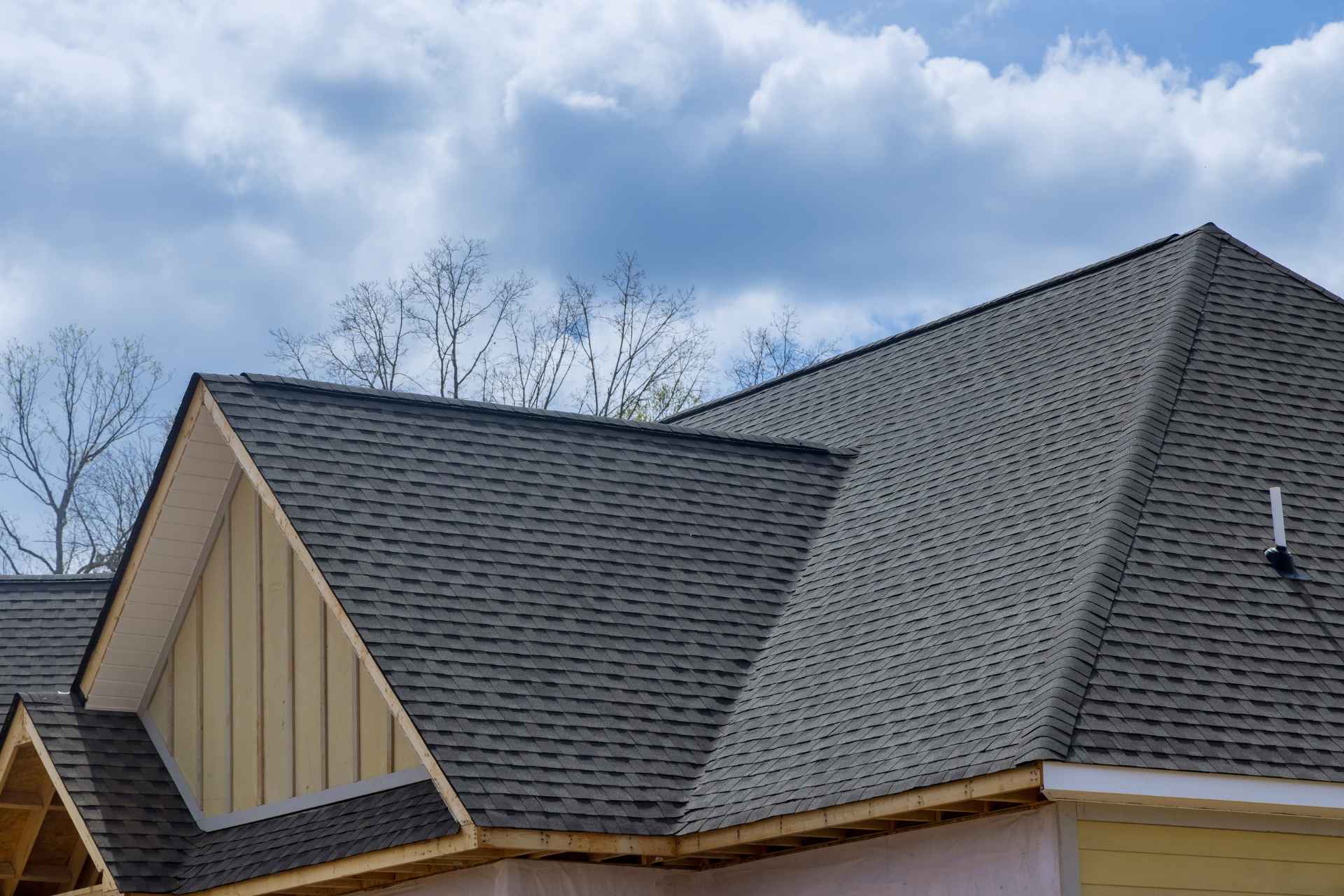
A roof accounts for up to 40% of a home’s visible exterior facade, making material selection a primary factor in overall curb appeal. When evaluating options, choosing the perfect roofing material involves balancing performance specifications, architectural harmony, and long-term maintenance costs. Architectural shingles excel in this regard by offering a rich, textured appearance that mimics high-end natural materials like slate tiles or hand-split cedar shakes.
Advancements in building science allow manufacturers to create customized roofing systems that are both functional and stylish, using varied granule colour blends and shadow bands to achieve realistic depth. This visual flexibility allows homeowners to match their roof profile seamlessly to various architectural house styles:
- Craftsman and Bungalow Homes: Warm, earthy tones with pronounced shadow lines complement prominent gables, exposed wood trim, and stone accents.
- Modern Farmhouse and Colonial Builds: Deep charcoal, slate gray, or black dimensional profiles provide sharp visual contrast against crisp white or neutral siding.
- Victorian and Tudor Residences: Multi-tone blended shingles highlight intricate rooflines, dormers, and steep turret slopes without overwhelming the detailed facade.
Wind Uplift Defence and Thermal Seal Technology
High-velocity windstorms present a major threat to residential shingle performance. When strong wind currents pass over a roof ridge, they create a pressure differential. This pressure generates an uplift force along the lower edges of the shingles. Traditional single-layer shingles often tear at fastener points or peel backward under this strain.
Architectural shingles combat wind uplift using thermally activated sealant strips and reinforced nailing bands. Exposure to initial post-installation sunlight causes these heat-seal adhesives to bond the overlapping dimensional layers into a continuous unit. This reinforced bonding mechanism allows premium laminated shingles to achieve wind resistance ratings up to 130 mph (209 km/h). As a result, the primary weather barrier remains fully intact during severe weather events.
Algae Defence and Solar Granule Performance
Over time, roofs in humid climates often develop dark, unsightly black streaks caused by airborne blue-green algae (Gloeocapsa magma). Beyond ruining your home’s exterior aesthetics, algae growth breaks down asphalt shingle granules and accelerates thermal degradation.
Modern architectural shingles combat this issue by embedding copper-infused granules evenly throughout the ceramic mineral surface. When exposed to rain and humidity, these specialized granules slowly release copper ions across the roof plane, preventing algae spores from taking root. Furthermore, advanced solar-reflective granules help reflect infrared UV rays back into the atmosphere, keeping attic temperatures cooler in the summer and extending the overall life cycle of the asphalt matrix.
Underlayment Synergy and Secondary Barrier Protection
An architectural shingle system is only as strong as its underlying secondary moisture barrier. Laminated shingles serve as the primary water-shedding layer. However, high-performance synthetic underlayments act as an essential second line of defense against wind-driven rain and lateral water migration.
Organic felt paper often absorbs moisture, swells, and tears during installation. In contrast, woven synthetic underlayments provide exceptional tensile strength and water resistance. Contractors install them alongside self-adhering ice-and-water membranes along vulnerable eaves, valleys, and wall intersections. This integrated substrate system guarantees that meltwater backed up by ice dams cannot reach the structural plywood sheathing below.
Curb Appeal and Financial Asset Value
Upgrading to dimensional laminated shingles provides a strong return on investment beyond physical weather protection by transforming the visual impact of your home. Real estate market evaluations consistently demonstrate that a new roof can enhance your home’s curb appeal, instantly signalling to potential buyers that the building envelope is well-maintained and structurally sound.
Furthermore, many premium architectural shingle lines carry Class 4 impact resistance ratings through UL 2218 testing. Achieving a Class 4 rating means the shingle withstands direct impacts from falling ice and hail without cracking the underlying asphalt mat. This verified storm resilience often qualifies homeowners for annual insurance premium discounts, delivering ongoing financial savings alongside long-term structural security.
Evaluating Shingle Options: 3-Tab vs. Architectural vs. Metal
To select the ideal system for your building envelope, review how architectural shingles compare to alternative options:
| Performance & Design Metrics | Traditional 3-Tab Shingles | Architectural Shingles | Standing Seam Metal |
|
Construction
|
Single-Layer Flat Mat | Double-Layer Laminated | High-Tensile Steel/Aluminum |
|
Wind Resistance
|
Up to 60 mph (97 km/h) | Up to 130 mph (209 km/h) | Up to 140+ mph (225+ km/h) |
|
Expected Lifespan
|
12 to 15 Years | 25 to 30+ Years | 50+ Years |
|
Visual Depth & Style
|
Flat, Uniform Grid | Multi-Dimensional Shadow | Clean Architectural Seams |
|
Impact Rating
|
Standard Class 1–2 | Class 3–4 Options Available | Class 4 Maximum Rating |
Engineered Protection for the Modern Home
Architectural shingles represent an ideal balance of durability, aesthetic sophistication, and economic value for residential building envelopes. By eliminating material cutouts, doubling fibreglass mat thickness, and incorporating dimensional shadow lines, these engineered systems provide superior wind and hail protection while dramatically elevating curb appeal. Upgrading to architectural shingles eliminates short repair cycles, protects underlying structural framing, and preserves your home’s equity for decades to come.