At Belmar Roofing, we understand that severe weather can pose significant risks to your home. Preparing your roofing system for extreme conditions is essential to protect your property and ensure the safety of your family.
As weather patterns become increasingly unpredictable, residential properties face an escalating threat from nature’s absolute worst elements. From violent summer microbursts and heavy hailstorms to freezing winter blizzards and high gale-force winds, your roof takes a relentless beating. It acts as the ultimate shield for your household, absorbing the direct impact of every weather event.
However, even the most premium roofing systems cannot protect your home indefinitely if they are exposed to a major storm with hidden structural weaknesses. Proactive storm preparation is the single most effective way to prevent catastrophic interior water damage, protect your hard-earned equity, and avoid expensive emergency repairs. By taking the time to thoroughly evaluate, reinforce, and optimize your entire roof deck today, you transform a potentially vulnerable structure into a fortified, weather-tested stronghold. Here’s a comprehensive guide to help you get your roof ready for any severe weather that comes your way.
Conduct a Thorough Roof Inspection
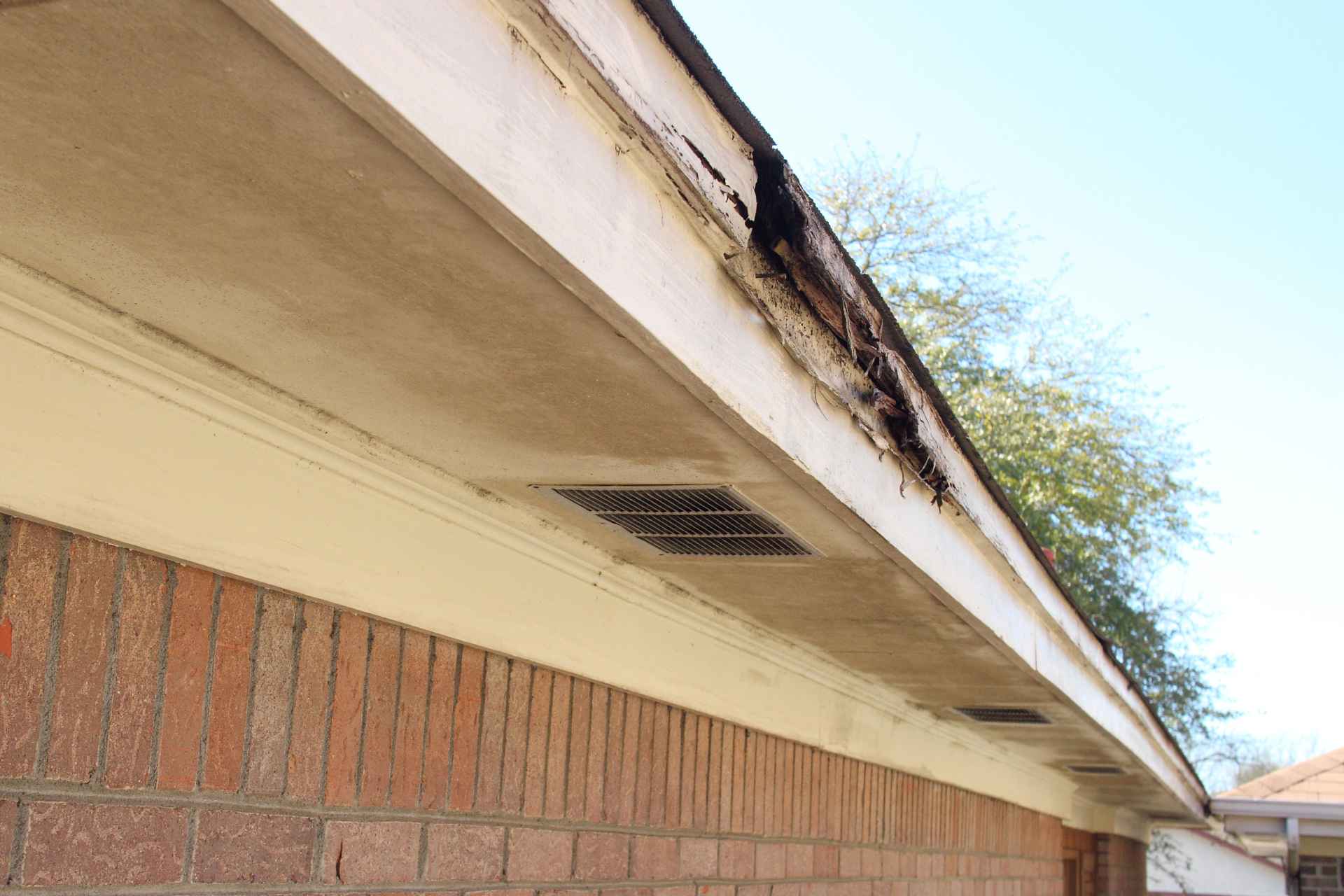
Before severe weather hits, it’s crucial to conduct a thorough inspection of your roof. Look for any signs of damage, such as missing or damaged shingles, cracks, or leaks. If you’re not comfortable doing this yourself, consider hiring a professional from Belmar Roofing to perform a detailed inspection.
A minor, unaddressed flaw on your roof deck can quickly escalate into a structural nightmare when subjected to torrential downpours and high winds. During your inspection, examine your roof from multiple vantage points using binoculars or carefully use a stable ladder to check the surface up close. Pay close attention to the valleys, hips, and ridges, as these high-stress zones are particularly prone to early wear.
Look for shingles that are buckling, curling at the edges, or losing their protective ceramic granules, which leaves the underlying waterproofing asphalt exposed to UV degradation. Inside your home, examine your upper-floor ceilings and attic rafters for subtle water stains, peeling paint, or a damp, musty odour that points to a slow, active leak. Because climbing onto a sloped roof carries inherent safety risks and requires a trained eye, scheduling a professional diagnostic inspection with our certified team guarantees that every microscopic hairline fracture or compromised seal is identified and resolved before the first storm clouds roll in.
Clear Gutters and Downspouts
Clogged gutters and downspouts can cause water to back up and damage your roof. Make sure to clean them regularly to ensure proper drainage. This simple step can prevent water damage and reduce the risk of leaks during heavy rain or snow.
When a severe storm dumps inches of rain over a short period, your roof must shed thousands of gallons of water rapidly. Your gutters and downspouts serve as the primary highway for this massive volume. If this channel is blocked by packed leaves, twigs, pine needles, or accumulated roofing granules, the cascading water has nowhere to go. It quickly backs up over the edge of the gutter line, pooling directly against the wooden fascia boards and seeping beneath the lower edge of your shingles.
This trapped moisture rots the wooden roof deck, destroys your soffits, and eventually drips down into your home’s exterior walls. In the winter, this standing water freezes into heavy ice dams that tear gutters completely away from the home. Ensuring your drainage pathways are completely clear keeps water moving safely away from your roofline and foundation.
Trim Overhanging Branches
Overhanging tree branches can break off during strong winds and cause significant damage to your roof. Trim any branches that are too close to your home to minimize the risk of them falling and damaging your roof during a storm.
While mature trees add beautiful curb appeal and shade to your property, they pose a severe threat during high-wind events. Heavy branches hanging directly over your roofline act like wooden pendulums during a storm. Even if a branch does not snap completely, strong winds can scrape it across your roof surface, scrubbing away vital protective granules and puncturing shingles.
In a worst-case scenario, dead or diseased limbs can snap entirely under the weight of heavy ice or during high winds, crashing through your roof deck and causing catastrophic structural damage. Walk around your property and locate any branches within ten feet of your roofline. Safely pruning these limbs back prevents impact damage and removes a natural bridge that rodents use to access your attic.
Secure Loose Shingles and Flashing
Loose shingles and flashing can be easily torn off during severe weather, leaving your roof vulnerable to water damage. Check for any loose or damaged shingles and flashing, and secure them properly. Replacing missing or damaged shingles can provide an extra layer of protection.
High winds do not attack a roof uniformly; instead, they seek out tiny catch points where they can create aerodynamic lift. A single loose shingle or a slightly raised piece of metal flashing provides the perfect entryway for high winds. Once the wind gets underneath these loose components, it can peel away entire sections of roofing material in a matter of minutes, leaving your raw underlayment exposed to torrential rain.
Examine the metal flashing around your chimney, skylights, dormers, and roof valleys, as these seals are your primary defence against leaks. If the old roofing cement or sealant is cracking and peeling, it must be scraped clean and reapplied. Securing loose edges and replacing missing shingles reinforces your roof’s outer layer, preventing the wind from tearing your system apart piece by piece.
Install Storm Guards
Consider installing storm guards to provide additional protection for your roof. Storm guards can help prevent wind-driven rain and debris from causing damage. Consult with the experts at Belmar Roofing to determine the best storm guard options for your home.
Modern material science has paved the way for advanced, high-performance secondary barriers that provide an elite layer of protection during severe weather. Storm guards typically refer to heavy-duty, self-adhering ice and water shields composed of rubberized asphalt. Contractors install these specialized membranes directly onto the raw plywood roof deck before putting down the final shingles.
This layer is especially critical in vulnerable zones like roof valleys, low-slope sections, and around roof penetrations where water naturally pools. If extreme winds manage to tear away your exterior shingles, this waterproof guard creates an absolute barrier that self-seals around roofing nails, preventing wind-driven rain from entering your living spaces. Our team can evaluate your home’s unique wind and weather exposure to install the ideal protective underlayment layout for your geographical region.
Check Attic Ventilation
Proper attic ventilation is essential for maintaining a healthy roof. It helps prevent moisture buildup, which can lead to mould and rot. Ensure your attic has adequate ventilation and insulation to protect your roof from the inside out.
Many homeowners do not realize that the health of a roof is heavily dependent on the climate inside the attic space. Without proper ventilation, your attic traps massive amounts of heat and humidity generated by daily household activities like showering, cooking, and washing clothes. During severe weather, this trapped moisture condenses on the underside of your wooden roof deck, creating a breeding ground for toxic mould, wood rot, and structural sagging.
In the winter, a superheated attic melts the bottom layer of snow on your roof, driving water down to the cold eaves where it freezes into destructive ice dams. A balanced ventilation system utilizing intake vents under the eaves and exhaust vents along the ridge creates a continuous stream of fresh airflow. This natural regulation keeps your roof deck dry and structurally sound through every season.
Review Your Insurance Coverage
Before severe weather strikes, review your homeowner’s insurance policy to understand what is covered. Make sure your policy includes adequate coverage for roof damage caused by severe weather. This can provide peace of mind and financial protection if your roof sustains damage during a storm.
When a major environmental disaster impacts your neighbourhood, the last thing you want to deal with is a surprise gap in your insurance coverage. Take the time to sit down with your policy documents or speak directly with your insurance agent to clarify your exact terms. Check whether your policy covers the actual cash value (ACV) of your roof, which factors in depreciation based on age, or if it provides full replacement cost value (RCV).
Be sure to ask about specific deductibles for windstorm, hail, or hurricane damage, as these can differ from your standard policy deductible. Keeping a detailed file of your roof’s maintenance history, recent professional inspection reports, and high-resolution photographs of the entire surface provides invaluable, concrete evidence if you ever need to file a storm-damage claim. This preparation speeds up the approval process and ensures you get your home restored quickly.
Conclusion
Preparing your roof for severe weather is crucial to protect your home and ensure the safety of your family. By following these steps, you can minimize the risk of damage and keep your roof in top condition. For professional assistance with roof inspections, repairs, and storm protection, contact Belmar Roofing today.