After a long Canadian winter, most homeowners are eager to put the snow shovels away and embrace the warmer weather. However, for a professional roofing company, this transition period is actually the most critical time of the year. While we often worry about the weight of snow, the true test of a home’s integrity is the spring rainy season.
The freeze-thaw cycles of February and March often expand and contract your roofing materials, creating small gaps in the flashing or loosening the sealant strips that keep your shingles tacked down. As the ice melts and the heavy May deluges begin, these tiny vulnerabilities become highways for water. If you aren’t prepared, a relaxing spring afternoon can quickly turn into a high-stakes race against the elements.
The Quick Edit: Key Takeaways
- The Transition Risk: Winter weakens the bond of your shingles. The first heavy rains of spring are what finally break that bond if the roof isn’t maintained.
- Proactive Defence: Identifying “granule loss” or “curling edges” now can prevent a full-scale attic flood during a June thunderstorm.
- Integrated Drainage: Your roof’s health is tied to your ground drainage. Proper water management protects your shingles and your foundation.
The Domino Effect: Small Issues, Big Bills
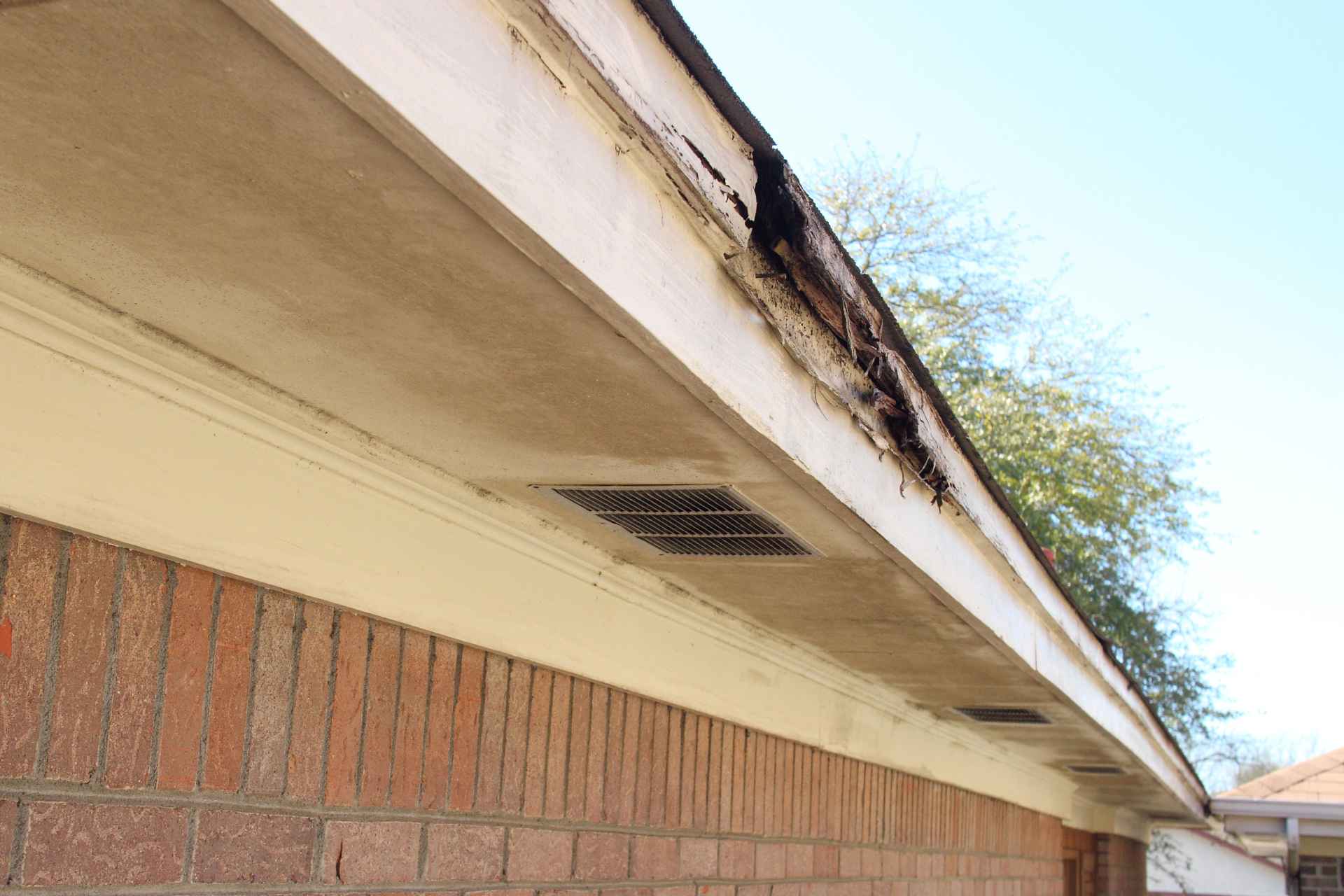
One of the most dangerous myths in homeownership is that a roof only needs attention when a leak is visible in the living room. In reality, small roof issues can easily turn into costly repairs if left to fester through a wet Canadian spring. A single shingle that has lifted during a winter storm might seem insignificant, but it allows water to seep into the underlying plywood.
Over time, this moisture leads to wood rot, mould growth, and compromised attic insulation. By the time you notice a yellow stain on your ceiling, the structural damage is often already extensive. This is why a proactive check-up in April or May is an investment in your bank account. Addressing a minor flashing issue today is significantly cheaper than dealing with a localized structural overhaul tomorrow.
Managing the Flow: Why Catch Basin Cleaning Matters
When we think about roofing, we often stop at the gutters. However, to keep your shingles healthy, you have to consider where that water goes once it leaves the downspout. This is where catch basin cleaning becomes a vital part of your spring maintenance routine. If your property’s drainage basins are clogged with winter debris, silt, or leaves, the water from your roof has nowhere to go.
When a basin overflows, water can back up toward your home. In severe cases, this stagnant water creates a humid environment around the perimeter of your house, which can accelerate the deterioration of the lower courses of shingles and even attract pests. A clear drainage path ensures that the hundreds of gallons of water shed by your roof during a storm are moved safely away from the building.
The Connection: How Roof Runoff Affects Your Property
It is important to understand exactly how roof runoff affects your property as a whole. Your roof is a massive collection surface. During a typical heavy rain, it funnels an incredible volume of water toward your gutters. If your shingle system or drainage setup is failing, that water isn’t just a threat to your attic—it becomes a threat to your entire lot.
Improperly directed runoff can lead to soil erosion, ruined landscaping, and “pooling” near the base of your home. This water pressure against the side of the house is often the primary culprit behind basement dampness. By ensuring your shingles are shedding water correctly into a functional gutter system, you are managing the hydration of your entire property, not just the top of your house.
Protecting Your Foundation
The relationship between your shingles and your ground-level structure is closer than you might think. When roof water isn’t managed—either because of damaged shingles or clogged gutters—it dumps directly next to your home’s base. This saturated soil exerts “hydrostatic pressure” against the concrete, which is the leading cause of foundation cracks.
Over time, these cracks allow moisture to seep into your basement, leading to expensive waterproofing needs. A healthy shingle roof serves as the first line of defence for your foundation. By catching and directing water away through a well-maintained system, you are keeping the soil around your home stable and dry. It’s a perfect example of how one home system relies on the other to function properly.
Avoiding a Premature Roof Replacement
The ultimate goal of spring maintenance is to avoid the dreaded premature roof replacement. Asphalt shingles are designed to last 20 to 25 years in the Canadian climate, but that lifespan is entirely dependent on care. When debris is allowed to sit in valleys or when small leaks are ignored, the roof deck rots from the inside out.
Once the structural wood is compromised, a simple shingle “re-cap” is no longer an option. You are then looking at a full-scale “tear-off” and deck replacement, which can double your costs. By staying vigilant during the transition into the rainy season, you ensure you get every year of value out of your current shingles. You stop being a reactive homeowner and start being a strategic one.
Preparing for the Clouds
As the Canadian landscape turns green, don’t let your guard down. The transition from a frozen winter to a humid, rainy spring is a delicate time for any structure. A little bit of effort in May goes a long way in ensuring your home remains a sanctuary rather than a source of stress.
Take the time to walk around your property. Look for signs of shingle wear, ensure your gutters are clear, and don’t forget the importance of ground-level drainage. When you understand that your roof is part of a larger ecosystem—from the peak of the house to the drainage basins in the yard—you can protect your investment more effectively. Don’t wait for the first puddle on the floor or the first crack in the basement. Protect your home today and stay dry all season long.