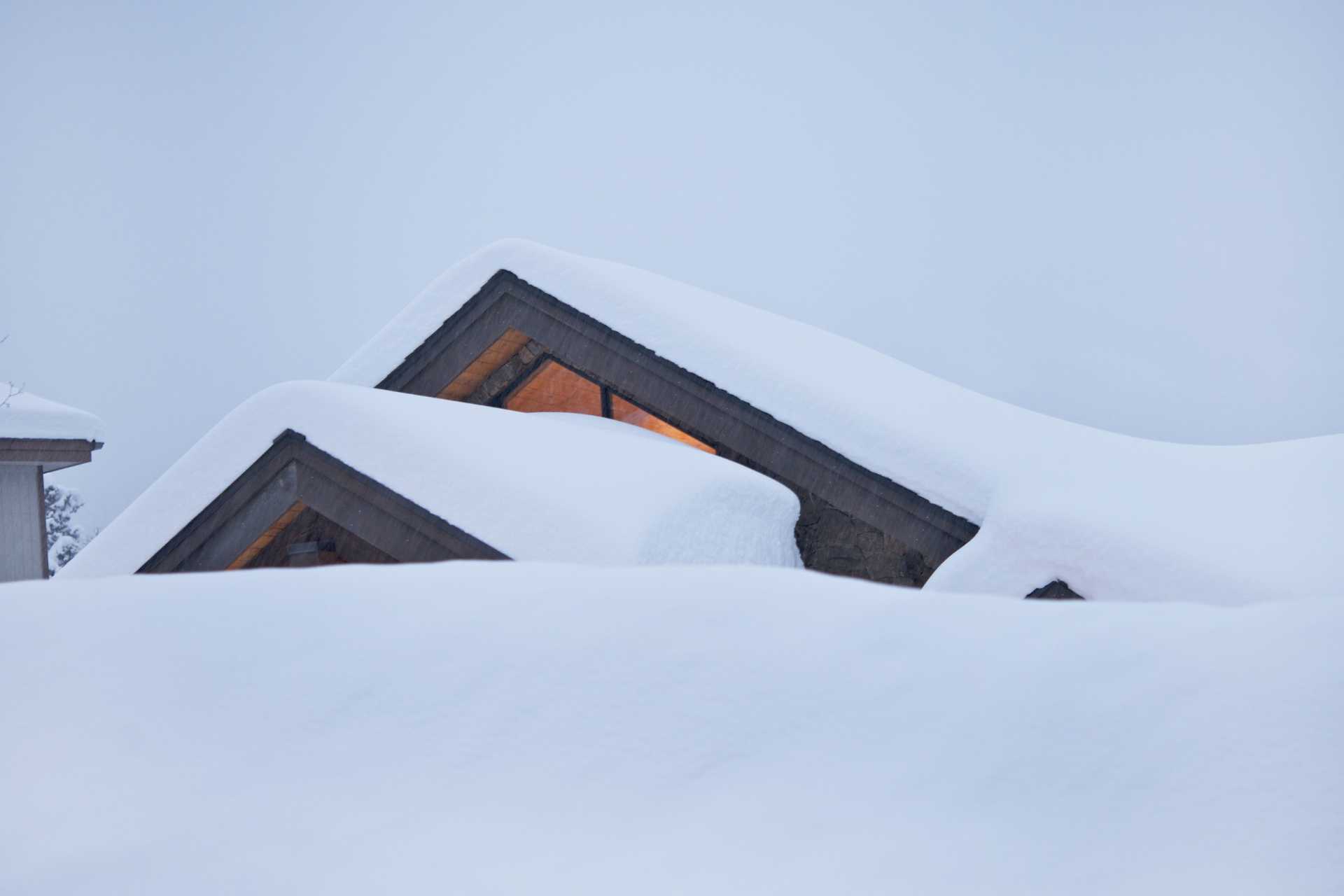
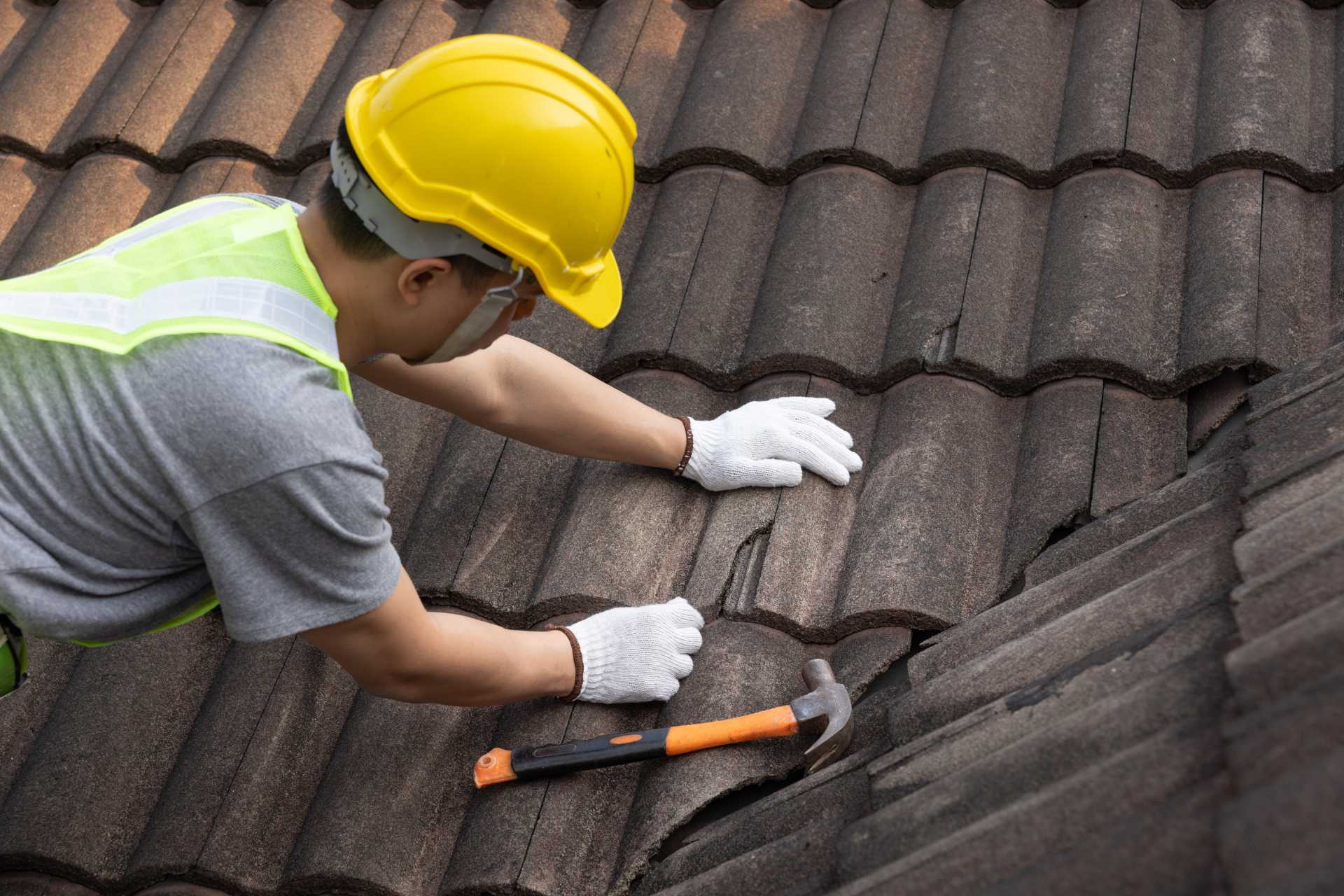
During winter, homeowners often focus intently on interior comfort. Adjusting window coverings to retain every bit of warmth becomes a daily ritual. Yet, above them, a far more insidious and quieter form of damage continuously unfolds on the roof. This damage is often invisible until a catastrophic leak forces attention upward. The culprit is the relentless series of freeze-thaw cycles common to Canadian winters.
This article explains how these repeated cycles allow moisture to penetrate roofing materials. This moisture then expands as it freezes, gradually weakening shingles, flashing, and sealants. This process accelerates on older roofs. Even minor surface issues can escalate into significant leaks after repeated cycles. Understanding these patterns reveals much about a roof’s remaining lifespan. By breaking down the science behind freeze-thaw damage, homeowners can grasp why winter wear is cumulative, often invisible at first, and critical to address proactively before it leads to costly repairs. Engaging a professional roofing company for regular assessments is a proactive measure.
The Science of Expansion: Nature’s Hydraulic Jack
The destructive power of freeze-thaw cycles stems from a fundamental scientific principle: water expands when it freezes. This volumetric expansion is significant, as water increases its volume by approximately 9% when it turns into ice. When water penetrates minuscule cracks or pores in roofing materials—such as asphalt shingles, mortar joints on chimneys, or gaps in flashing—and then freezes, this expansion exerts immense pressure. It acts like a powerful hydraulic jack, slowly prying apart even the most robust materials.
This process is exacerbated by capillary action. During the “thaw” phase, liquid water travels into microscopic cracks and pores in shingles and flashing. It is drawn in by the material’s inherent properties. When temperatures drop below freezing again, this absorbed water turns to ice, expanding and forcing those tiny fissures to grow larger. Each subsequent freeze-thaw cycle widens these channels, allowing more water to penetrate deeper into the roofing components, accelerating the degradation process and compromising the roof’s integrity layer by layer.
Mechanical Fatigue: How Shingles and Flashings Fail
Repeated freeze-thaw cycles directly contribute to the mechanical fatigue of asphalt shingles. These cycles cause the materials to repeatedly expand and contract. This relentless movement “loosens” the protective mineral granules that are embedded in the shingle’s surface. These granules are not just for aesthetics; they provide critical UV protection to the underlying asphalt. As granules shed, the exposed asphalt bitumen becomes vulnerable to the sun’s harsh ultraviolet rays, accelerating its drying, cracking, and eventual breakdown.
Flashing and sealant breaches are also a common consequence. Roofing systems are composed of various materials, such as metal flashing, asphalt shingles, and sealants, all of which expand and contract at different rates. This differential movement creates shear stress at their junctures. Over many freeze-thaw cycles, this stress causes caulking and sealants to crack, peel, and eventually pull apart. These compromised seals create direct pathways for water intrusion. What might appear as a minor crack after a cold snap can become a significant leak during the next thaw or spring rain.
The “Older Roof” Vulnerability: Why Age Matters
As roofing materials age, they naturally lose the inherent elasticity and vital oils that allow them to flex with temperature changes. Newer shingles are more resilient and can absorb the stress of repeated expansion and contraction without immediate damage. However, an older, “stiff” roof is far more susceptible to cracking and splitting under the relentless pressure of freezing water. The protective layers become brittle, offering little resistance to the expansive force of ice.
The progression from minor surface issues to structural leaks is a typical scenario on aging roofs. A tiny, almost invisible crack on a shingle might be harmless in summer. However, after several winters of water seeping into that crack and repeatedly freezing, it can easily propagate through the entire shingle. This creates a full-thickness breach that allows water to penetrate the roof underlayment and eventually the roof deck itself. Homeowners often face “sudden” leaks in spring, which are usually the culmination of accumulated winter freeze-thaw damage finally breaking through.
Assessing Remaining Lifespan: What the Patterns Reveal
Identifying the signs of freeze-thaw damage early is crucial for extending a roof’s lifespan. After winter, homeowners should look for visual clues such as “cupping” or “curling” shingles, where the edges lift or buckle. Cracked chimney flashing or damaged vent pipe boots are also clear indicators of stress. Another tell-tale sign is excessive mineral granules accumulating in the gutters, which indicates significant erosion of the shingle’s protective layer.
A professional spring roof inspection is therefore invaluable. While some damage might be visible from the ground, many critical issues remain hidden. A qualified inspector can identify subtle points of material fatigue, compromised sealants, or early signs of water penetration that are invisible to the untrained eye. Catching these “invisible” winter wear issues before the heavy rains of spring arrive can prevent them from turning into costly, catastrophic leaks. This proactive approach is a vital component of any comprehensive roof inspection checklist.
Strategic Material Selection for Resilience
When choosing the perfect roofing material for a cold climate, resistance to freeze-thaw cycles is a critical factor. Materials vary widely in their ability to withstand these stresses. Modern asphalt shingles are designed with enhanced flexibility and granule adhesion to better resist temperature fluctuations. Other options, like metal roofing, offer exceptional resistance to freeze-thaw as their interlocking panels and inherent durability can accommodate expansion and contraction without compromise.
Underlayments also play a vital role in freeze-thaw protection. Ice and water shield membranes, installed directly to the roof deck, offer an extra layer of waterproofing in vulnerable areas. These self-adhering membranes seal around fasteners, preventing water penetration even if the primary roofing material is compromised. A multi-layered approach, combining resilient surface materials with robust underlayments, provides the best defence against the long-term destructive forces of winter.
Don’t Let Winter’s Tug-of-War Win!
Winter wear on a roof is cumulative, and freeze-thaw cycles are a mechanical reality of cold-climate homeownership. The silent expansion of freezing water constantly challenges the integrity of roofing materials. Homeowners must be proactive in their maintenance to extend the roof’s lifespan and avoid the “sudden” leaks that often occur when accumulated winter damage finally breaks through. Regular inspections and timely repairs are the best defence against this persistent natural threat, ensuring the roof remains a strong, reliable shield for the home.