Winter is the most punishing season for roofing systems in Canada, yet the damage it causes rarely reveals itself immediately. Snow accumulation, ice formation, and prolonged moisture exposure slowly compromise roofing materials, often without triggering obvious leaks. Because deterioration happens incrementally, many homeowners do not associate springtime stains or drafts with winter stress.
By the time a roofing company is contacted, the visible symptoms are usually the final stage of a longer process. Rising heating costs, inconsistent indoor temperatures, or even an unexpected need for furnace repair can all point to heat loss caused by a compromised roof and insulation system. Understanding how winter damage develops—and what signs to watch for—allows homeowners to act before small issues escalate into costly repairs.
- Why Winter Is So Hard on Roofing Systems
- Exterior Signs Your Roof Took Winter Damage
- Interior Warning Signs You Shouldn’t Ignore
- How Ice Dams and Snowmelt Cause Hidden Damage
- Why Post-Winter Inspections Matter More Than Most Homeowners Think
- What to Do Next If You Suspect Winter Roof Damage
- Winter Damage Doesn’t Fix Itself
Why Winter Is So Hard on Roofing Systems
Canadian winters place roofing systems under prolonged, layered stress rather than short, isolated events. Snow accumulates and remains on roof surfaces for weeks or even months, applying continuous weight that roofing materials must support without relief. At the same time, limited sunlight and low temperatures prevent moisture from evaporating, allowing water to linger on and beneath roofing components far longer than in warmer seasons.
This environment creates ideal conditions for expansion and contraction damage. As temperatures fluctuate above and below freezing, moisture trapped in small gaps repeatedly freezes and expands, then thaws and recedes. Over time, these movements weaken fasteners, loosen seals, and widen existing imperfections, which explains why freeze-thaw cycles significantly damage your roof even when materials appear intact from the surface. By the end of winter, many roofs have absorbed cumulative stress that only becomes visible once conditions improve.
Exterior Signs Your Roof Took Winter Damage
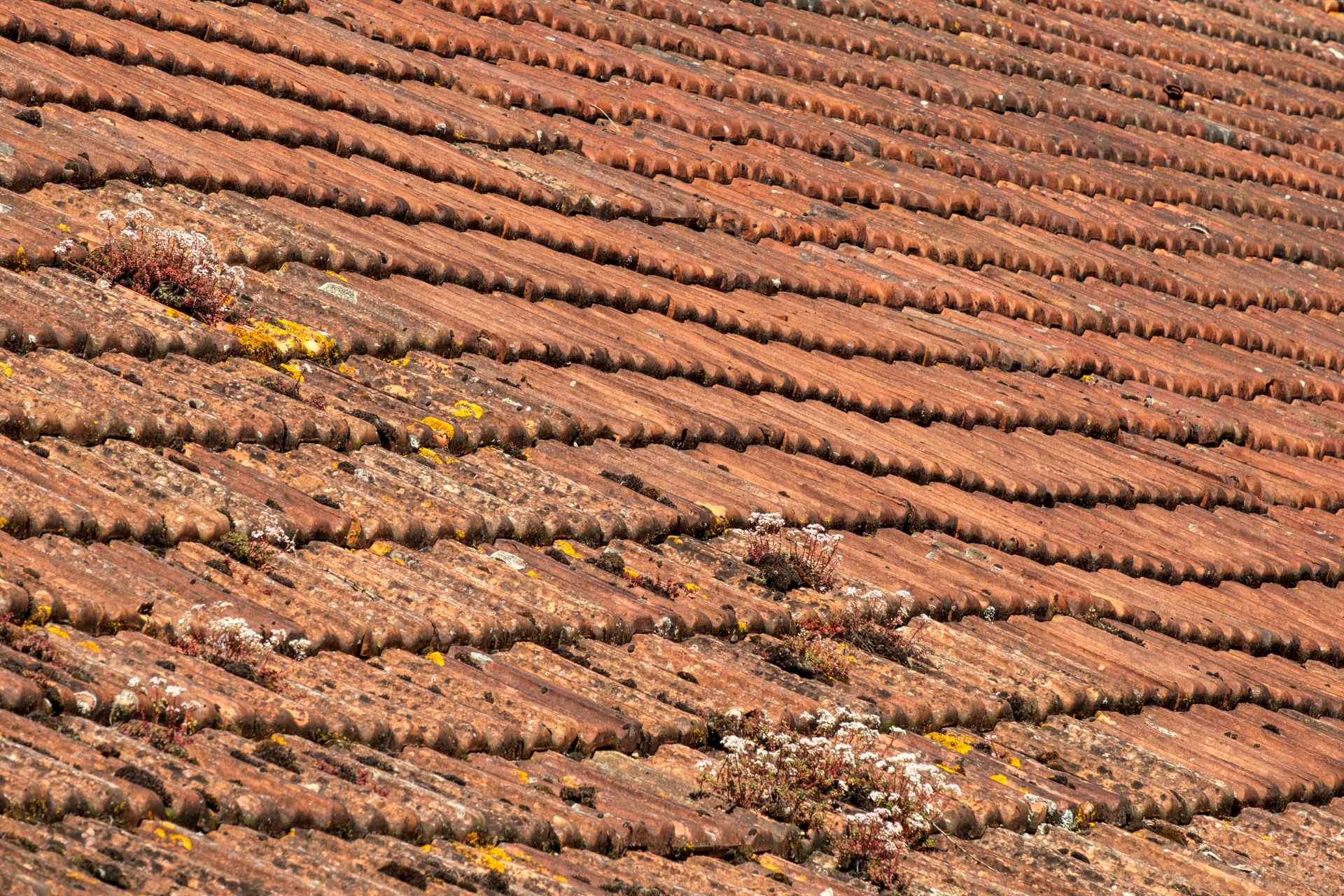
Exterior roof damage after winter is often subtle and easy to miss without intentional inspection. Shingles that appear slightly lifted, curled at the edges, or uneven may indicate that freezing temperatures weakened adhesive bonds. Even when shingles remain in place, these changes reduce their ability to seal tightly against wind-driven rain and snowmelt, increasing vulnerability during spring.
Flashing around chimneys, vents, skylights, and roof edges is particularly susceptible to winter stress. Snow and ice tend to collect in these transition areas, applying sustained pressure and exposing seals to repeated movement. Granule loss is another important indicator. Finding granules in gutters or near downspouts suggests accelerated surface wear that can shorten the roof’s lifespan if left unaddressed.
Interior Warning Signs You Shouldn’t Ignore
Interior signs of winter roof damage often appear weeks or months after snow has melted, which makes them easy to misinterpret. Ceiling stains, peeling paint, or bubbling drywall frequently emerge during spring rains, even though moisture intrusion may have occurred during winter thaw cycles. These symptoms indicate that water has already travelled through the roof layers and into interior spaces.
Attics often reveal problems earlier than living areas. Damp or compacted insulation, visible frost during cold mornings, or darkened wood surfaces point to heat and moisture escaping into the roof structure. Drafts, uneven room temperatures, and rising heating costs further suggest compromised insulation or ventilation, forcing heating systems to work harder to maintain comfort.
How Ice Dams and Snowmelt Cause Hidden Damage
Ice dams form when heat escaping from the home warms the upper portion of the roof, melting accumulated snow. As this water flows downward, it reaches colder areas near the eaves and refreezes, creating a ridge of ice that blocks proper drainage. Once this barrier forms, additional meltwater has nowhere to go and is forced back under shingles, bypassing the roof’s intended water-shedding system.
What makes ice dams particularly damaging is that the resulting moisture intrusion often remains hidden. Water that enters the roof assembly can soak insulation, decking, and framing without immediately reaching interior surfaces. Even after snow and ice have melted away, trapped moisture continues to migrate through roof layers, weakening materials over time. This delayed movement explains why leaks, mould, or insulation damage frequently appear weeks or months after winter has ended, long after the original cause is no longer visible.
Why Post-Winter Inspections Matter More Than Most Homeowners Think
Post-winter inspections are critical because most winter-related roof damage remains hidden until snow and ice clear. Cracks, lifted shingles, and flashing separations are often concealed beneath snow cover, making them impossible to detect during colder months. Once temperatures rise, materials dry and settle, revealing the true condition of the roof after months of stress.
Timing is equally important from a prevention standpoint. Identifying damage in early spring allows repairs to be completed before heavy seasonal rains arrive, reducing the risk of water intrusion. Post-winter inspections also provide an opportunity to winter-prep your roof for the next cold season by correcting vulnerabilities early, rather than relying on temporary fixes when winter conditions return.
What to Do Next If You Suspect Winter Roof Damage
When winter roof damage is suspected, it is important to look for patterns rather than isolated symptoms. Repeated staining, persistent drafts, or ongoing attic moisture usually indicate a systemic issue rather than a one-time event. Tracking how these signs change over time helps determine whether damage is stable or worsening.
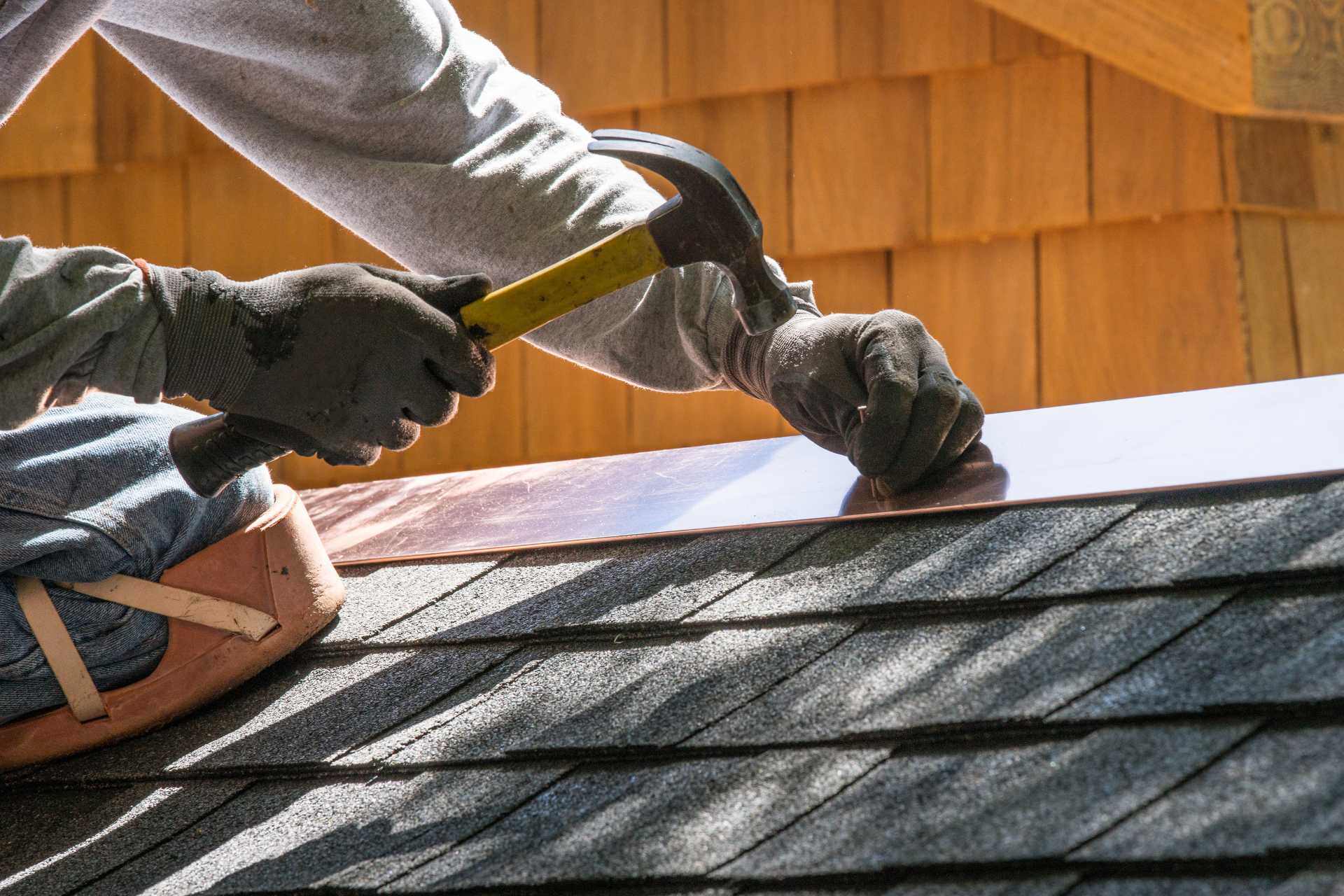
Professional assessment is critical at this stage, as many winter-related issues are hidden beneath surface materials. A thorough inspection can identify compromised shingles, flashing failures, ventilation problems, or moisture intrusion before they escalate further. Preventive steps should also include drainage management, as gutter maintenance is necessary to control snowmelt and spring rain and reduce the risk of repeat damage.
Winter Damage Doesn’t Fix Itself
Winter roof damage rarely resolves on its own. Snow, ice, and moisture exploit small weaknesses until those weaknesses become structural problems. Waiting for obvious leaks often means repairs are already extensive, disruptive, and expensive.
Awareness and early action are the most effective forms of protection. Recognizing post-winter warning signs and responding promptly preserves roofing performance, protects indoor comfort, and controls long-term costs. In Canadian climates, seasonal vigilance is not optional—it is essential.