Roofing problems almost never begin as emergencies. In most cases, deterioration starts quietly, hidden beneath shingles, flashing, or underlayment, while daily exposure to sun, wind, rain, and snow slowly degrades the roof’s protective layers. Because this process is gradual and often invisible, homeowners rarely feel a sense of urgency until the damage has already progressed.
This is why many homeowners only reach out to a roofing company after water stains appear indoors or leaks disrupt daily life. By that stage, moisture has often been present for an extended period, spreading beyond the original area of concern. Even external issues that seem unrelated—such as neglected drainage systems or skipped catch basin cleaning—can contribute to excess moisture and worsen roof deterioration. Understanding how minor issues escalate is critical to preventing expensive, disruptive repairs.
- Why Roof Damage Rarely Starts as an Emergency
- The Small Roof Issues Homeowners Commonly Ignore
- How Water Turns Minor Roof Problems Into Structural Damage
- Why Canadian Weather Makes Ignored Issues Worse
- When Small Repairs Snowball Into Costly Projects
- Why DIY Fixes Often Make Roof Damage Worse
- How Preventive Care Changes the Cost Equation
- Small Roof Problems Are a Choice Point
Why Roof Damage Rarely Starts as an Emergency
Roofing systems are intentionally designed to degrade slowly rather than fail all at once. Shingles, membranes, and flashing lose flexibility over time as they are exposed to ultraviolet radiation, temperature swings, and repeated moisture contact. This gradual breakdown allows the roof to continue functioning on the surface, even while critical protective layers underneath are beginning to weaken. Because the roof does not immediately leak or collapse, homeowners often assume it is still performing as intended.
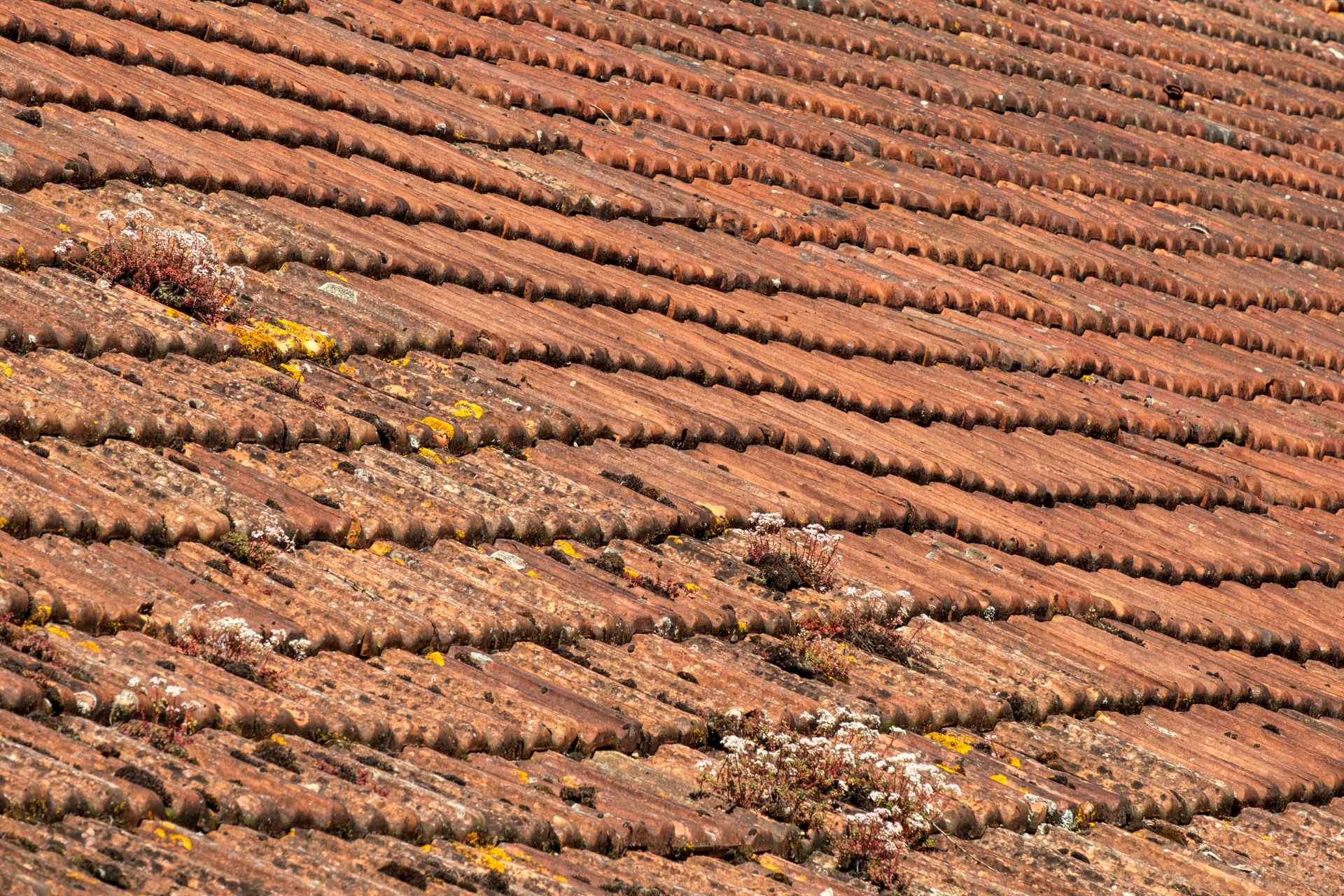
Early-stage damage is also difficult to detect without close inspection. Small separations in flashing, weakened sealants, or loosened fasteners may allow moisture intrusion without creating visible interior symptoms. Water can remain trapped within roof assemblies for months or even years, slowly degrading decking and insulation. By the time water stains or leaks appear inside the home, the damage is rarely new—it is simply the first visible sign of a long-developing problem.
The Small Roof Issues Homeowners Commonly Ignore
Many of the issues that lead to costly roof repairs begin as changes that feel minor or cosmetic. Slight shingle lifting, curling edges, or isolated granule loss often blend into the roof’s overall appearance, especially when viewed from the ground. These changes are frequently dismissed as normal aging rather than early indicators of reduced water-shedding ability. Homeowners may also delay action because these issues do not immediately affect comfort or daily routines.
Flashing movement and seal degradation are particularly easy to overlook. Flashing sits at roof transitions where materials meet, making it one of the most vulnerable components of the system. When flashing begins to pull away or seals dry out, water gains a direct path beneath the roofing surface. These entry points allow moisture to bypass protective layers, meaning damage can spread well beyond the original defect before any symptoms become noticeable.
How Water Turns Minor Roof Problems Into Structural Damage
Water is the primary force that transforms minor roof issues into major repair projects. Once moisture penetrates the surface, it rarely stays localized. Capillary action allows water to travel horizontally along the roof decking, while gravity pulls it downward into insulation and framing.
Wet insulation loses its ability to regulate temperature, leading to heat loss, cold spots, and higher energy costs. Prolonged moisture exposure causes wood rot, weakens fasteners, and creates conditions favourable for mould growth. At this stage, damage extends beyond roofing materials and begins affecting the structural components of the home.
Why Canadian Weather Makes Ignored Issues Worse
Canadian weather dramatically accelerates roof deterioration when small issues are left unaddressed. Freeze–thaw cycles force trapped moisture to expand and contract repeatedly, widening cracks and breaking down materials from within. Each cycle worsens existing weaknesses.
Snow accumulation adds sustained weight to already stressed roof sections. During the spring thaw, melting snow produces large volumes of water that must be redirected efficiently. When drainage paths are compromised, excess roof runoff can be forced back under shingles or into flashing joints, compounding damage that began months earlier.
When Small Repairs Snowball Into Costly Projects
Small roof repairs become costly projects when underlying damage is allowed to progress beyond the surface materials. Once moisture reaches the roof decking or framing, simple fixes like replacing shingles or resealing flashing are no longer enough. Structural components must be assessed and often repaired or replaced, which significantly increases labour time, material requirements, and overall project scope. At this stage, repairs shift from maintenance to restoration.
Delays also reduce flexibility in how the problem can be addressed. Early intervention allows for targeted repairs that isolate the issue, while prolonged neglect forces broader sections of the roof to be opened to locate and correct hidden damage. Interior finishes may also be affected as moisture migrates downward, leading to drywall repairs, insulation replacement, and potential mould remediation. What started as a manageable repair quickly becomes a multi-trade project, multiplying costs and disruption.
Why DIY Fixes Often Make Roof Damage Worse
DIY roof repairs often focus on stopping visible symptoms rather than addressing underlying causes. Temporary sealants, roof cement, or incompatible materials may provide short-term relief but degrade quickly under UV exposure and temperature changes. These fixes often trap moisture beneath the surface, accelerating deterioration.
Improper repairs can also disrupt airflow and drainage, two systems critical to roof performance. Altered ventilation increases moisture retention, while blocked drainage paths increase water exposure. Without a system-level understanding, DIY solutions frequently worsen long-term damage and complicate future professional repairs.
How Preventive Care Changes the Cost Equation
Preventive roof care fundamentally shifts roofing from emergency response to planned maintenance. Regular roof inspections identify early-stage defects before moisture infiltration occurs, allowing repairs to remain small and predictable. This proactive approach preserves both materials and structural components.
More importantly, proper maintenance can prolong the lifespan of your roof by preserving flexibility, sealing integrity, and drainage efficiency. Clearing debris, maintaining drainage systems, and correcting minor defects reduce cumulative stress. Prevention transforms roofing from a reactive expense into a controlled, long-term investment.
Small Roof Problems Are a Choice Point
Small roof issues are not harmless inconveniences; they are early decision points. Ignoring them allows water, weather, and time to magnify damage until repairs become unavoidable and expensive. Acting early preserves options, limits scope, and protects the rest of the home.
Roof longevity is not determined by materials alone but by attention and timing. When minor issues are addressed promptly, roofs consistently outperform their expected lifespan. In roofing, prevention is not just maintenance—it is long-term financial protection.